
Showing 1–20 of 108 resultsSorted by popularity
Filter
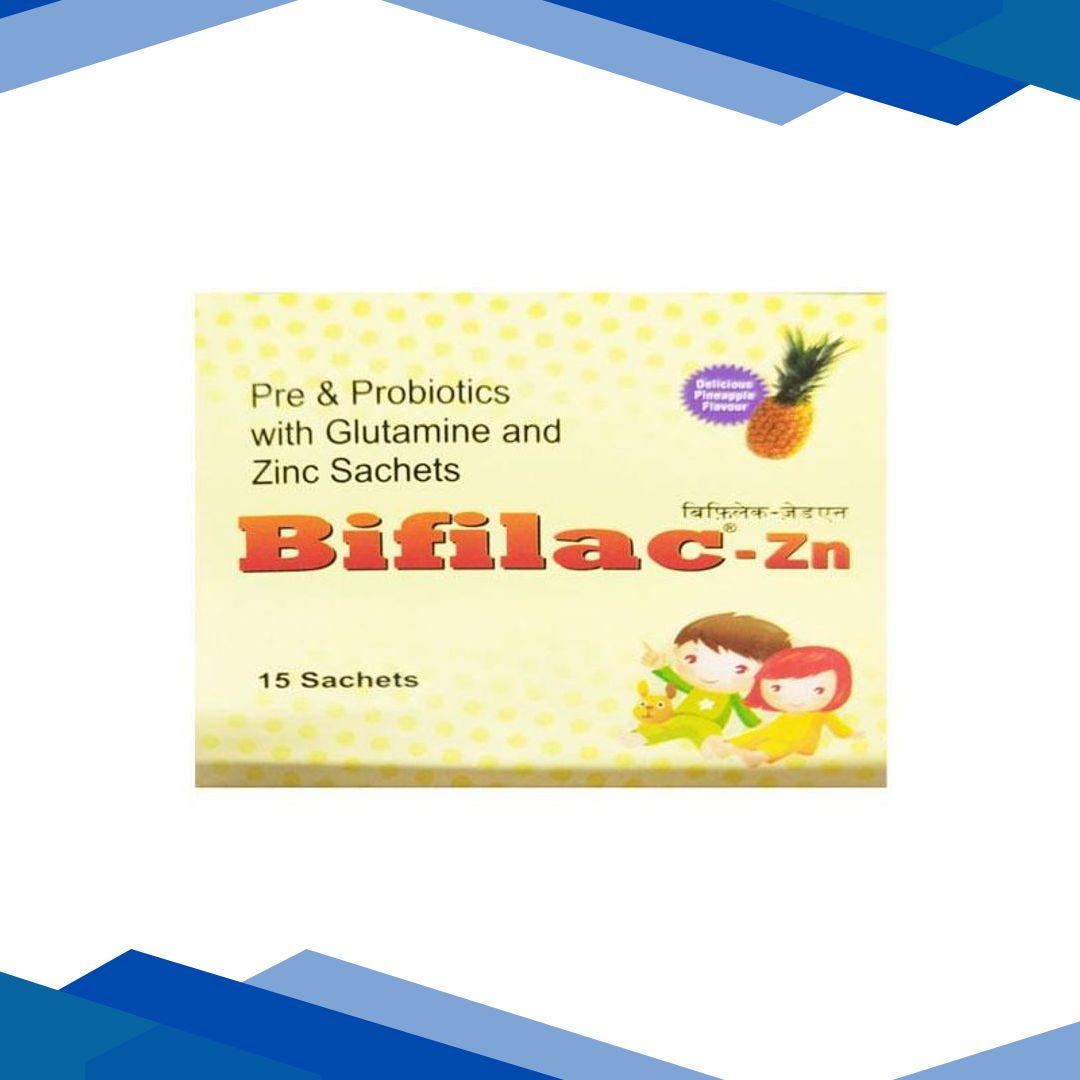
Bifilac ZN Delicious Pineapple Flavour 1gm Powder 15’S
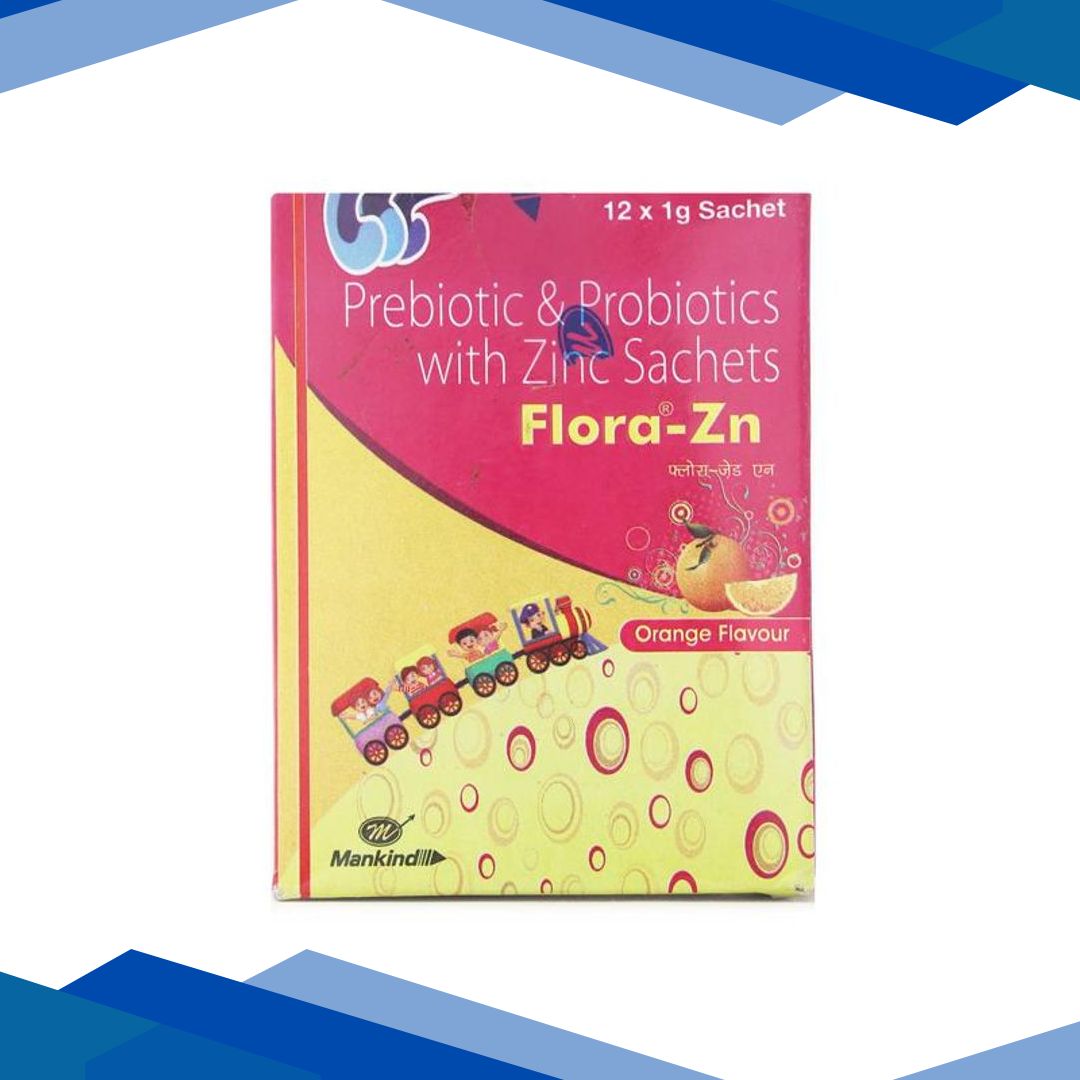
FLORA ZN ORANGE FLAVOUR Sachet 1gm
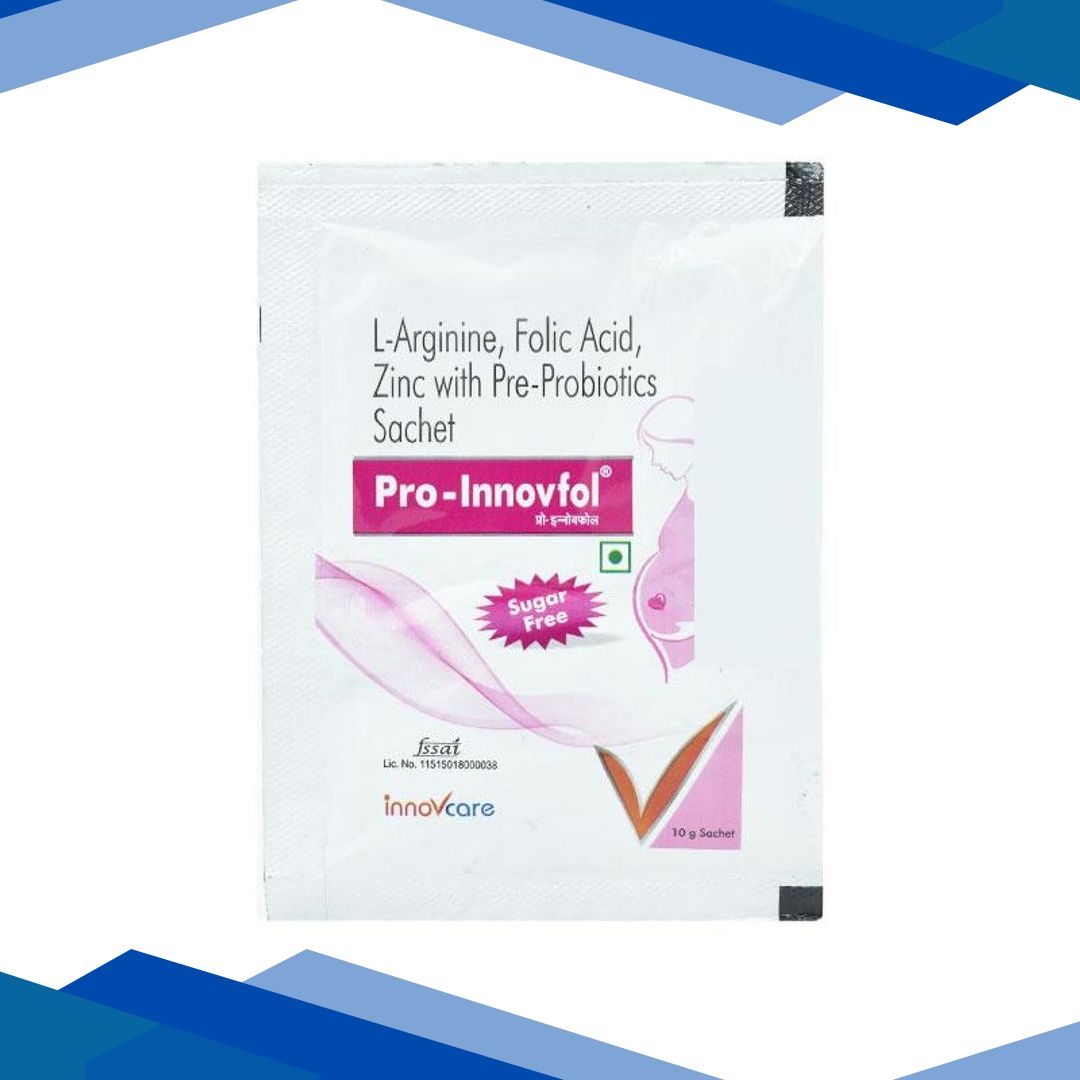
PRO INNOVFOL SUGAR FREE Sachet 10gm
Professional Medical Content Writing Perspective
For creating a professional and genuine medical resource as 1mg or Netmeds, content should give priority to bioavailability, dosing transparency, and professional advice. There is an interviewer’s perspective on the textual content, covering medical phrases such as “elemental,” “phytates,” and “IOP” and the conversational “Expert Advice” segment, which, while preserving the text with a down-to-earth way, provides high utility.
Elemental Zinc (Essential Micronutrient)
Common Forms: Zinc Gluconate, Zinc Sulfate, Zinc Citrate
Category: Nutritional Supplement | Immunity Booster
Product Overview
Zinc is an essential trace mineral required for the activity of over 300 enzymes in the human body. Because the body does not fit in zinc more than its needs, regular consumption is of paramount importance.
Elemental zinc is the quantity of the mineral actually absorbed by the body, therefore it concerns only the absorbed portion from a present zinc salt such as gluconate or sulfate. It is of paramount importance to DNA synthesis, immune cell production, protein synthesis, and wound healing.
Key Benefits & Medical Uses
- Immune System Support: Zinc is necessary for the well-being and functioning of T-lymphocytes (immune cells). It is often used to relieve the severity and duration displayed by common cold episodes.
- Dermatological Health: These attributes include collagen formation and skin replenishment. Therefore, zinc is used to halt acne growth and for the treatment of slow-healing wounds or skin ulcers.
- Management of Diarrhea: Zinc is recommended by the WHO/UNICEF for children in particular to manage dehydration and electrolyte balance, then decrease severity and duration of acute diarrhea.
- A large number of studies in pediatric and adult populations draw attention to zinc as an acquired immune deficiency. Perhaps even for fine tuning one benefit, immune enhancement should be an intermixing of further answers.
- Reproductive Health: Zinc is all-important for testosterone production and sperm quality in men and for fetal organ growth and development during pregnancy.
Expert Advice: How to Maximize Benefits
- The “Empty Stomach” Balance: For maximum absorption, take zinc 1 hour before or 2 hours after meals. However, if you experience stomach upset, it is perfectly fine to take it with a light, non-dairy meal.
- Avoid the “Zinc-Iron” Clash: Do not take high-dose iron supplements at the exact same time as Zinc. Iron competes for the same absorption pathways, which can make your zinc less effective.
- Our Well-Wishers: Whole grains and legumes bind to zinc by phytates, which is known to hinder absorption. It is suggested that you create a considerable gap between zinc intake and high-fiber meal.
- Antacid Warning: Antacids should not be taken with zinc within 2 hours, as they decrease the stomach acid that helps break it down.
Potential Side Effects
While safe when taken within the Recommended Dietary Allowance (RDA), high doses may cause:
- Metallic Taste: A temporary lingering “copper” or metallic taste in the mouth.
- Gastrointestinal Distress: Nausea, vomiting, or abdominal cramps (more common with Zinc Sulfate).
- Copper Deficiency: Long-term high-dose zinc (over 40mg daily) can interfere with copper absorption, leading to anemia or neurological issues.
Safety Quick-Check
| Feature | Safety Profile | Recommendation |
|---|---|---|
| Alcohol | Caution | Excessive alcohol use reduces the body’s ability to absorb and utilize zinc. |
| Pregnancy | Safe | Critical for fetal growth; however, do not exceed the UL (Upper Limit) of 40mg/day. |
| Kidney Disease | Caution | Individuals with chronic kidney disease (CKD) should consult a doctor as they may require specific dosing. |
| Driving | Safe | Does not affect focus or motor skills. |
Frequently Asked Questions (FAQs)
1. What is the difference between “Zinc Gluconate” and “Elemental Zinc”?
When you see a label that says “Zinc Gluconate 50mg,” it doesn’t mean you are getting 50mg of zinc. Zinc Gluconate is a compound. The “Elemental” amount is the actual weight of the zinc alone (usually about 14% for gluconate). Always verify the “Supplement Facts” panel for the Elemental Zinc value to ensure that you are not under-dosing or over-dosing.
2. Can I take Zinc every day for a long time?
For general health, daily doses within the RDA (8–11mg) are safe. However, taking high doses (50mg+) daily for more than two weeks should only be done under medical supervision, as it can lead to copper deficiency.
3. Does Zinc help with hair loss?
Yes, if the hair loss is caused by a zinc deficiency. Zinc plays a crucial role in the growth and repair of hair tissue and aids the proper functioning of the oil glands around the follicles. Adding more zinc once your zinc levels are normal might not help in producing more hair growth.
4. Why does my Zinc supplement make me feel nauseous?
Zinc has exceptional reactivity when taken on an empty stomach. When taken on an empty stomach, the feeling referred to as “queasy” is particularly experienced. Therefore, taking it with a meal, or better even, taking Zinc Gluconate (which isn’t harsh) could alleviate the problem.
5. Can Zinc prevent COVID-19 or other viruses?
Although zinc is important for a thriving immune system response and has been found to inhibit viral replication in lab settings, it is considered a preventative support tool, not a cure. Taken alone, zinc can help your body defend against infections better, although it doesn’t immunize.