

Showing all 3 resultsSorted by popularity
Filter
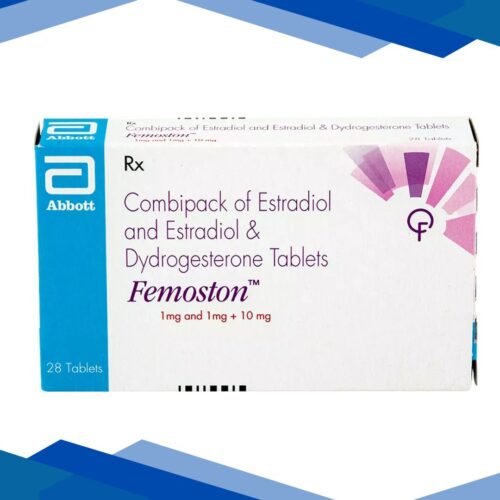
Femoston 1mg/1mg/10mg Tablet
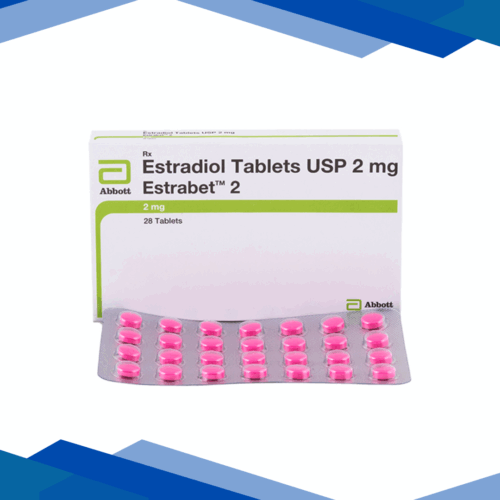
Estradiol (Pellet hormone therapy)
Estradiol is a naturally occurring estrogen hormone often prescribed to relieve menopausal symptoms such as hot flashes, vaginal dryness, and to help prevent osteoporosis, a condition commonly seen in post-menopausal women. The purpose of this hormone therapy is to restore declining estrogen levels during the menopausal transition, thereby improving quality of life and symptom control.
Main Desires
Reduces hot flashes: Helps reduce the intensity and frequency of hot flashes and night sweats.
Bone protection: Helps maintain bone density, lowering the risk of post-menopausal osteoporosis.
Vaginal symptom relief: Various forms of Estradiol help relieve vaginal dryness, itching, or burning associated with atrophic vaginitis.
Appropriate Usage Parameters
Administration routes: Estradiol may be given orally, topically (as gel or patch), or intravaginally. The physician determines the most suitable route based on the patient’s condition.
Routine use: Take the tablet at the same time every day to maintain stable hormone levels.
Missed dose: If a dose is missed, take it as soon as you remember, unless it is almost time for the next dose. Do not take two doses at once.
Monitoring: Regular medical checkups, including breast examinations and pelvic examinations, are essential during Hormone Replacement Therapy (HRT).
Others
Important note: Estrogen therapy is often combined with progestogen in women who still have a uterus to reduce the risk of uterine (endometrial) cancer.
Cardiovascular health: Long-term estrogen use may increase the risk of blood clots, stroke, and heart disease in certain individuals.
Smoking: Smoking should be avoided during Estradiol therapy, as it increases the risk of serious cardiovascular side effects.
Allergies: Inform your pharmacist or doctor if you have allergies to dyes, preservatives, or hormonal medications.
Adverse Reactions
Although many women benefit from Estradiol therapy, some may experience temporary side effects while the body adjusts to the hormone:
Breast tenderness or mild swelling
Mild nausea or bloating
Headaches or migraines
Breakthrough bleeding or spotting
Mood changes
Important: Seek immediate medical attention if you experience sudden chest pain, severe leg swelling, or unusual lumps in the breasts.
Frequently Asked Questions (FAQs)
Q: How long does it take for Estradiol to start working?
A: Most women begin to notice relief from hot flashes and night sweats within 1–3 weeks, while skin and bone health benefits may take several months of consistent therapy.
Q: Does Estradiol cause weight gain?
A: Some individuals may experience mild fluid retention or bloating, but significant weight gain is not common. Hormonal changes may alter fat distribution, and balanced diet and regular exercise can help manage this.
Q: Is Estradiol safe for long-term use?
A: Hormone Replacement Therapy (HRT) may not be recommended in certain conditions such as systemic lupus erythematosus or endometrial cancer. Always consult your doctor before long-term therapy.
Q: When should estrogen replacement therapy be started?
A: Estrogen therapy is often started during perimenopause, when hormone levels begin to decline, to help manage symptoms and protect long-term health.
Q: Should women with a history of uterine cancer continue hormone replacement therapy?
A: In many cases, women with a history of uterine (endometrial) cancer are advised to avoid or discontinue hormone replacement therapy, but the final decision should always be made by a healthcare specialist.