
Showing 1–20 of 99 resultsSorted by popularity
Filter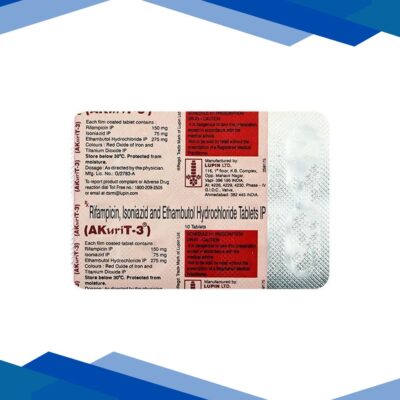

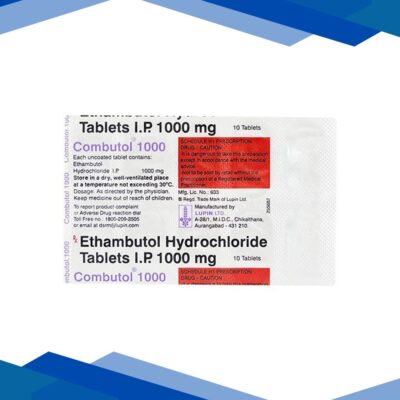





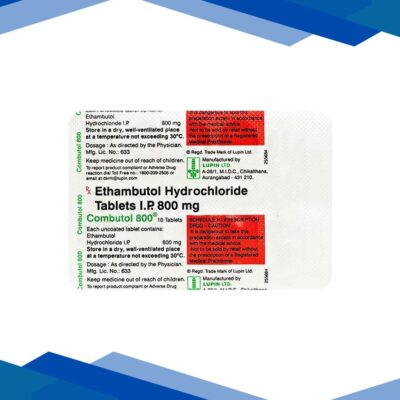

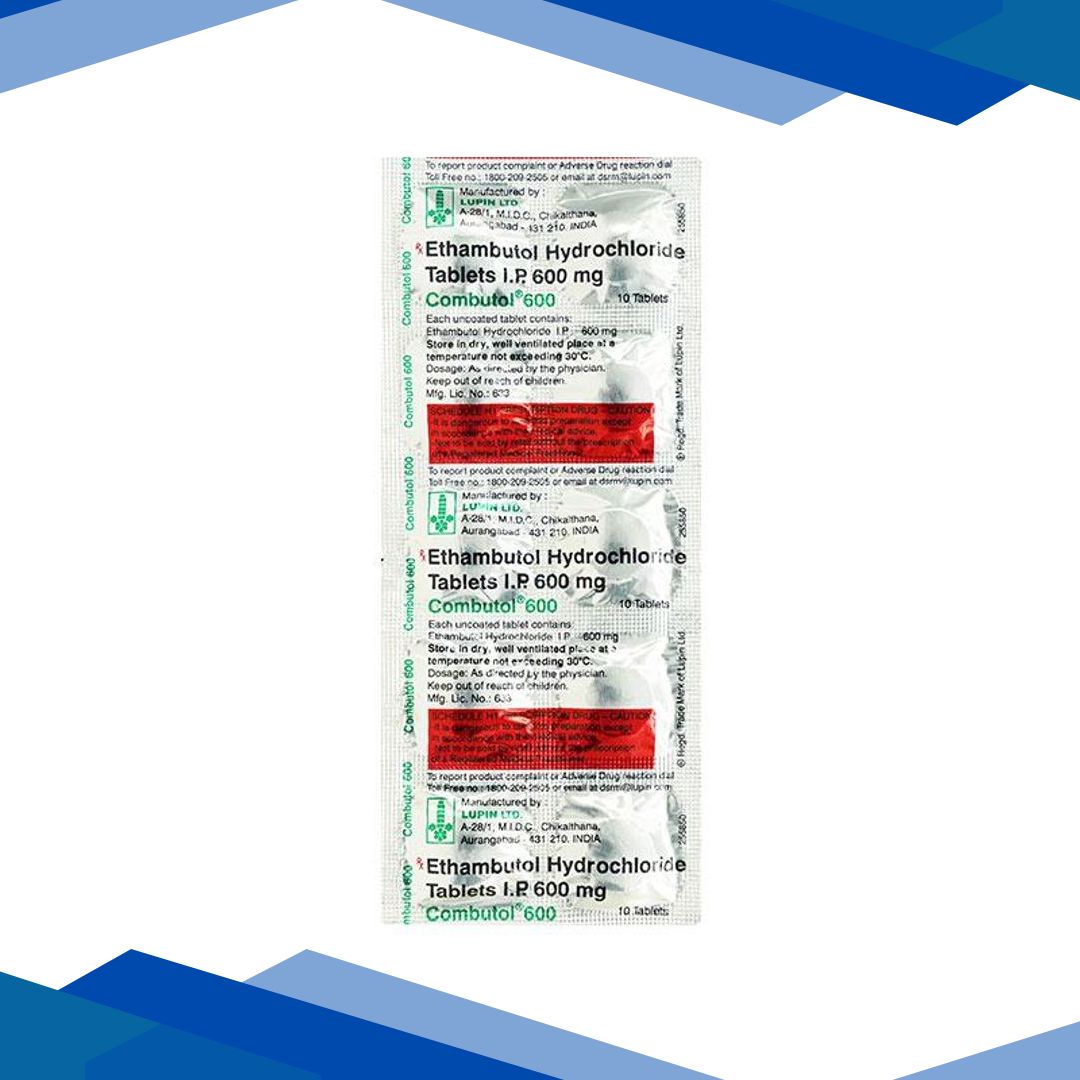





Ethambutol is the primary first-line antibiotic in concern with fighting tuberculosis (TB) and other infections by Mycobacterium species. It was selected because Ethambutol is bacteriostatic in nature, interfering to halt the multiplication and growth of bacteria rather than killing off them outright. This delay in action allows the patient’s immune system to clear the invading army “little-by-little.”
Mechanism of Action of Ethambutol
The action of Ethambutol depends upon inhibition of the bacterial cell wall. This active compound inhibits the enzyme arabinosyl transferase which is concerned with building the crucial building block (arabinogalactan) of the mycobacterial cell wall. A weakened wall results in an inability of the bacteria to grow or protect themselves and eventually destroys them from the body.
Key Benefits & Uses
Active Tuberculosis: Used in combination with at least one of the following drugs–Isoniazid, Rifampicin, and Pyrazinamide–to treat pulmonary and extra-pulmonary TB.
MAC Infections: Have been seen to be useful in patients with concomitant Mycobacterium avium complex (MAC) infections who are also an immune-compromised group.
Preventive Aspect: The more alarming issue of drug resistance is addressed when used concurrently with other anti-tuberculosis drugs.
Dosage & How to Take
Clinical Tips: The real power of Ethambutol is expressed with regular intake of the medication. Skipping doses leads into two situations: The first is a probable non-response; the second risk is the development of multi-drug-resistant (MDR) TB.
Medications Administration: Swallow the whole tablet with a glass of water. You may eat after taking your dose. If the drug results in upset stomach, have a meal before taking it.
Timing: Take your dose at the same time every day.
Weight-Based Dosing: Dose is calculated taking into consideration body weight (regular range is 15 mg/kg to 25 mg/kg). Always use the exact strength the doctor prescribes.
Precautions: Watch Out
Various vital points while using Ethambutol:
ConsiderationNotes
Eyes: Ethambutol can cause optic neuritis (changes in vision). Get an eye check-up before starting the therapy, and inform your doctor straight-away if you notice any blurring or color changes.
Kidneys: Let your doctor know about your kidney problems since the dosage may require an adjustment when Ethambutol gets in the body.
Gout: The drug may elevate uric acid levels. Thus, if you have got gout, pay close attention to joint pain under your doctor’s careful watch.
Pregnancy: Generally viewed as safe while there is an uphill battle happening, but on all hands, a consultation with a doctor will make clear be the basis for balance of benefit vs. risk.
Alcohol: Avoid excessive intake of ethanol along with other anti-TB medications to decrease hepatic injury.
Potential Side Effects
Ethambutol is tolerated well by most patients. But adverse effects that have been reported are:
Common: One may experience loss in appetite, nausea, or headache.
Skin and Joint Pain: Pain in joints, which is usually most common in the knees, ankles, or big toe (in case of developed hyperuricemia).
Neurological: One may feel numb or have “pins and needles” in the hands or feet.
Serious (Call Doctor): Patients may suffer from blurred vision, problems with red or green color differentiation, or severe eruptions on their skin.
Frequently Asked Questions (FAQs)
1. Why is Ethambutol always given with other drugs?
Tuberculosis is a dangerous organism that can adapt to single drugs and become resistant to them. Ethambutol is a team player between these antibiotics to ensure the infection is eradicated, and it is not given as a monotherapy.
2. Can I stop taking the medicines if I feel better?
No. The histological lung lesions may improve within a few weeks, but TB can remain dormant in the body for several months. You should finish the full course (six to nine months) to avoid any arising of the disease again in a less susceptible form.
3. What should I do if I happen to have blurred vision?
Immediate stoppage of the drug–and consult your physician on the telephone. Any vision disturbance–blurring and/or loss of red-green color perception–could result from this drug. This effect may be reversed if the drug is discontinued at the earliest stage.
4. Does Ethambutol interact with antacids?
Ethambutol’s absorption is lowered by aluminum-based antacids. Take the antacid doses at least 4 hours after Ethambutol.
5. Is driving okay with this medicine?
Ethambutol might cause dizziness and problems with vision sometimes. You should wait until you see how the medicine works in you before driving a car or operating heavy machinery.
Medical Disclaimer: The content provided is mainly for use by knowledge; thus, it does not serve as a substitute for medical advice, diagnosis, or treatment; neither can it be deemed a formal endorsement of claims or information’s validity. Always seek competent advice of any certified health care provider for any issues pertaining to illnesses.