
Showing all 7 resultsSorted by popularity
Filter


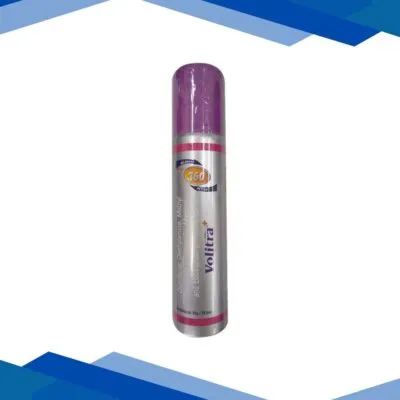
Volitra Plus New Spray 55gm


Eucalyptus Oil: Overview, Uses, and Side Effects
Eucalyptus Oil is a highly concentrated essential oil extracted from the fresh leaves of the Eucalyptus globulus tree through a meticulous steam distillation process. The oil owes its potent therapeutic properties to a natural organic compound called 1,8-cineole (also known as eucalyptol).
Widely celebrated in traditional and modern wellness practices alike, Eucalyptus Oil acts as a powerful natural decongestant, anti-inflammatory, and mild analgesic. When inhaled or applied topically, it provides immediate soothing relief by relaxing the respiratory passages and increasing localized blood circulation to ease physical discomfort.
Key Benefits & Uses
Eucalyptus Oil is a versatile home wellness remedy, highly regarded for addressing a variety of seasonal and physical conditions:
-
Relieving Respiratory Congestion: It breaks down thick mucus, making it highly effective for clearing blocked sinuses, relieving common colds, and easing severe coughs.
-
Soothes Joint and Muscle Pain: Its natural warming and anti-inflammatory properties make it an excellent choice for soothing sore muscles, arthritic aches, and tension headaches.
-
Natural Insect Repellent: The intense aroma serves as an eco-friendly barrier to ward off mosquitoes, ticks, and bugs.
-
Antiseptic Skin Care: Due to its natural antimicrobial qualities, when properly diluted, it helps clean and heal minor scrapes, insect bites, and minor skin irritations.
How to Use Eucalyptus Oil Safely
Because pure essential oils are incredibly concentrated, they must be handled with care. Always follow these safe application methods:
-
Steam Inhalation: Add 2 to 3 drops of pure Eucalyptus Oil to a bowl of steaming hot water. Lean over the bowl, drape a towel over your head to trap the steam, and breathe deeply through your nose for 5 to 10 minutes. Keep your eyes closed to prevent irritation.
-
Topical Massage (Always Dilute): Never apply pure, undiluted Eucalyptus Oil directly to your skin. Mix 3 to 5 drops of Eucalyptus Oil with a tablespoon of a gentle carrier oil (such as coconut, almond, or jojoba oil) before massaging it onto your chest, back, or aching joints.
-
Aromatherapy Diffusers: Add a few drops to your home ultrasonic humidifier or diffuser to clear the air, mask household odors, and support clear breathing throughout the room.
Safety Advice & Vital Precautions
| Category | Guidance |
| Strictly No Ingestion | Never swallow or drink Eucalyptus Oil. Even a very small oral dose can be highly toxic, causing severe abdominal pain, vomiting, dizziness, and respiratory distress. |
| Infants & Children | Do not apply Eucalyptus Oil to the face, nose, or chest of infants or children under the age of 2. Inhaling the strong fumes can trigger unexpected breathing spasms in young lungs. |
| Asthma Warning | While it helps clear mild congestion, the strong scent can occasionally trigger an acute asthma attack in highly sensitive individuals. Use with caution. |
| Patch Test First | Before applying a diluted mixture to a large area of your body, apply a tiny drop to your inner forearm and wait 24 hours to check for any signs of an allergic skin rash. |
Common Side Effects
When used properly via inhalation or when correctly diluted, Eucalyptus Oil is exceptionally safe. However, minor reactions can occur if handled improperly:
-
Mild skin redness, tingling, or a burning sensation if insufficiently diluted
-
Watery eyes or temporary nasal irritation from intense steam fumes
-
Mild nausea if the aroma is inhaled too closely for an extended period
Emergency Note: If pure Eucalyptus Oil is accidentally swallowed, do not induce vomiting. Drink water immediately and contact your local emergency medical services or a poison control center right away.
Frequently Asked Questions (FAQs)
Q: Can I use regular Eucalyptus Oil in my bath water?
Yes, but you shouldn’t pour it directly into the tub. Because oil and water do not mix, the pure oil will simply float on top and can stick directly to sensitive areas of your skin, causing chemical burns. Instead, mix 5 drops of Eucalyptus Oil with a tablespoon of a carrier oil or a handful of Epsom salts first, then dissolve the mixture into your warm bath.
Q: Why does Eucalyptus Oil make my skin feel cold and warm at the same time?
When applied topically in a diluted form, the eucalyptol compound stimulates the cold receptors on your skin, creating an immediate cooling sensation. Simultaneously, it coaxes the tiny blood vessels underneath to widen, increasing local blood flow. This increased circulation creates a soothing, comforting warmth that helps melt away deep muscle tension.
Q: Is Eucalyptus Oil safe to use around household pets?
No. Eucalyptus Oil is highly toxic to domestic pets, particularly cats and dogs, because their livers lack the specific enzymes required to break down the oil’s volatile organic compounds. Avoid using open diffusers in enclosed rooms where your pets sleep, and store your bottles securely out of their reach.
Q: Can I drop Eucalyptus Oil directly into my electronic humidifier?
You should always check your device’s instruction manual first. While specialized aromatherapy diffusers are built to handle essential oils, standard plastic home humidifiers can be chemically degraded or cracked by the strong compounds in pure essential oils.
Disclaimer: The wellness and herbal insights provided on this page are intended strictly for general educational purposes and cannot replace professional medical advice, clinical diagnosis, or treatment. Always consult a certified healthcare professional or dermatologist before incorporating essential oils into your daily healthcare routine.