
Showing 1–20 of 26 resultsSorted by popularity
Filter
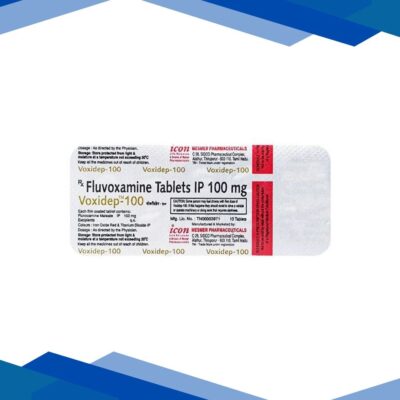
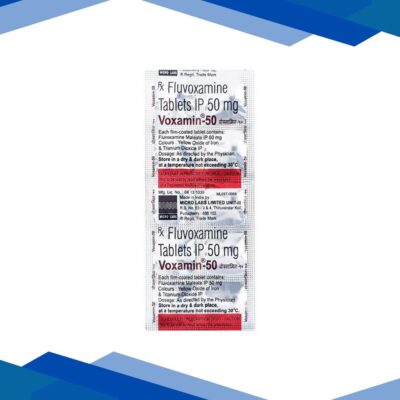
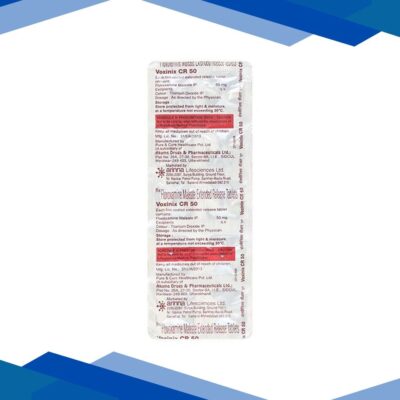
Voxinix CR 50mg Tablet 10’S
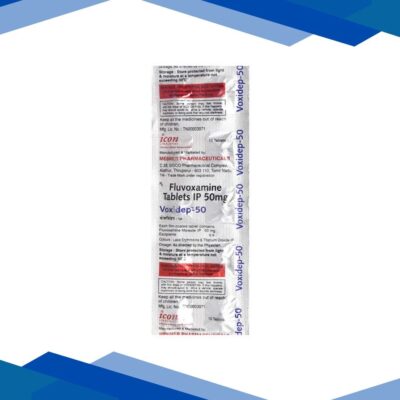
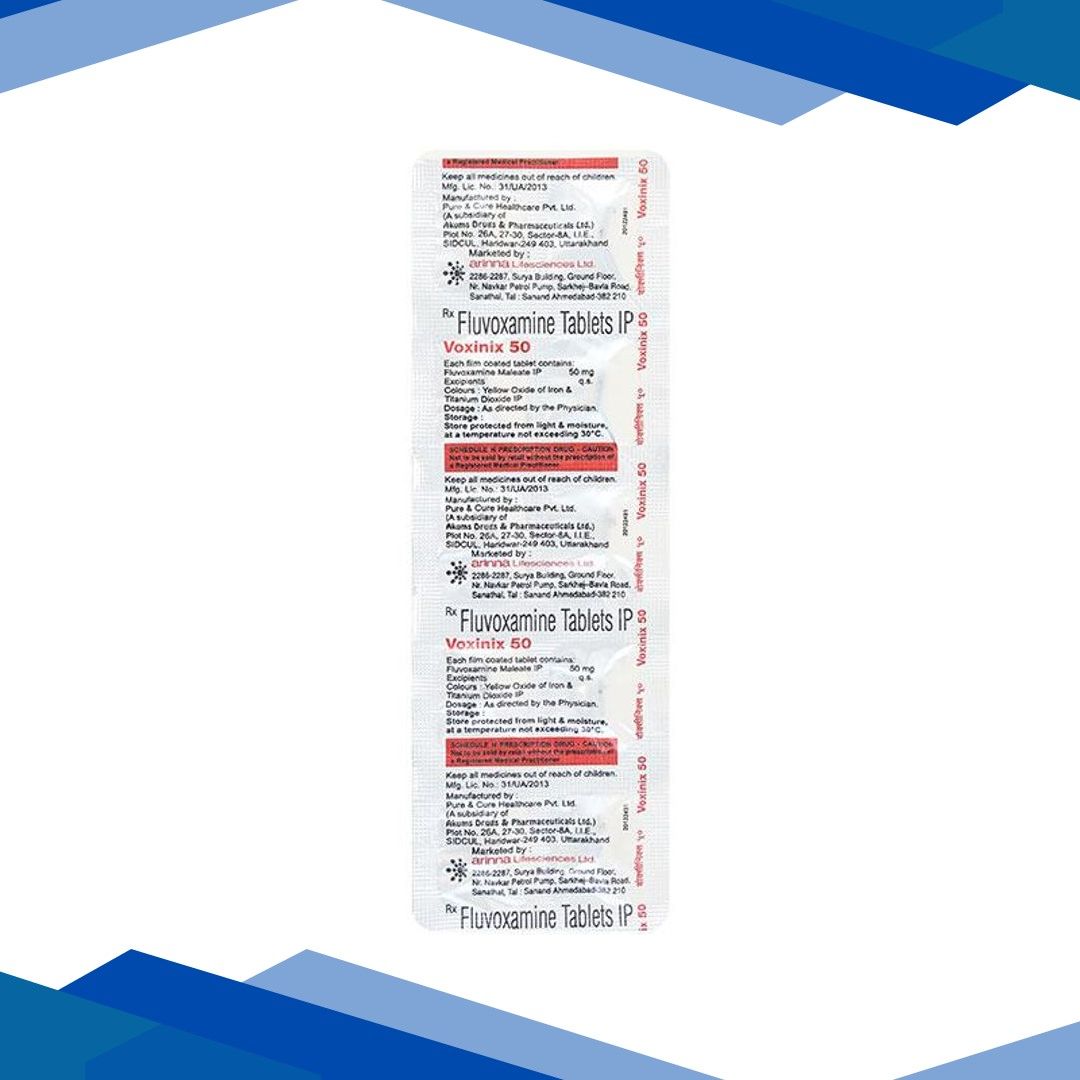
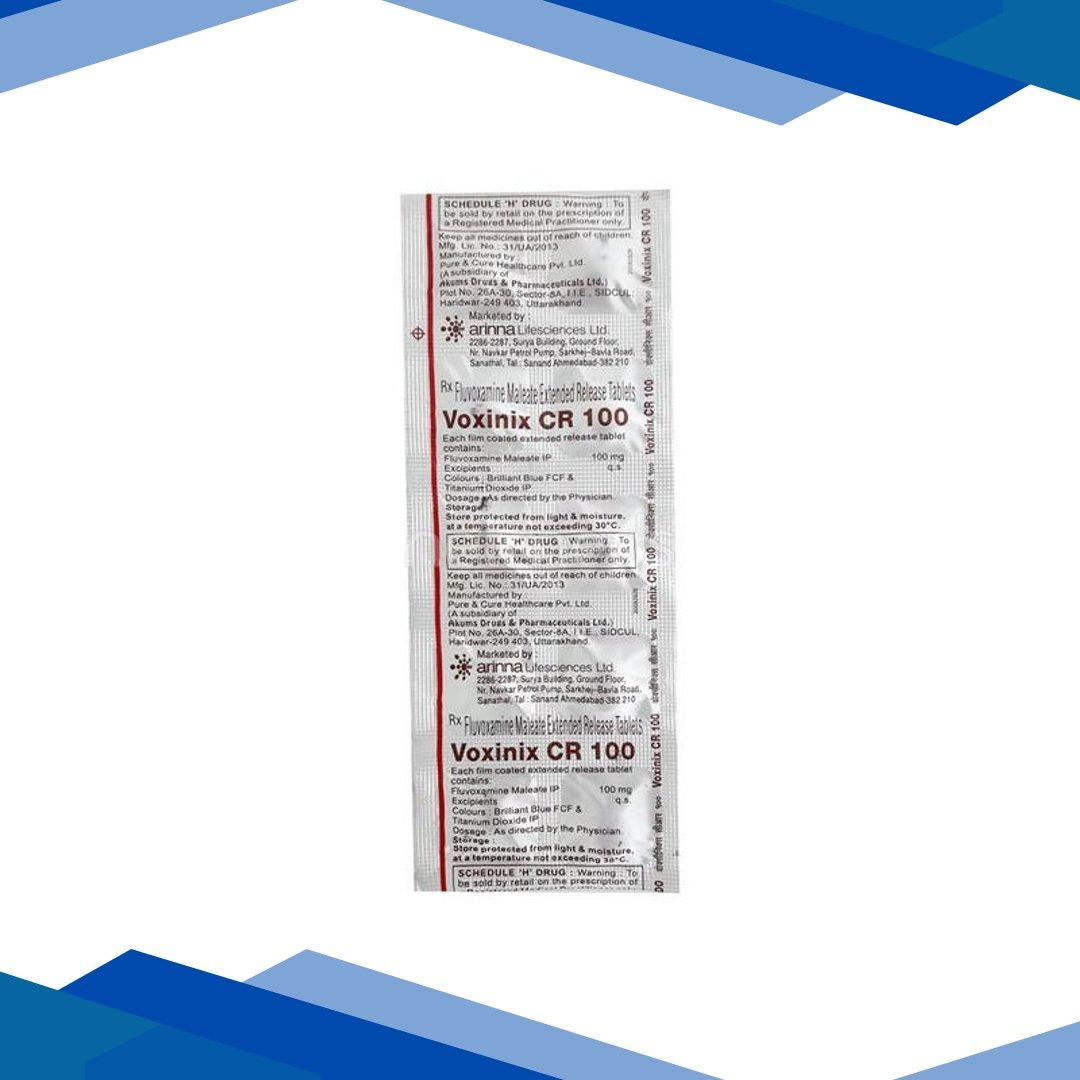
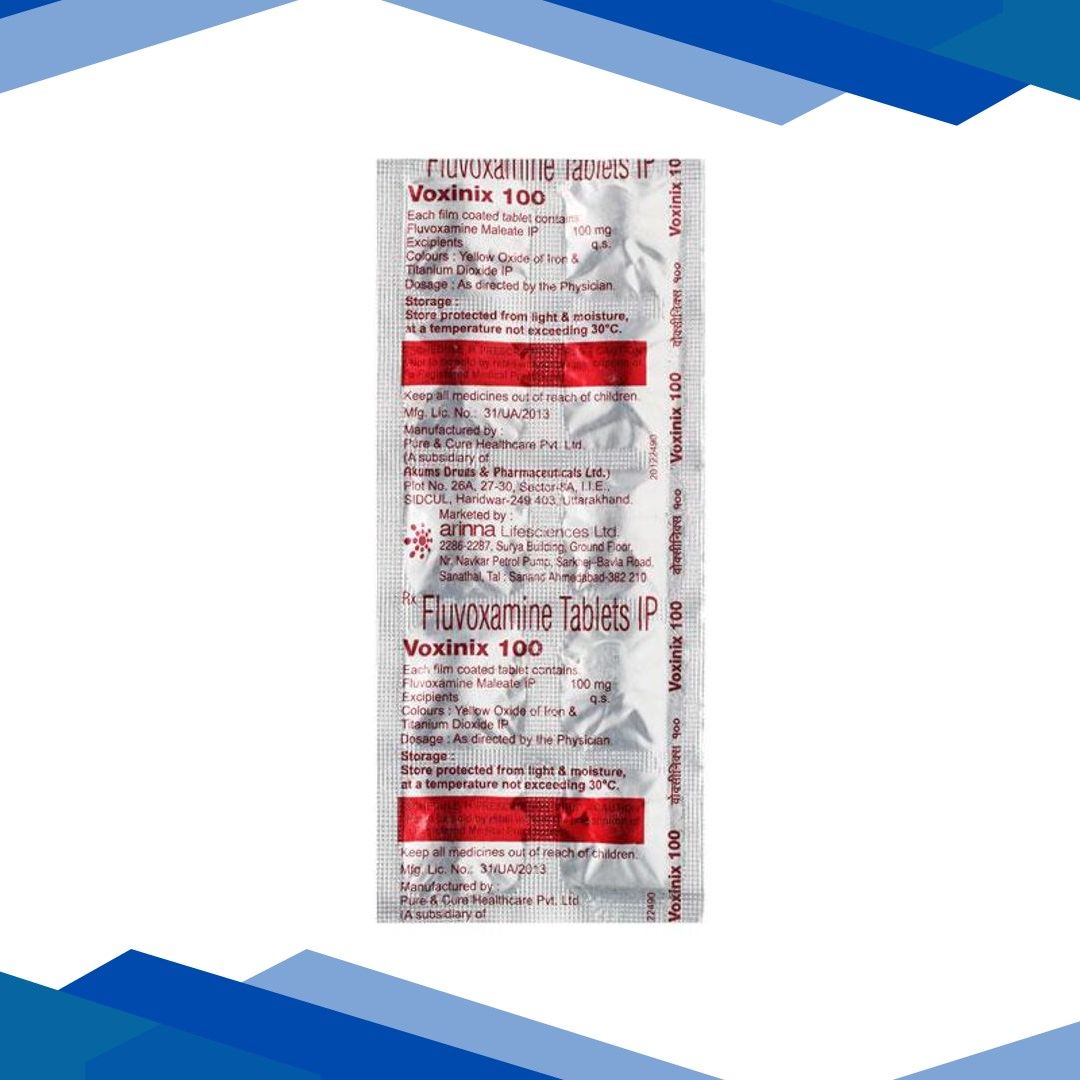
Voxinix CR 100mg Tablet 10’S
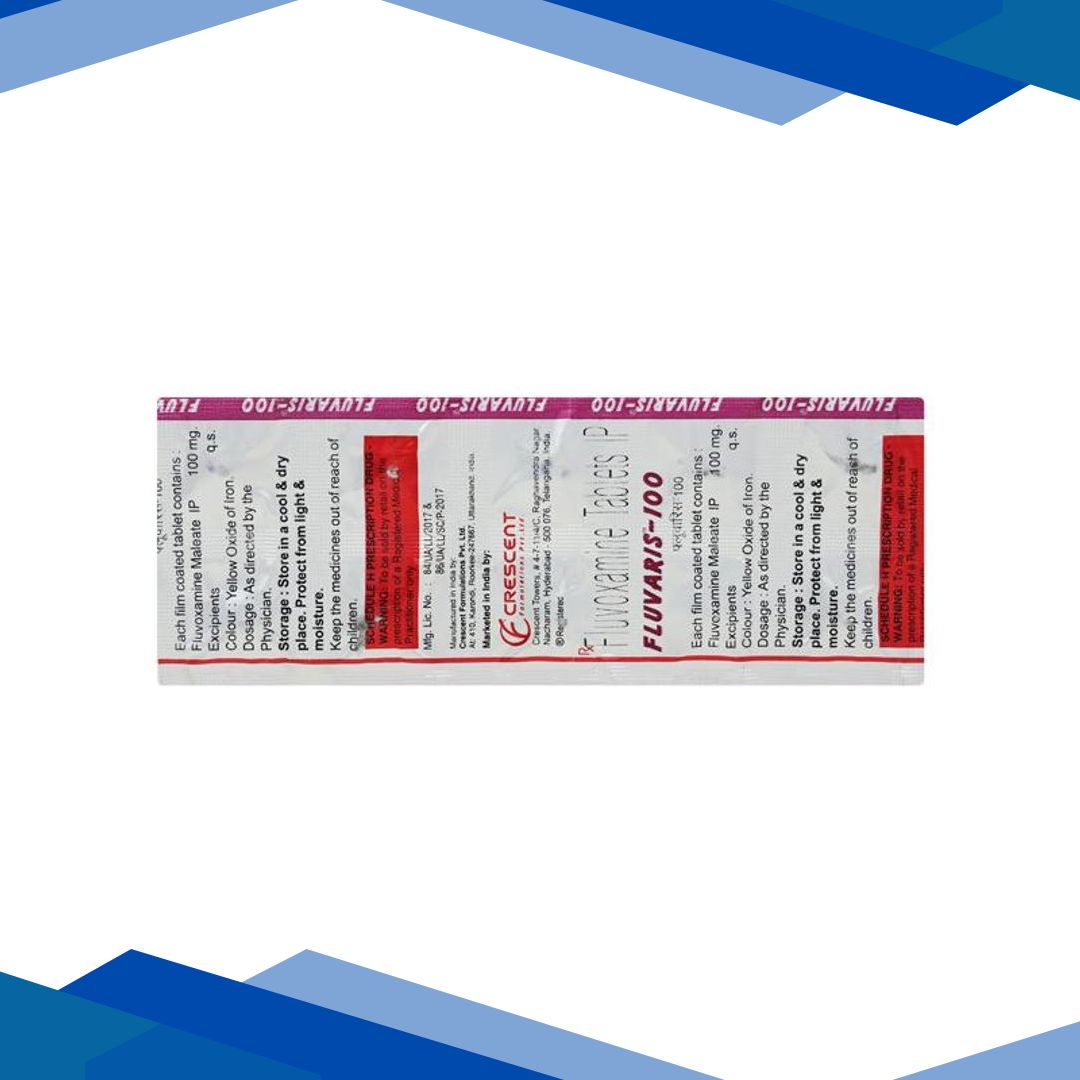
Fluvaris 100mg Tablet 10’S
Fluvoxin 100mg Tablet 10’S
Fluvator 100mg Tablet 10’S
FLUVOXIN CR 150 Tablet 10’s
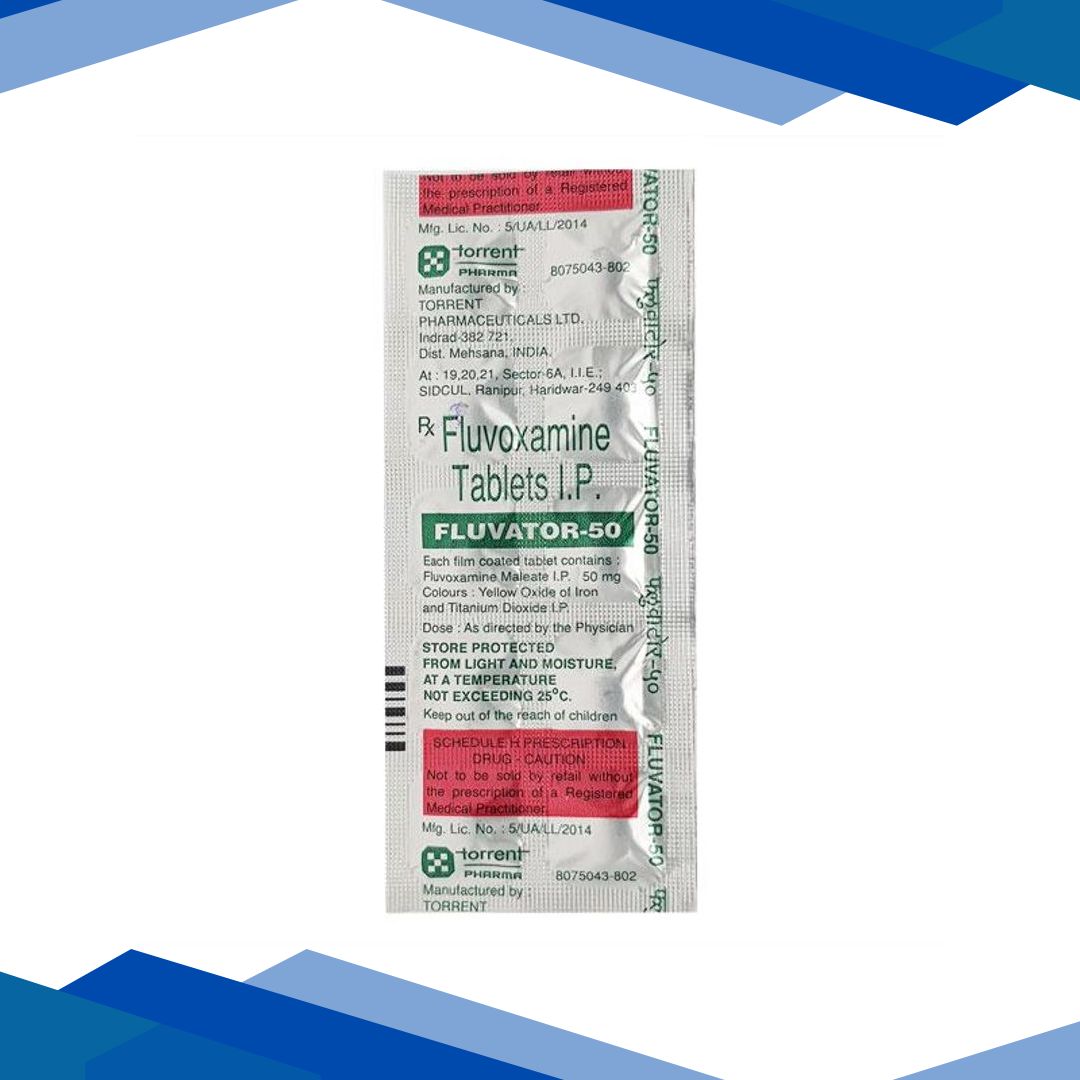
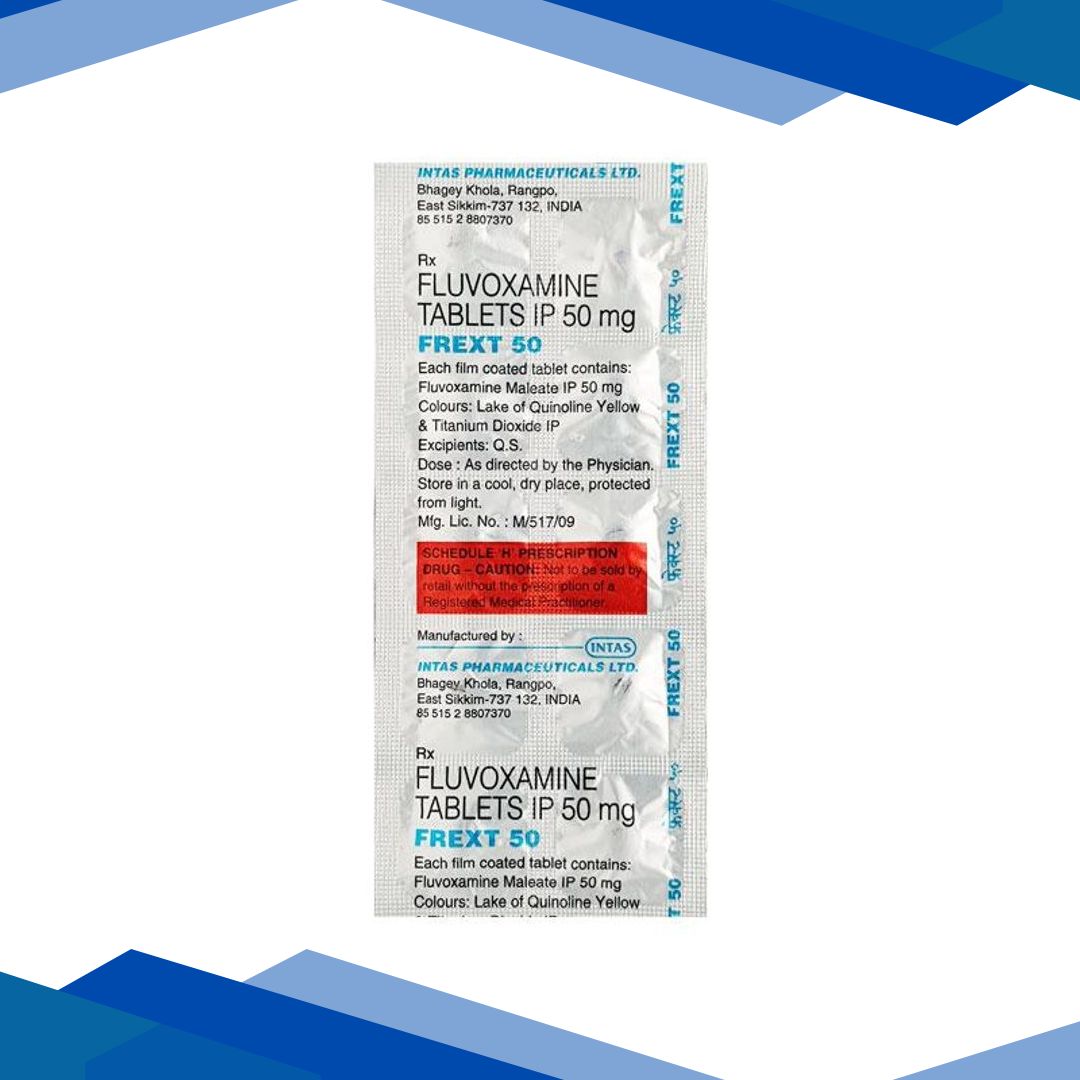
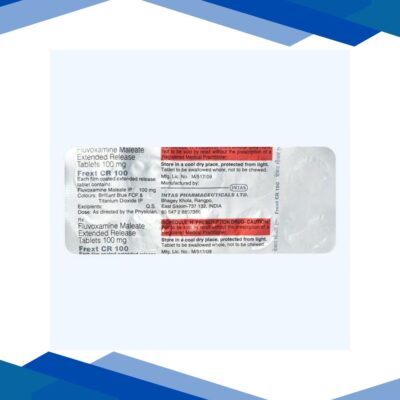
Frext CR 100mg Tablet 10’S
Fluvoxin CR 50mg Tablet 10’S
Fosfomycin: Overview, Uses, and Side Effects
Fosfomycin (frequently prescribed as Fosfomycin Tromethamine) is a unique, broad-spectrum bactericidal antibiotic used primarily as a highly efficient, single-dose treatment for uncomplicated urinary tract infections (UTIs).
Fosfomycin represents its own distinct chemical class of antibiotics. It features a highly specialized mechanism of action: it inactivates the cytosolic enzyme UDP-$N$-acetylglucosamine enolpyruval transferase (also known as MurA). This specific enzyme is responsible for catalyzing the absolute first step in bacterial cell wall synthesis. By blocking MurA, fosfomycin prevents bacteria from building their outer protective walls, causing them to burst and die. Because its structural mechanism acts much earlier in the cell wall assembly process than beta-lactams (like penicillins or cephalosporins), it exhibits no cross-resistance with other major antibiotic classes, making it highly effective against multi-drug resistant pathogens.
Key Benefits & Uses
Urologists, gynecologists, and infectious disease specialists utilize Fosfomycin to target and treat acute bacterial infections:
-
Acute Uncomplicated Cystitis: Serving as a premier, first-line treatment for acute bladder infections in women caused by susceptible strains of Escherichia coli and Enterococcus faecalis.
-
Combating Superbugs (ESBL & MRSA): Because of its unique molecular structure, fosfomycin remains highly active against troublesome multi-drug resistant organisms, including Extended-Spectrum Beta-Lactamase (ESBL) producing E. coli and Vancomycin-Resistant Enterococci (VRE).
-
Prophylaxis in Urological Procedures: Used off-label in specific clinical settings as an oral or intravenous preventative shield before transrectal prostate biopsies or complex urinary surgeries to avoid post-operative sepsis.
How to Take Fosfomycin Correctly
-
The Single-Dose Protocol: For standard uncomplicated bladder infections, Fosfomycin is highly unique because the entire treatment consists of just one single dose (typically 3 grams).
-
Proper Dissolution Method: Fosfomycin is supplied as a dry oral powder sachet. Never swallow the powder dry. Empty the entire contents of the sachet into a glass containing roughly 90 to 120 mL (about half a cup) of cold or room-temperature water. Stir the liquid completely until the powder dissolves entirely, and drink it immediately.
-
Empty Stomach vs. Bedtime: For maximum absorption, take your dose on an empty stomach—either 2 hours before or 2 hours after a meal. Many clinicians recommend drinking the solution right before bedtime after emptying your bladder; this allows the antibiotic to sit in your bladder at its highest concentrated strength overnight to aggressively destroy the bacteria.
Safety Advice & Vital Precautions
| Category | Guidance |
| Upper UTI Warning | Crucial Limitation. Fosfomycin is designed strictly to treat lower urinary tract infections (the bladder). It does not achieve adequate therapeutic tissue concentrations in the kidneys. It should not be used to treat deep kidney infections like acute pyelonephritis or perinephric abscesses. |
| Severe Renal Impairment | Patients with severe kidney failure (Creatinine Clearance $< 30\text{ mL/min}$) or those undergoing regular dialysis should avoid oral fosfomycin, as the kidneys will not be able to clear the drug efficiently into the urine. |
| GI Motility Agents | Avoid taking medications that artificially accelerate gastric emptying (like Metoclopramide) at the same time as fosfomycin, as this can lower the amount of antibiotic your body absorbs. |
| Pregnancy & Lactation | Fosfomycin crosses the placenta but carries an excellent safety record, making it a highly favored, safe alternative for treating acute cystitis in pregnant women. It is also considered safe during breastfeeding. |
Common Side Effects
Fosfomycin is exceptionally well-tolerated because it delivers a localized therapeutic effect in the urinary tract with minimal systemic disruption. Some individuals may experience minor, short-lived adjustments:
-
Mild diarrhea or loose stools (the most frequent side effect, usually resolving within 24–48 hours)
-
Nausea, upset stomach, or mild abdominal pain
-
A temporary mild headache or dizziness
-
Vaginitis or mild vaginal itching (due to temporary shifts in local bacterial flora)
When to speak with your doctor: Contact your physician if you develop severe, watery diarrhea accompanied by intense stomach cramps and a fever days or weeks after taking the dose, as this could indicate a rare overgrowth of Clostridioides difficile ($C. diff$) in your gut.
Frequently Asked Questions (FAQs)
Q: Can one single dose of an antibiotic really cure my entire UTI?
Yes. While traditional antibiotics require taking pills for 3 to 7 days, Fosfomycin is unique because of how your kidneys process it. Once you drink the solution, it is rapidly absorbed into the blood and filtered immediately by your kidneys into your urine. It reaches incredibly high concentrations in your bladder and stays at a bactericidal (bacterial-killing) strength for up to 48 to 72 hours after just that single cup. It continuously cleanses your bladder over three days while you only have to take it once.
Q: What should I do if my UTI symptoms don’t go away the day after taking Fosfomycin?
Do not panic and do not take a second dose. Because fosfomycin works continuously inside your bladder for up to 3 days after you drink it, it takes time for the bacterial load to clear completely and for the inflamed bladder lining to heal. It is normal to still experience some mild burning or urgency the day after taking the medication. However, if your symptoms show zero improvement or actively worsen after 3 full days, contact your doctor to review your urine culture, as you may be dealing with a non-susceptible bacterial strain or an upper kidney infection.
Q: Can I mix Fosfomycin powder into hot water or hot tea to make it easier to drink?
No. Fosfomycin powder should always be dissolved in cold or room-temperature water. Mixing it into hot liquids can thermally alter or degrade the chemical structure of the antibiotic molecule, drastically reducing its strength and making it less effective at killing the bacteria in your bladder.
Q: Is it safe to take Fosfomycin if I have a severe penicillin allergy?
Yes, it is completely safe. Penicillins kill bacteria by targeting an enzyme during the late stage of cell wall construction (penicillin-binding proteins). Fosfomycin targets a completely different enzyme (MurA) at the absolute beginning stage of cell wall production. Because their chemical structures and targets are entirely distinct, there is zero cross-reactivity or risk of an allergic flare-up if you have a documented allergy to penicillins, cephalosporins, or sulfa drugs.
Disclaimer: The urological, microbiological, and clinical insights provided on this page are intended strictly for general educational purposes. They cannot replace a personalized, professional medical consultation, diagnosis, or treatment plan from a certified urologist, gynecologist, or physician. Always consult your doctor before beginning or altering any prescription antibiotic routine.