
Showing the single result
Filter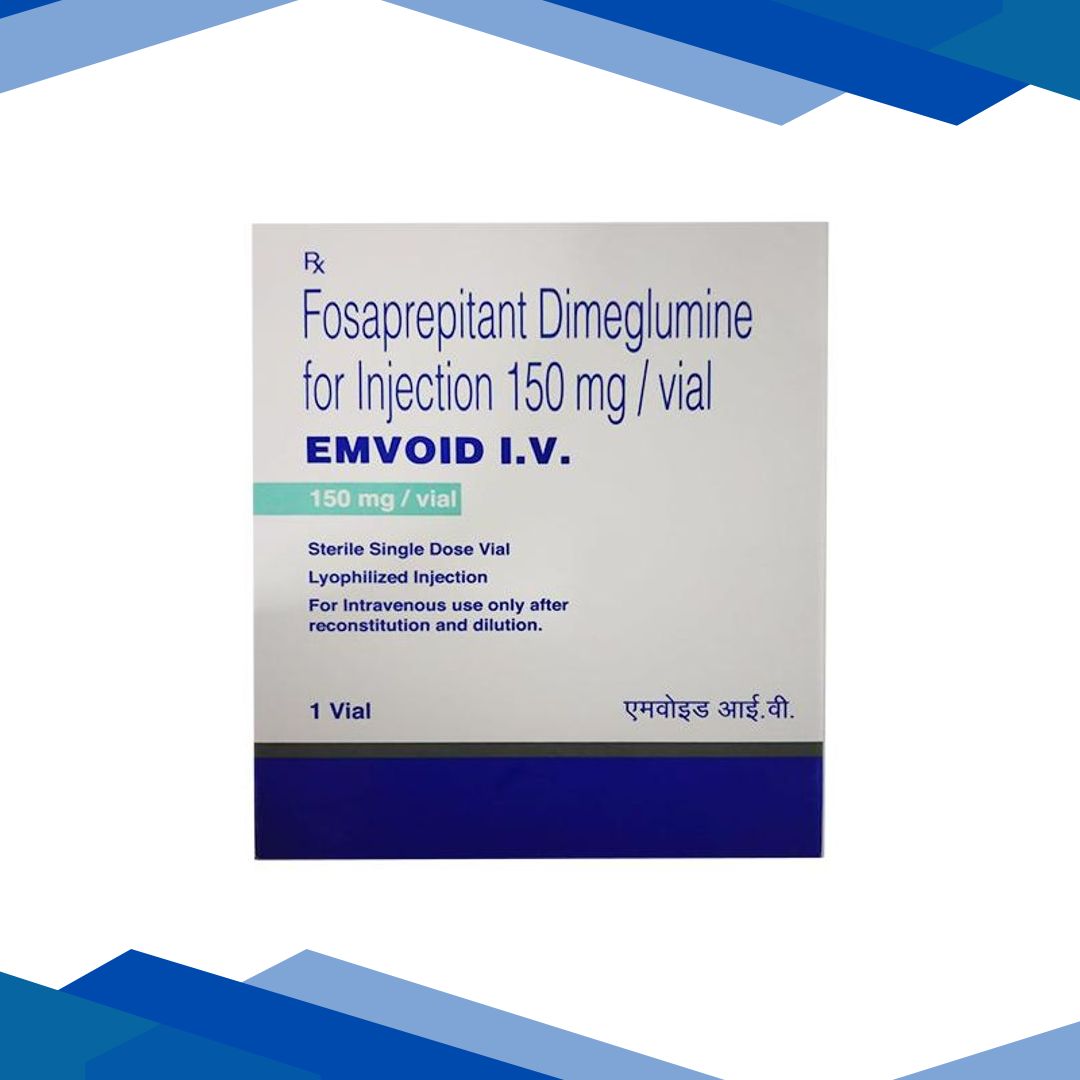
Fosaprepitant class: Induction of Akinesia for Nausea Reactions in Chemotherapy
Fosaprepitant is the stronger injectable form of medication designed to prevent the acute & delayed nausea and vomiting from highly emetogenic and moderately emetogenic chemotherapy. It exists as a prodrug and metabolizes to Aprepitant in vivo.
It comes under the pharmacologic category of Substance P/neurokinin 1 (NK1) receptor antagonists. By preventing the transmission of signals in the brain which contact the vomiting center, Fosaprepitant substantially improves the quality of life in cancer patients who have been presented with more intensive antineoplastic therapy.
Indications& Benefits in Clinical Practice
Prevention of CINV: It is intended to take care of both the ‘acute’ (within 24 hours) and ‘delayed’ (up to 5 days) emesis periods after chemotherapy.
Synergistic actions: Often given in adjunction with a 5-HT3 antagonist (e.g. Ondansetron) and corticosteroid (e.g. Dexamethasone) in a “triple-drug regimen” for maximum effect.
Intravenous Injection: Its mode of administration is through the intravenous route hence bypassing the gastrointestinal system, hence the agents facilitate optimal use for those patients particularly feeling too nauseated to receive oral agents.
Mechanism of Action: How It Works
During chemotherapy, the body releases a natural compound called Substance P. This compound binds to NK1 receptors in the vomiting center of the brain and the vagus nerve. Fosaprepitant (as Aprepitant) acts as a “shield,” binding to these receptors first so that Substance P cannot trigger the nausea response.
Route: Intravenous (IV) infusion only.
Timing: Usually administered approximately 30 minutes prior to the start of the chemotherapy session on Day 1 of the treatment cycle.
Setting: This medication must be administered by a qualified healthcare professional in a clinical or hospital setting.
Critical FAQs
1. Is Fosaprepitant the same as Aprepitant?
When your body processes an IV dose of fosaprepitant, in effect, it is more or less transformed into Aprepitant. The major difference lies in the way the drugs are administered: intravenously (IV) versus orally.
2. If I am already feeling queasy, may I take Fosaprepitant then?
Fosaprepitant is a preventive therapy. While very effective in preventing nausea—eliminating it before it even starts—there is little, if any, use when you get overbearing, intractable vomiting as the session progresses.
3. Which side effects are most common?
Queasiness, for the most part, does not worry a patient who keeps up well amidst an infusion; typically, side-effects are tiredness, hiccups, heartburn, mild headache. The infusion procedure may cause mild irritation at the injection site. If rashes or difficulty breathing occur, inform your nurse right away.
4. Can this medication interact with other medications?
Yes, Fosaprepitant can interact with multiple treatments such as blood thinners (e.g: Warfarin), hormonal contraceptives, and some medications used for preventing anxiety. It is necessary to give full details of the medications being used to the oncologist.
5. Will this affect my birth control?
Fosaprepitant may reduce the efficacy of hormonal contraception pills to be used within 28 days of taking the last dose, which is why it is recommended to use a backup, non-hormonal contraceptive throughout this period.
Safety & Precautions
Hypersensitivity: Surrendered to the doctor if allergic to Aprepitant or Polysorbate 80.
Liver Health: Close monitoring should be demanded in severe liver impairment due to liver-driven metabolism of the drug.
Pregnancy: The benefit of using it during pregnancy should surpass the disadvantages to the fetus.
Please keep in mind that this piece is strictly for conveyance of knowledge. Fosaprepitant is indeed a prescription-only drug, to be used under proper monitoring by an oncologist.