
Showing all 3 resultsSorted by popularity
Filter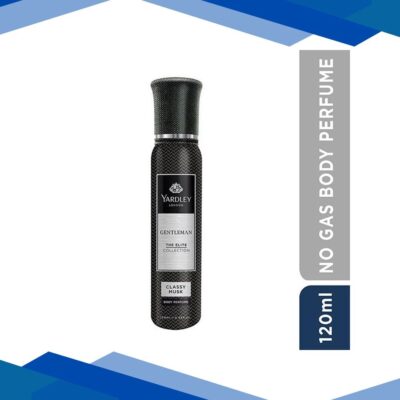
Yardley London Elite Collection Classy Musk Body Perfume 120 ml

French Essence Deodorant Body Spray – Oud 150 ml
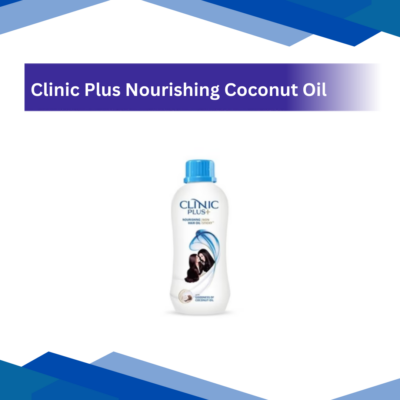
Clinic Plus Nourishing Coconut Hair Oil 200ml
cent: Drug Facts, Uses, and Compositions
Essential oils are never used in the manufacture of therapeutic personal care products, dermatological applications, and aromatherapy. Even though the creation of an esthetic scent is the product designers’ goal, in pharmaceutical fragrances, these should be designed to mask the smell of the active pharmaceutical ingredients and to psychologically affect people for good by any stimulation of the olfactory sense.
General Information
Category: Therapeutic Additive / Olfactory Aid
Prescription Required: No (Over-the-Counter)
Form: Topical oils, aerosols, and creams
Indications & Usage
In the Aesthetic Sense: It actively malodorizes the strong smelling medicinal themes offered by high-potency creams.
Stress & Wellness: Aromatics like linalool induce a sense of stress reduction and relaxation.
Topical Concerns: Enhancing patient compliance through the pleasurable experience of using medicated-ointment applications.
Safety Warnings & Precautions
Please take note: Before the use of scents, do a patch test to prevent any unforeseen reactions. Certain individuals might suffer from allergic reactions when they are exposed to the scent.
Most allergic people might suffer from skin problems when they are exposed to fragrance chemicals, like rash, eczema, or contact dermatitis, which is the inflammation of the skin.
Respiratory Complications: Just as individuals with respiratory problems (those affected by asthma or chronic obstructive pulmonary disease) would have strong reactions to fragrances: sprays, strongly scented bottles, etc.
Pregnancy & Feeding: Very safe for external use; however, ask your doctor if the right usage of concentrated essential oils may not cause any problem during pregnancy and breastfeeding.
Frequently Asked Questions (FAQs)
1. Are fragrances safe for sensitive skin?
Even though there are limited situations in which pharmaceutical-grade fragrances are tested for allergies, they remain one of the frequent causes of contact allergies. If you experience redness, itching, or burning, stop using it and opt for “Fragrance-Free.”
2. What is the difference between ‘Unscented’ and ‘Fragrance-Free’?
“Fragrance-Free” means that the scent is not artificially enhanced by the addition of chemicals. “Unscented” products may contain these same fragrances but in such small amounts that no scent can be detected.
3. Can I use Fragrance-based products on open wounds?
No. Fragrance elements are meant for use on intact skin only. Applying them to broken skin or burned skin may result in severe irritations as well as slowing healing.
4. How should I store products containing Fragrance?
Store products containing fragrance elements in a cool and dry environment away from direct sunlight. High temperatures can cause either the blends to break down, causing the original scent to alter and potentially increasing the chances of skin irritation.
5. Are natural fragrances safer than synthetic ones?
Not necessarily. Essential oils (like bergamot or lemon oil) are very photosensitive and can cause skin reactions when exposed to the sun. On the brighter side, synthetic fragrances are often more stable in pharmaceutical use.