
Showing all 5 resultsSorted by popularity
Filter
Furoped Pineapple Flavour Oral Solution 30ml
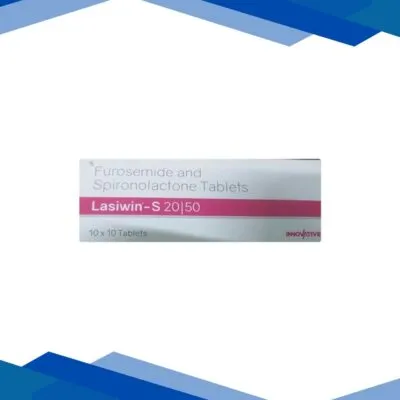


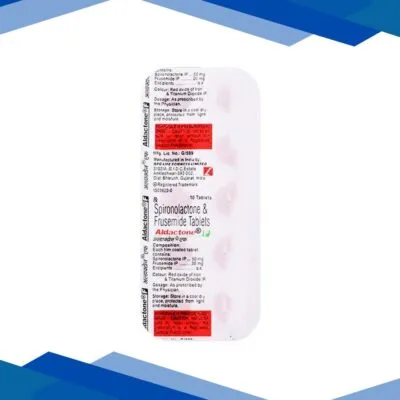
Furosemide: Treatment in Edema and Hypertension
Furosemide is a powerful “loop diuretic” that is used more particularly for the reduction of fluid in patients with congestive heart failure, liver disease, or kidney disease. Furosemide promotes the removal of excess salt and water through the urine, which in turn reduces workload on the heart and decreases blood pressure.
The dosages vary between the different availabilities of Furosemide so as to help in maintaining a balance by eliminating potential complications due to liquid accumulations in either the lungs or the extremities.
Purposes and Clinical Indications
Edema Management: Swelling is greatly decreased in the ankles, feet, and legs which result from slow accumulation of the fluid in tissues of the body.
Congestive Heart Failure (CHF): Clears off the fluid from the lungs (pulmonary edema), allowing an easier way for the patient to breathe.
Hypertension (High Blood Pressure): Furosemide can be used alone or in combination with other antihypertensives to lower blood pressure and hence reduce the risk of stroke or heart attack.
Renal Support: It is commonly used in patients with renal failure to maintain urine output.
How Furosemide Works
Furosemide acts primarily on the Loop of Henle. Furosemide affects the kidneys by inhibiting the reabsorption of sodium, chloride, and potassium. When these electrolytes are thus not reabsorbed into the bloodstream but instead retained in the urine, water follows, resulting in increased diuresis (urination).
Expert Safety Advice: What You Should Keep in Mind
Timing is Key: Make sure to take your dose in the morning. Taking it late in the night may wake you multiple times for repeated visits to the bathroom, thus interfering with your sleep.
Potassium Levels Monitoring: Since Furosemide (commonly known as Lasix) enhances potassium excretion, your physician may advocate including potassium-enriched diet types, such as bananas or spinach, or prescribe potassium supplements.
Replenish Fluids (Wisely): Provided the aim is to remove surplus fluid, for balanced fluid levels, you must continuously sip water, unless your renal clinician has advised a fluid restriction.
Sun Sensitivity: Furosemide may increase sun sensitivity, so please remember to use sunscreen and wear protective clothes whenever you’re outside.
Frequently Asked Questions (FAQs)
1. How quickly does Furosemide start working?
Furosemide typically starts working approximately 30 to 60 minutes after oral administration, and peak action begins in 1–2 hours, lasting about 6–8 hours.
2. Can I stop taking Furosemide if my swelling has gone away?
No. Do not stop Furosemide abruptly without consulting your doctor. Edema can often be a sign of an underlying chronic condition, and stopping treatment may cause fluid to accumulate again.
3. What are the common side effects of Furosemide?
Common side effects include polyuria (frequent urination), thirst, muscle cramps (due to electrolyte imbalance), and dizziness on standing (orthostatic hypotension). Seek medical help if you experience severe dehydration, ringing in ears, or yellowing of skin.
4. Can Furosemide interact with other medications?
Yes. Furosemide may interact with drugs like Lithium, NSAIDs (e.g. Ibuprofen), which can reduce its effectiveness or increase side effects. Always inform your doctor about all medications you are taking.
5. Can I consume alcohol while taking Furosemide?
Limiting alcohol consumption is advisable. Both together can lower blood pressure and increase the risk of dehydration, leading to dizziness or even fainting.
Safety and Storage Information
Storage: Store at room temperature (20°C to 25°C) away from light and moisture.
Missed Dose: If you forget a dose, take it as soon as you remember. If it’s close to your next dose, skip the missed one and continue your regular schedule to avoid nighttime disturbance.
Disclaimer: This information is for educational purposes only. Furosemide is a prescription medication and should be used under proper guidance of a healthcare professional.