
Showing all 6 resultsSorted by popularity
Filter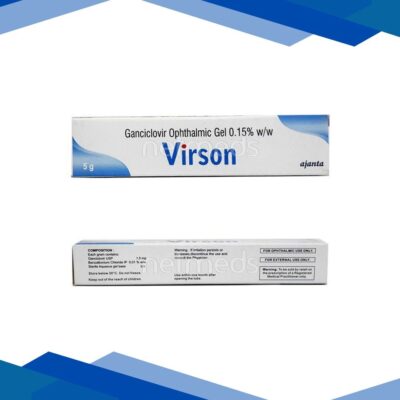

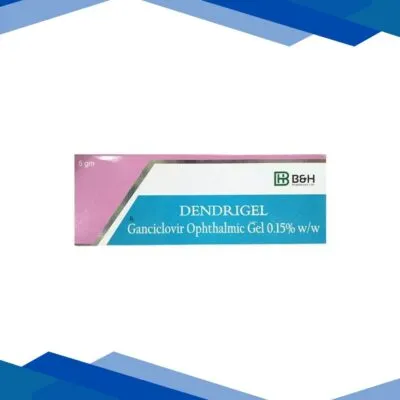
DENDRIGEL Ophthalmic Gel 5gm
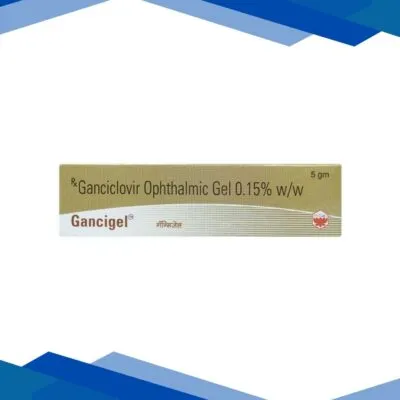
GANCIGEL Ophthalmic Gel 5gm
Ganciclovir: Overview, Uses, and Side Effects
Ganciclovir is a highly potent, prescription antiviral medication specifically engineered to treat severe infections caused by double-stranded DNA viruses, most notably Cytomegalovirus (CMV). It belongs to the nucleoside analogue class of antivirals and is structurally related to acyclovir but exhibits significantly higher activity against CMV.
Mechanistically, ganciclovir is a prodrug that relies on viral enzymes for its activation. Once it enters a virus-infected cell, a viral kinase enzyme (encoded by the CMV gene UL97) phosphorylates ganciclovir into its monophosphate form. Cellular enzymes then convert it into ganciclovir triphosphate. This active compound competitively inhibits viral DNA polymerase and embeds itself directly into the growing viral DNA strand, causing immediate chain termination and halting viral replication.
Key Benefits & Uses
Virologists, transplant specialists, and infectious disease experts prescribe Ganciclovir primarily for immunocompromised individuals, including:
-
Treatment of CMV Retinitis: Managing life-threatening or sight-threatening cytomegalovirus infections of the retina in individuals with advanced acquired immunodeficiency syndrome (AIDS).
-
CMV Disease Prophylaxis in Transplant Recipients: Preventing cytomegalovirus disease in patients receiving solid organ transplants or bone marrow transplants who are at high risk for viral reactivation due to mandatory immunosuppressive therapies.
-
Severe Systemic CMV Infections: Treating congenital CMV in newborns (off-label under strict specialist care) or treating CMV colitis, pneumonitis, and esophagitis in severely immunocompromised adults.
-
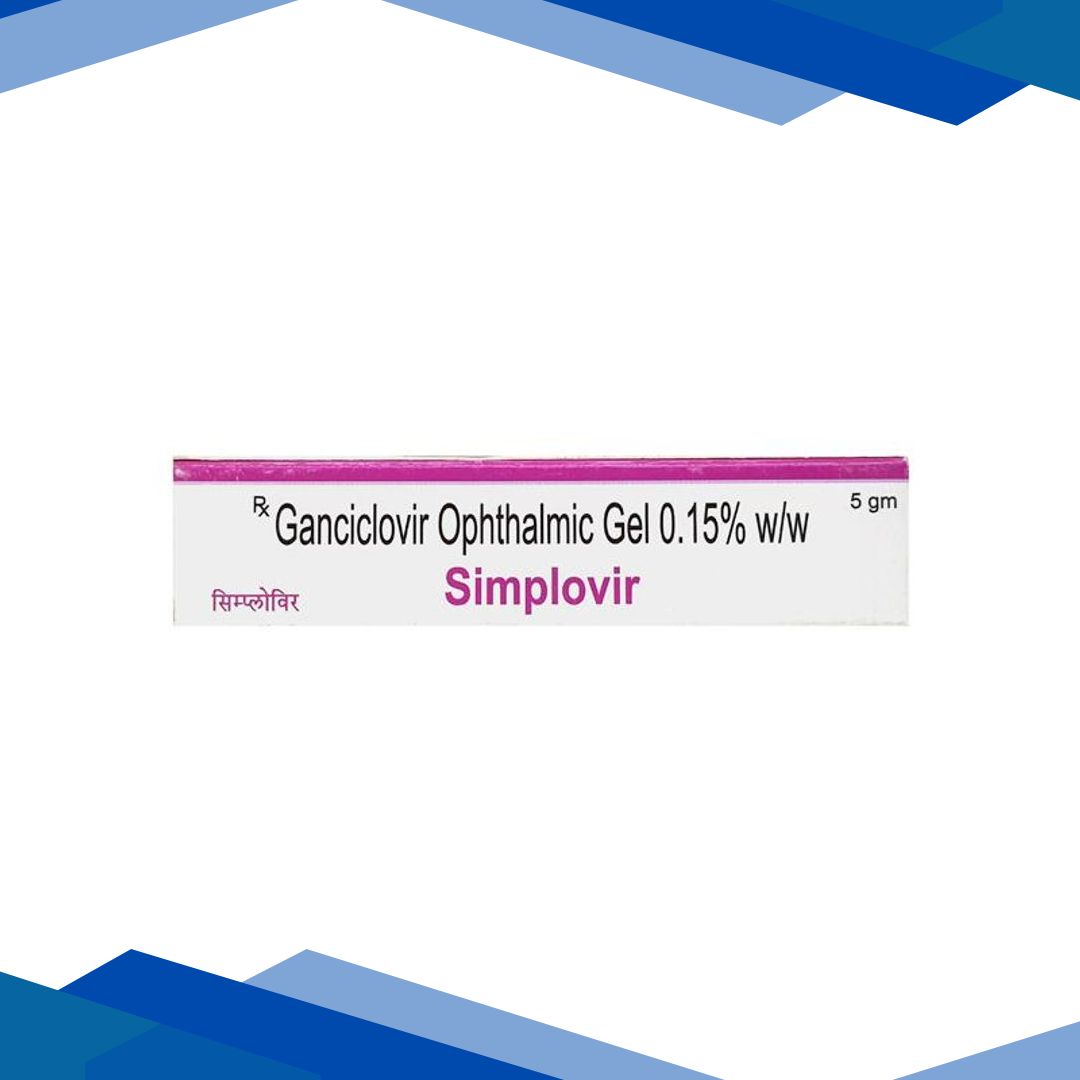
Herpes Simplex Keratitis: Utilized as a specialized topical ophthalmic gel to treat acute superficial eye ulcers caused by the Herpes Simplex Virus (HSV).
How Ganciclovir is Administered
-
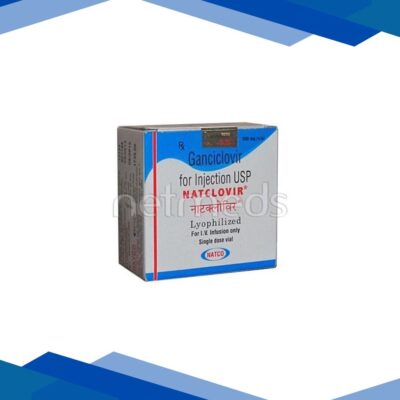
Intravenous Infusion (IV): Systemic ganciclovir must be administered via an intravenous infusion, typically through a central line or a large patent peripheral vein. It must be infused slowly over exactly 60 minutes. Never give it as a rapid intravenous bolus, as high peak concentrations can drastically escalate kidney and central nervous system toxicity.
-
Maintain Aggressive Hydration: Because ganciclovir is cleared entirely by the kidneys through glomerular filtration and tubular secretion, patients must maintain high fluid intake. Adequate hydration ensures continuous urine flow, preventing the drug from precipitating in the renal tubules and causing acute kidney injury.
-
Ophthalmic Gel Instructions: If prescribed the topical eye gel form, apply a small ribbon into the affected eye’s lower conjunctival sac exactly as directed. Do not let the tip of the tube touch your eye, eyelid, or fingers to keep the medication sterile.
-
Hazardous Drug Handling: Systemic ganciclovir is classified as a cytotoxic hazardous material. If tablets are handled or if IV solutions are prepared at home, caregivers should wear disposable gloves and wash hands thoroughly to avoid direct contact or inhalation of the substance.
Safety Advice & Vital Precautions
| Category | Guidance |
| Bone Marrow Suppression | Critical Warning. Ganciclovir can cause severe, sudden myelosuppression. It can trigger deep granulocytopenia (low white blood cells), severe anemia, and thrombocytopenia (low platelets). Complete Blood Counts (CBC) are mandatory every few days. |
| Renal Impairment Dosing | Because ganciclovir is eliminated by the kidneys, patients with pre-existing renal disease or elderly patients must have their doses drastically reduced based on calculated Creatinine Clearance rates. |
| Strict Contraception Required | Ganciclovir is highly mutagenic and teratogenic. Both men and women must utilize effective barrier contraception during treatment. Women must continue contraception for at least 30 days post-treatment, and men must continue it for at least 90 days. |
| Irreversible Infertility | Animal studies indicate that ganciclovir suppresses spermatogenesis and causes ovarian atrophy. Clinicians must advise patients that it may cause temporary or permanent infertility in both males and females. |
Common and Severe Side Effects
Ganciclovir carries a narrow therapeutic index and a high potential for systemic toxicities, requiring close inpatient or outpatient medical monitoring:
-
Fever, chills, and systemic infections (due to low white blood cell counts)
-
Diarrhea, nausea, vomiting, and abdominal pain
-
Headache, increased sweating, and localized injection site inflammation (phlebitis)
-
Mild elevations in blood serum creatinine and liver enzymes
Signs of Severe Toxicity: Discontinue use (if using ophthalmic forms) or contact your healthcare provider immediately if you experience sudden bruising, unusual bleeding from the gums or nose, extreme pale skin, profound fatigue, confusion, tremors, or muscle seizures. These are indicators of critical bone marrow suppression or central nervous system neurotoxicity.
Frequently Asked Questions (FAQs)
Q: What is the difference between Ganciclovir and Valganciclovir?
The primary difference lies in how well they are absorbed by mouth (oral bioavailability). Intravenous ganciclovir must be given via injection because oral ganciclovir caps have poor absorption rates. To solve this, scientists created Valganciclovir, an oral prodrug capsule. Once swallowed, your intestinal and liver enzymes break down valganciclovir into active ganciclovir. Valganciclovir provides the exact same antiviral blood concentrations as an IV infusion, allowing patients to complete their long-term CMV therapy at home without an intravenous line.
Q: Why does my doctor require blood draws twice a week while I am on this medication?
Because ganciclovir directly interferes with DNA replication, it can inadvertently stop the rapidly dividing stem cells inside your bone marrow from producing healthy blood cells. This can lead to a dangerous drop in neutrophils (the white blood cells that fight bacterial infections). If your absolute neutrophil count (ANC) drops below $500\text{ cells/}\mu\text{L}$, or your platelets drop below $25,000\text{ cells/}\mu\text{L}$, your physician will pause the ganciclovir and may administer bone-marrow-stimulating medications like G-CSF to help your blood levels recover.
Q: Can Ganciclovir be taken to cure standard shingles or chickenpox?
No. While ganciclovir does exhibit mild antiviral action against Varicella-Zoster Virus (shingles/chickenpox) and Herpes Simplex Viruses, it carries a high risk of bone marrow toxicity and birth defects. Because of these risks, it is never used for simple or self-limiting viral infections. Safer, highly targeted antivirals like Acyclovir, Valacyclovir, or Famciclovir are preferred for shingles, chickenpox, and oral/genital herpes. Ganciclovir is reserved strictly for severe, sight-threatening, or life-threatening CMV infections.
Q: What should be done if a scheduled intravenous infusion dose is missed?
Because managing cytomegalovirus requires maintaining a constant, unbroken level of antiviral medication in your blood to prevent the virus from mutating or escaping suppression, missing a dose can cause a clinical relapse. If a dose is missed or an IV infusion pump malfunctions, contact your home health nursing team or infectious disease clinic immediately for emergency scheduling instructions. Never attempt to double the infusion speed or run two doses close together, as this can lead to sudden kidney failure or neurological seizures.
Disclaimer: The virological, infectious disease, and pharmacological insights provided on this page are intended strictly for general educational purposes. They cannot replace a personalized, professional medical consultation, diagnosis, or treatment plan from a certified infectious disease specialist, transplant pulmonologist/nephrologist, or physician. Always consult your doctor before modifying any high-potency antiviral prescription routine.