
Showing 1–20 of 32 resultsSorted by popularity
Filter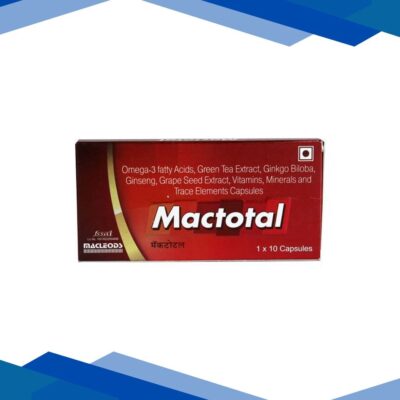
HEMOCARE SENIOR Capsule 15’s
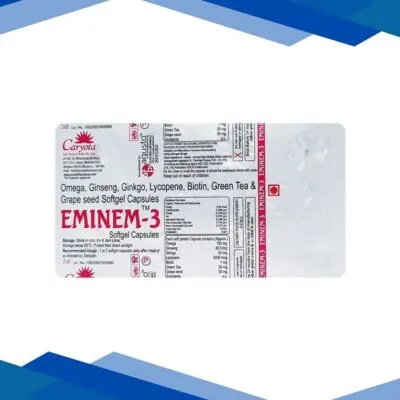
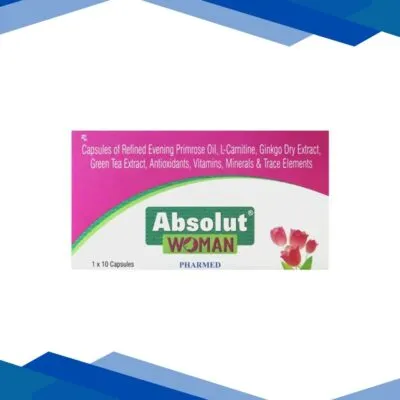
Absolut Woman Capsule 10’S

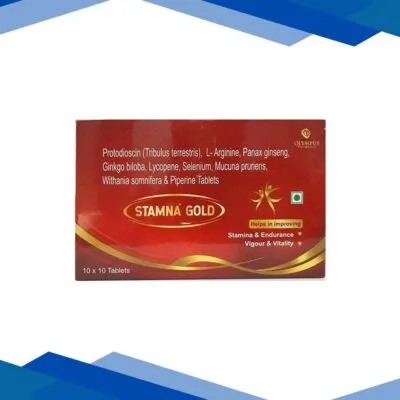
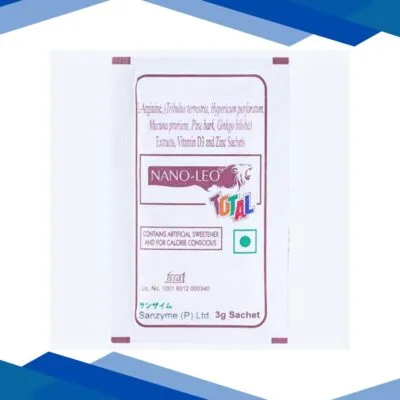
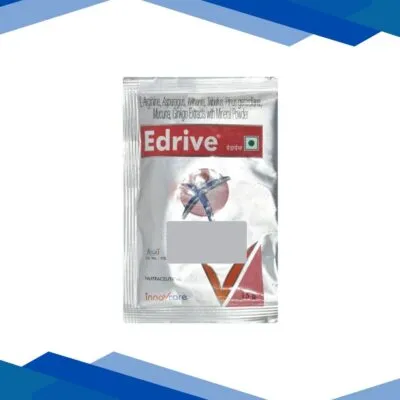
Introduction on Ginkgo Biloba: An Unmatched Ancient Vascular & Cognitive Support
An extract from one of the oldest living plant species, Ginkgo Biloba counters the role of botanical medicine today as it activates blood flow and improves cognitive function. Two active compounds are present in the extract, which are flavonoid glycosides with antioxidant capabilities and terpene lactones that help thin the blood and improve vessel tone. In modern clinical practice, Ginkgo is primarily used for managing symptoms of “cerebral insufficiency”—which is lower-than-normal blood flow to the brain, as well as problems with peripheral circulation, like cold hands and feet and leg pain due to walking.
How Does It Work? “Flow and Protect” Mechanisms
- Microvascular System Boost: Ginkgo helps to relax blood vessels and inhibits Platelet Activating Factor, allowing free movement of oxygen-enriched blood to the smallest capillaries in the brain, ears, and extremities.
- Neuroprotection: This happens because of Ginkgo acting as a strong antioxidant which counteracts free radicals that attack nerve cells; therefore, the substance is being investigated for its role in slowing age-related memory decline.
- Vascular Tone: It allows arteries to maintain their elasticity, ensuring that they can expand and contract effectively throughout the fluctuations of blood flow.
Quick Insights on the Product
PointDetails
Drug CategoryBotanical / Nootropic / Peripheral Vasodilator
Standardized ExtractUsually 24% Flavone Glycosides & 6% Terpene Lactones
Primary UsesMemory Loss, Tinnitus (Ringing in ears), Vertigo
Common Strengths40 mg, 60 mg, 120 mg
OriginGinkgo Biloba Leaf Extract
Key Medical Benefits
- Cognitive Enhancement: Supports focus and short-term memory in elderly patients with mild cognitive impairment.
- Tinnitus & Vertigo: Improves blood flow to the inner ear, which can help reduce the intensity of constant ringing (tinnitus) and balance issues.
- Peripheral Vascular Disease: Helps patients with Intermittent Claudication (cramping pain in legs while walking) by improving oxygen delivery to leg muscles.
- Retinal Health: May support eye health in patients with glaucoma or macular degeneration by increasing ocular blood flow.
Popular Brands in India
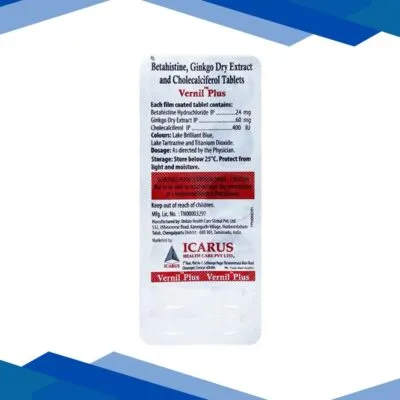
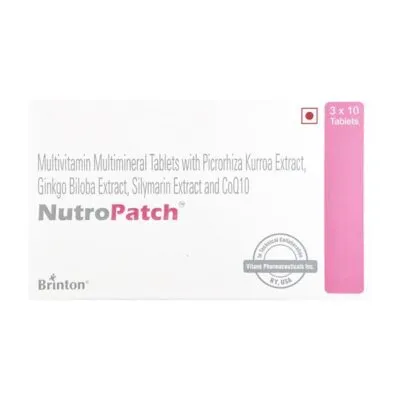
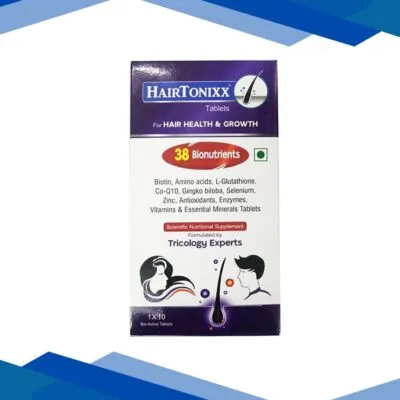
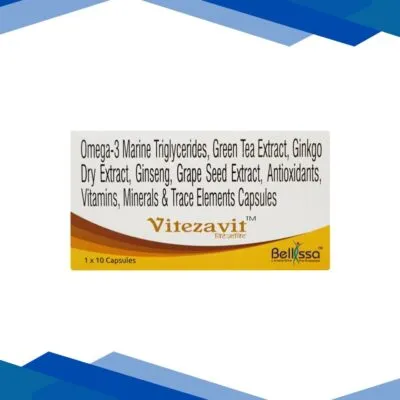
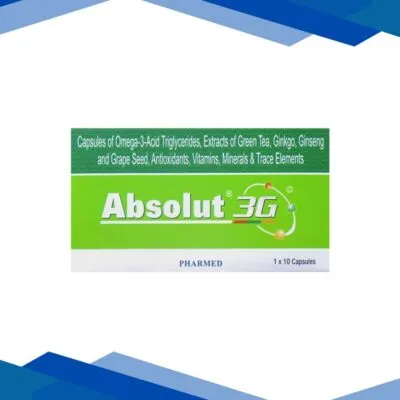
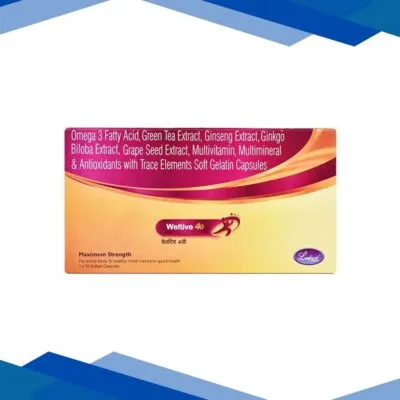
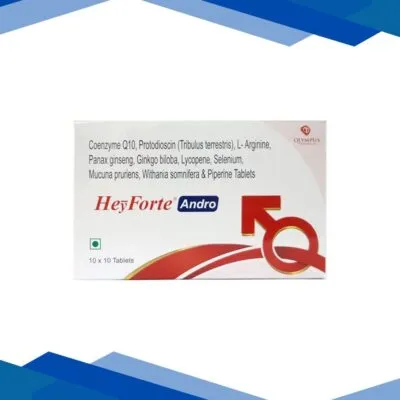
Ginkgo is available in the Indian market as a standalone supplement or mixed with Piracetam or Vinpocetine:
- Ginkocer (Micro Labs)
- Bilovas (Sun Pharma)
- Ginkoba
- Full-24
- HealthKart HK Vitals Ginkgo Biloba
Usage & Safety Guidelines
Patient Tip: Look for the code EGb 761 on labels. This is the standardized extract used in most successful clinical trials. Non-standardized “leaf powder” may not contain enough active compounds to be effective.
Important Precautions:
- Bleeding Risk: Because Ginkgo has natural anti-platelet properties, if you are already taking Aspirin, Warfarin, or Clopidogrel for other conditions, consult your cardiologist before use.
- Surgery: You must stop taking Ginkgo at least 2 weeks before any scheduled surgery (including dental procedures) to prevent excessive bleeding.
- Seizures: Avoid Ginkgo with a history of epilepsy due to the toxin in the seeds (and sometimes in the leaves) causing a lowering of the seizure threshold.
- Diabetes: Ginkgo may interfere with insulin sensitivity. Monitor your blood sugar levels closely if you are on diabetic medication.
Potential Side Effects
Though rare, Ginkgo has side effects like:
- Mild headache or dizziness
- Gastrointestinal upset (nausea or constipation)
- Palpitations (increased heart rate)
- Skin allergic reactions
FAQs
1. Can Ginkgo Biloba be used for sudden memory loss?
Ginkgo is recommended for “gradual” age-related memory decline. If memory symptoms are sudden and severe or you have too confused fast, don’t waste time: Call emergency services.
2. How long does it take to see results?
Botanical extracts typically work more slowly. Most clinical trials suggest it takes about four to six weeks for memory, tinnitus, or leg pain to improve consistently.
3. Does it fatally interact with my antidepressants?
Think carefully. Ginkgo is not for everybody, with certain antidepressants like SSRIs and MAOIs. It is unwise and dangerous to find out the hard way.
4. Can one eat raw Ginkgo seeds?
Absolutely not. Erazine or roasted Ginkgo seeds contain a chemical, thing’A bad for him toxic, causing death or severe seizures. Go for standardized leaf extracts from reputable pharmaceutical companies.
5. Is it okay for a student to take it for optimizing concentration?
While Ginkgo is a nootropic, it is mainly for older adults with issues related to circulation. For young, healthy students, the benefits are mostly mild. Lifestyle factors such as sleeping and diet are more important for focus in younger populations.
Medical Disclaimer: This content is for informational purposes only and is not a substitute for professional medical advice. Always consult a registered medical practitioner before starting a new herbal or vascular supplement.