
Showing all 3 resultsSorted by popularity
Filter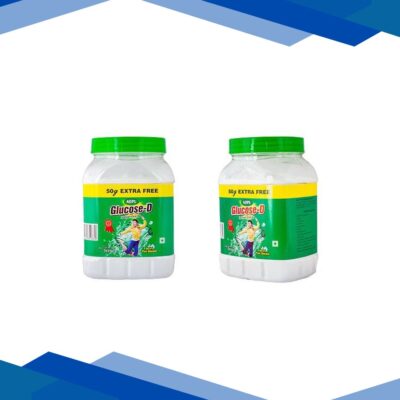
Agrawal Glucose (500 gm + Free 50 gm)
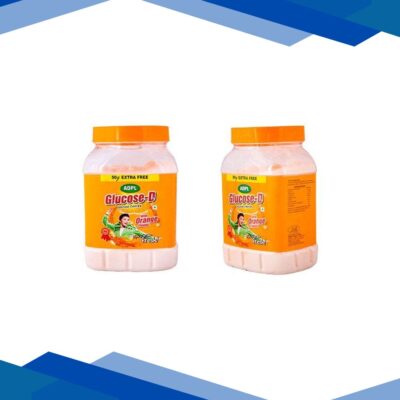
Agrawal Glucose D – Orange (500 gm + Free 50 gm)
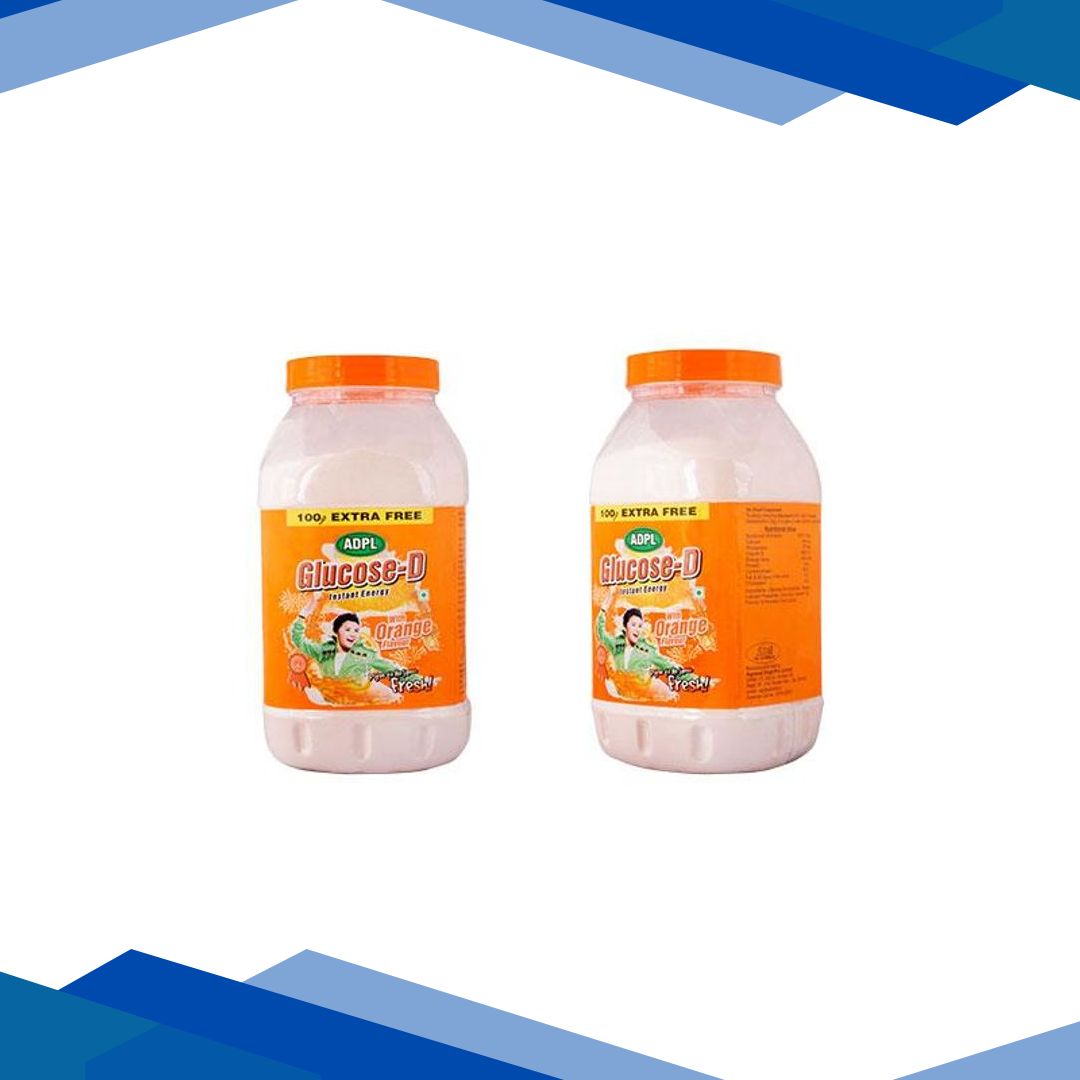
Agrawal Glucose D – Orange (1000 gm + Free 100 gm)
GLUCOSE
Overview
Glucose is a type of natural sugar that your body uses as its main source of energy. It comes from the food you eat—especially carbohydrates like bread, rice, fruits, and sweets. Your body turns this sugar into fuel to help your organs, muscles, and brain work properly.
Classification
Glucose is classified as a simple sugar, also known as a monosaccharide (a single sugar unit). It’s part of the carbohydrate family, which includes other sugars and starches. It is also considered a quick energy source for the body.
Uses
Provides instant energy to the body and brain
Used in IV drips in hospitals to give quick energy to weak or unconscious patients
Helps treat low blood sugar (hypoglycemia) in people with diabetes
Used in sports drinks and energy gels to boost performance during intense exercise
Can be added to food and drinks as a sweetener
How It Works
When you eat, your body breaks down carbs into glucose. This sugar enters your bloodstream and is carried to your cells. A hormone called insulin helps move the glucose into the cells, where it’s used for energy. If your body doesn’t need the energy right away, it stores glucose for later use.
Dosage
As prescribed by your doctor.
Side effects
Glucose is generally safe when taken in the right amount. However, too much can cause:
High blood sugar (hyperglycemia)
Weight gain
Fatigue or frequent urination (if blood sugar stays high)
Increased thirst
In people with diabetes, too much glucose can be dangerous without insulin
Precautions
People with diabetes need to monitor their glucose levels carefully
Too much glucose (especially from sugary foods) can lead to weight gain, tooth problems, or high blood sugar
Low glucose levels (hypoglycemia) can cause dizziness, shakiness, or fainting
If you’re taking glucose supplements or drinks, use them only as needed
Disclaimer
This content is for informational purposes only. Always consult a healthcare provider for medical advice and proper dosage