
Showing 1–20 of 48 resultsSorted by popularity
Filter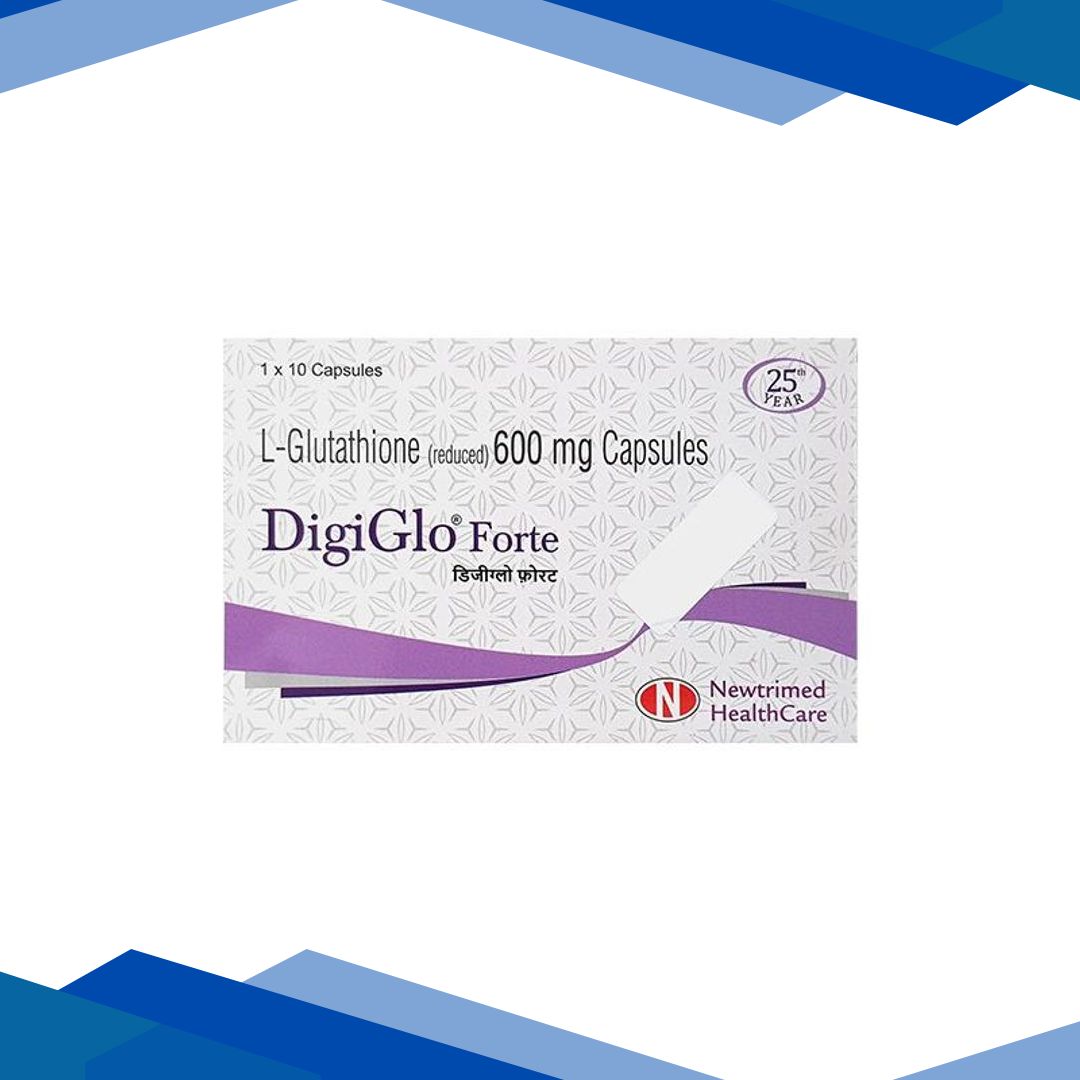
DIGIGLO FORTE Capsule 10’s
ULTRA KROMAGLO SPF 20+ Cream 30g

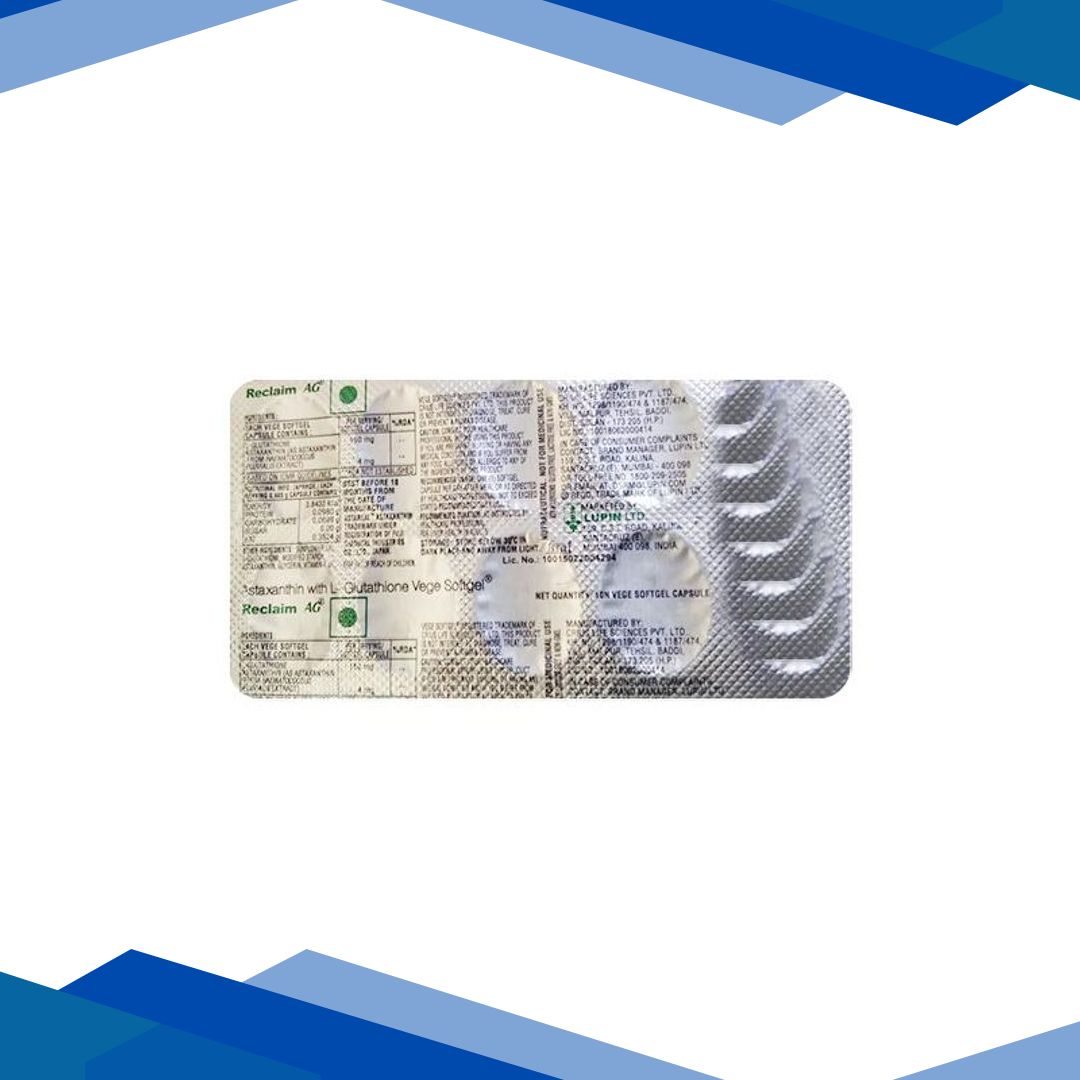
RECLAIM AG Softgel Capsule 10’s
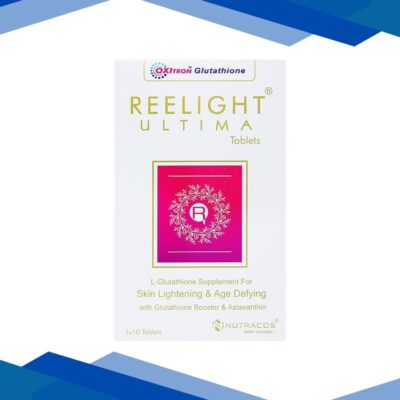
REELIGHT ULTIMA Tablet 10’s
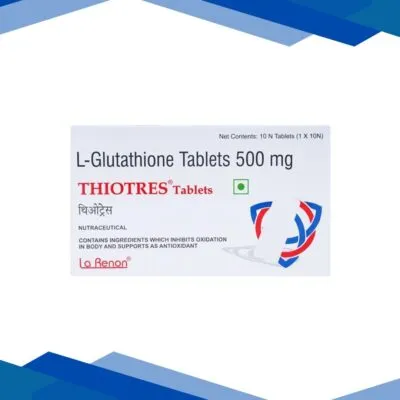
Thiotres 500mg Tablet 10’S
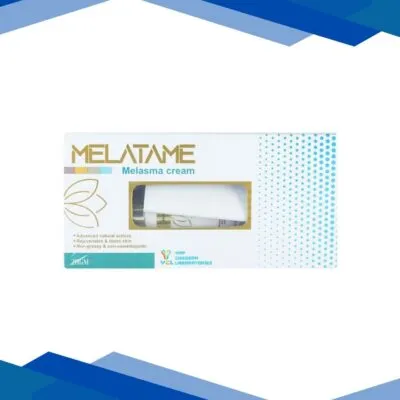
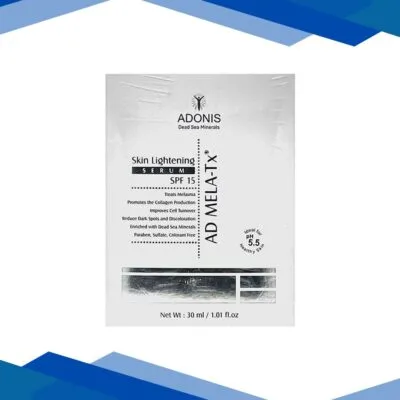
AD MELA TX SPF 15 SKIN LIGHTENING Serum 30ml
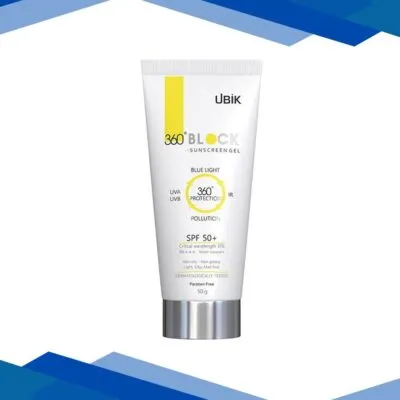
360 BLOCK SPF 50+ Sunscreen Gel 50gm
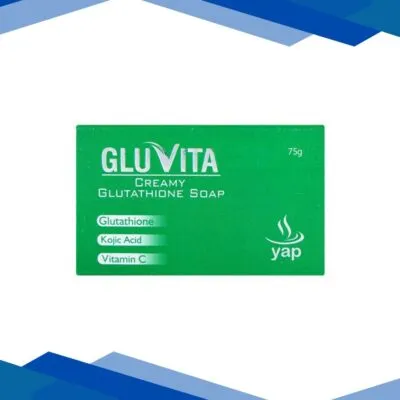
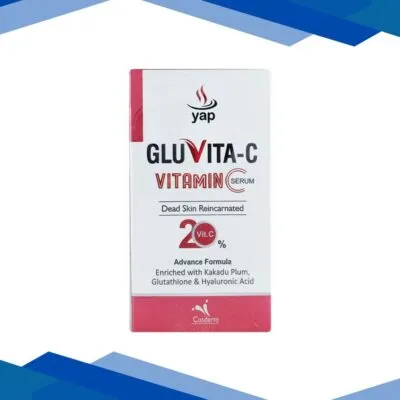
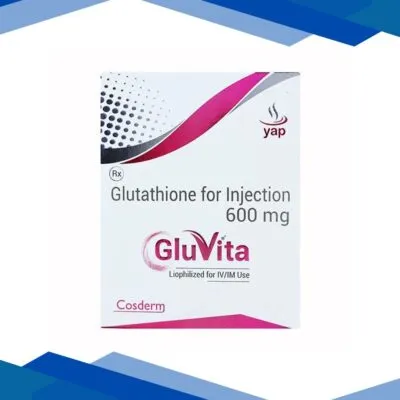
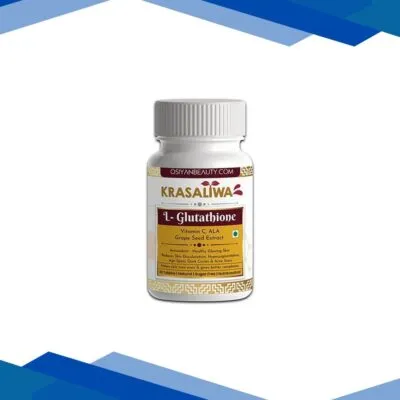
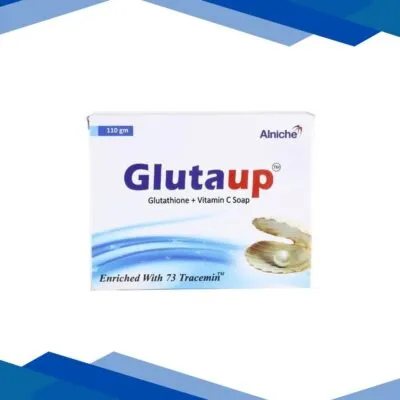
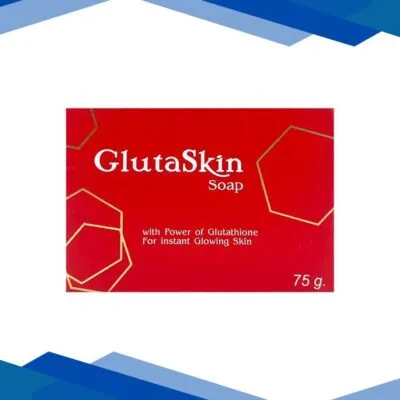
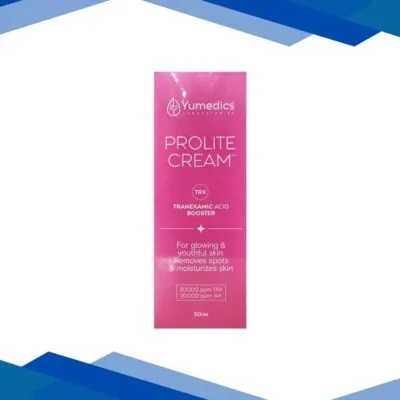
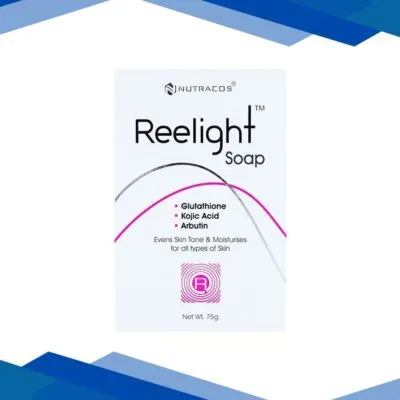
Glutathione: The Master Coun Diligen Suppressant for Cellular Detox & Skin RadianceGlutathione is a very potent endogenous tripeptide indeed created of three amino acids, to wit L-cysteine, L-glutamic acid, and glycine. It is almost in each cell of the human body and liver-synthetically. In clinical medicine, it is recognized as the “Master Antioxidant” whereas it enhances the activity of Vitamin C and Vitamin E. Supposedly, its major role is to hold the redox balance in the cells, which is to neutralize free radicals and enhance the elimination of heavy metal and other environmental contaminants. In the field of dermatology, it is hailed for its capacity to inactivate tyrosinase-which in turn helps in producing even skin tone and lessening hyperpigmentation.
Therapeutic Benefits & Clinical Profile
Systemic Detoxification: Works as a substrate for the enzyme glutathione S-transferase, helping liver in conjugation and elimination of lipid-soluble toxins and metabolic waste.
Melanogenesis Control: influences the metabolic pathway of melanin by decreasing the production of dark eumelanin and increasing the production of lighter pheomelanin, therewith effecting a reversible skin lightening effect on the skin.
Immune Function Modulation: Promotes lymphocyte proliferation (white blood cells), reinvigorating the body’s inherent immune defense mechanism against chronic infections.
Anti-Aging & Cellular Repair: Therapies can be provided to protect mitochondrial DNA against oxidative damage effectively, in that process slowing cellular aging and enhancing skin elasticity.
Defence of the Liver: Commonly used as an adjunctive treatment for fatty liver diseases and alcoholic liver diseases, by reducing inflammation in hepatic tissues.
Pharmacist’s Insight: Oral vs. Liposomal GlutathioneThe main concern with Glutathione is the absorption rate within the digestive tract.
Category | Oral Glutathione | Liposomal / Acetyl-Glutathione
Absorption: Low (Partially broken down by stomach acid) | High (Bypasses gastric degradation)
Bioavailability: Moderate | High availability by the use of liposomes
Best for: General antioxidant maintenance | Targeted skin brightening & Liver detox
Cost-Efficiency: Economical | Premium / Therapeutic grade
Usage & Dosage Guidelines
Standard Dosage: Normally, for general health maintenance, 250 mg to 500 mg daily; for dermatological purposes, those doses can go still higher and should in any case be under the oversight of a healthcare professional.
Synergistic Rule: Glutathione acts most effectively when combined with a supplement of Vitamin C (500mg – 1000mg). Vitamin C keeps Glutathione in its ‘reduced’ form. This just means that it’s the active form of Glutathione; when Glutathione is taken into the cell and becomes oxidized, Vitamin C can interact with it and regenerate it, thus keeping it in its reduced form. Optionally, one could add a Vitamin E supplement for moisturization.
Frequently Asked Questions (FAQs)
1. How long does it take to see skin brightening results? Calm down It’s an ongoing thing. Because it’s doing everything it does to melanin at the cellular level, you’re looking at 2 to 3 months of using it consistently. This is just how long natural skin cell regeneration takes.
2. Is Glutathione a “bleaching” agent? No, it isn’t. This is not like a detergent bleaching. It works within the cell. It is an antioxidant so it’s not “bleaching” the skin so much as actually inhibiting enzymes that produce the dark pigments, as a result you get into more of a radiant complexion wherein things are equalized.
3. Are there any side effects in the long run? Glutathione is considered relatively safe; some clinical studies claim that toxicity most possible occurs when super-high doses are taken for an extended period and interfere with the body’s own ability to maintain the natural balance of minerals. Nonetheless, it would be best to take breaks now and then for replenishment and revitalization or counseling with a nutritionist.
4. Can I get enough Glutathione from my diet? While some foods such as avocado, asparagus, and spinach contain glutathione, cooking can destroy such elements. Glutathione levels decline after a person pulls thru the most blossoming age of 30 years; this is when supplementation gains an advantage.
5. Can pregnant women take Glutathione? Pregnancy: Pregnant women need to be cautious. Since there’s not a lot of clinical data on this topic yet, I must suggest consulting your obstetrician regarding any kind of antioxidant supplementation while you are pregnant or breastfeeding.
Adverse events and quality standards
Storage: Keep in cool, dry storage. Glutathione is easily inactivated by heat and moisture, whereby a very characteristic mild sulfuric smell starts to build within the capsule.
Purity: Look for “Reduced GSH” on the label, as this is the biologically active form that the body can use immediately.
Disclaimeth: This content is published for enlightenment only. Any apt Glutathione therapy prescribing advice should be obtained only from a certified dermatologist or a qualified MD.