
Showing all 4 resultsSorted by popularity
Filter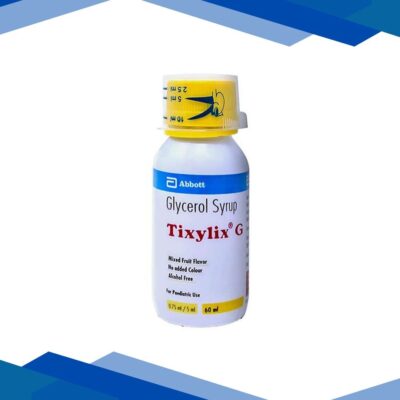
TIXYLIX G MIXED FRUIT FLAVOR Syrup 60ml
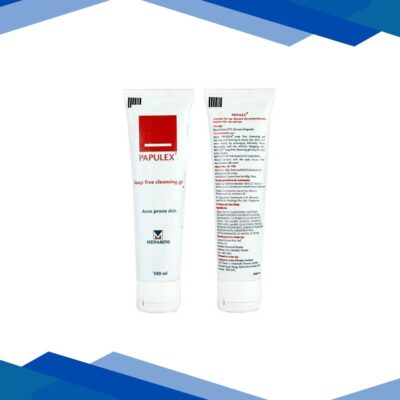
Papulex Soap Free Cleansing Gel 100ml

CELEPID MCT LCD 20% Infusion 250ml

Glycerol: Overview, Uses, and Side Effects
Glycerol (commonly known as Glycerin or Glycerine) is a naturally occurring, simple polyol compound. It is a sweet-tasting, odorless, colorless, and viscous (thick) liquid that forms the structural backbone of all triglycerides (fats) found in plant and animal tissues.
Chemically, glycerol is a trihydroxy alcohol ($C_3H_8O_3$). Its most notable physical characteristic is its extreme hygroscopicity—it acts as a powerful humectant, meaning it has a unique molecular capacity to attract, bind, and hold onto water molecules from its surrounding environment. In clinical medicine, pharmaceuticals, and dermatology, glycerol is utilized as an osmotic laxative, an intraocular pressure reducer, a skin protectant, and a highly versatile drug delivery vehicle.
Key Benefits & Uses
Physicians, dermatologists, and pharmacists utilize glycerol across several distinct therapeutic areas:
-
Rapid Relief from Constipation: Administered rectally as a suppository or micro-enema. It works via hyperosmotic action, drawing water directly into the lower bowel to soften hard stool while gently lubricating and irritating the rectal lining to stimulate a predictable bowel movement within 15 to 30 minutes.
-
Dermatological Hydration & Skin Barrier Repair: Functioning as a premium humectant in topical creams and lotions. Glycerol draws moisture from the deeper layers of the skin (and the air) into the outer stratum corneum layer, preventing dehydration, soothing eczema, and accelerating the healing of minor skin tears.
-
Reducing Elevated Intracranial & Intraocular Pressure: Administered orally or intravenously in emergency clinical settings to rapidly dehydrate tissues. By creating an osmotic gradient in the blood, it draws excess fluid out of the brain or the eyes, helping to manage acute glaucoma attacks or cerebral edema.
-
Pharmaceutical Solvents & Cough Syrups: Serving as a thick, soothing vehicle in liquid medications. Because of its sweet taste and viscous texture, it coats inflamed throat tissues to ease ticklish coughs while keeping active drug ingredients fully dissolved and stable.
How to Use Glycerol Formulations Correctly
-
For Rectal Suppositories (Constipation): Wash your hands thoroughly. Remove the wrapper and moisten the tip of the suppository with cold water to lubricate it. Lie on your left side with your right knee bent, and gently insert the suppository high up into the rectum. Try to remain lying down and hold the suppository in place for at least 15 to 20 minutes until you feel a strong urge to pass stool.
-
For Topical Creams (Skincare): Apply glycerol-fortified moisturizers to skin that is slightly damp (such as immediately after a shower or bath). This gives the humectant molecules immediate surface water to lock into your skin barrier.
-
For Oral Medical Liquids: If prescribed a medical-grade oral glycerol solution for ocular pressure, consume it exactly as directed by your physician. It is often mixed with unsweetened juice to improve palatability, as concentrated oral glycerol can taste intensely sweet.
Safety Advice & Vital Precautions
| Category | Guidance |
| Laxative Dependency | Important Rule. Glycerol suppositories are intended strictly for short-term, occasional relief of acute constipation. Relying on them daily can cause your bowel to lose its natural muscle tone, leading to laxative dependence. |
| Dehydration & Electrolytes | When taken orally or intravenously at high therapeutic doses for pressure reduction, glycerol causes a heavy diuretic effect. It must be carefully monitored in patients with heart, kidney, or liver disease to prevent dehydration. |
| Pure Glycerin Skin Hazard | Never apply 100% pure, undiluted glycerin directly to your face or dry skin. Because it is highly hygroscopic, if there is no moisture in the air, it will actively suck water out of your deep skin layers, worsening dry skin. Always dilute it with water or rosewater. |
| Pregnancy & Lactation | Rectal and topical glycerol are minimally absorbed systemically and are widely considered safe for pregnant or breastfeeding individuals. Oral or IV protocols should be evaluated by a physician. |
Common Side Effects
Glycerol is exceptionally safe and biocompatible, holding a non-toxic profile across global health registries. However, localized reactions can occur depending on the route of administration:
From Rectal Use (Suppositories):
-
A brief burning sensation or mild stinging in the rectum
-
Localized rectal irritation or redness
-
Mild abdominal cramps or gurgling
From Topical Use (Skincare):
-
A temporary sticky or tacky feeling on the skin
-
Mild redness if applied to broken, deeply cracked, or highly sensitive skin
When to speak with a healthcare provider: Discontinue rectal use if you experience persistent rectal bleeding, severe cramping, or failure to pass a stool after use, as this may point to a deeper structural bowel blockage.
Frequently Asked Questions (FAQs)
Q: How fast do glycerol suppositories work compared to oral laxatives?
Glycerol suppositories work significantly faster than oral laxatives. While oral stool softeners or osmotic powders can take anywhere from 12 to 72 hours to travel through your entire digestive tract, a rectal glycerol suppository targets the localized blockage directly. It typically melts down at body temperature and induces a smooth bowel movement within 15 to 30 minutes of insertion, making it an excellent option for immediate relief.
Q: What is the main difference between Glycerol, Vegetable Glycerin, and Dietary Carbs?
Chemically, they are the same molecule. Glycerol is the official scientific term used in pharmacology and medicine. Glycerin/Glycerine is the commercial name used in the skincare and cosmetics industry. Vegetable Glycerin simply specifies that the compound was derived from plant oils (like palm, soy, or coconut) rather than animal fats or synthetic petroleum. Nutritionally, glycerol is classified as a carbohydrate alcohol; it contains calories but does not cause the same rapid spikes in blood sugar as refined table cane sugar.
Q: What should I do if a glycerol suppository doesn’t work?
If a suppository fails to produce a bowel movement within an hour, do not immediately insert another one. Forcing repeated bowel irritation can lead to rectal soreness or inflammation. Ensure you are drinking plenty of fluids to help soften the stool from the inside out. If you go more than 2 to 3 days without a bowel movement or experience sudden, severe stomach pain, contact your doctor for a formal evaluation.
Q: Why is glycerin found in so many clear, transparent bar soaps?
Standard industrial soap-making processes usually strip out natural glycerin to sell it for premium pharmaceutical use. However, specialized transparent bar soaps are manufactured to retain a very high concentration of glycerin (often labeled as “glycerin soap”). The high humectant content gives the soap its clear appearance and makes it exceptionally gentle and non-drying, as it helps preserve your skin’s natural oils rather than stripping them away during washing.
Disclaimer: The pharmacological, dermatological, and gastroenterological insights provided on this page are intended strictly for general educational purposes. They cannot replace a personalized, professional medical consultation, diagnosis, or treatment plan from a certified physician, dermatologist, or gastroenterologist. Always consult your doctor before beginning or altering any clinical medication routine.