
Showing 1–20 of 98 resultsSorted by popularity
Filter
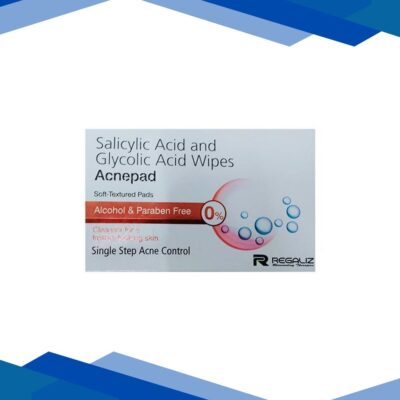
ACNEPAD Soft Textured Pad Wipes 50’s
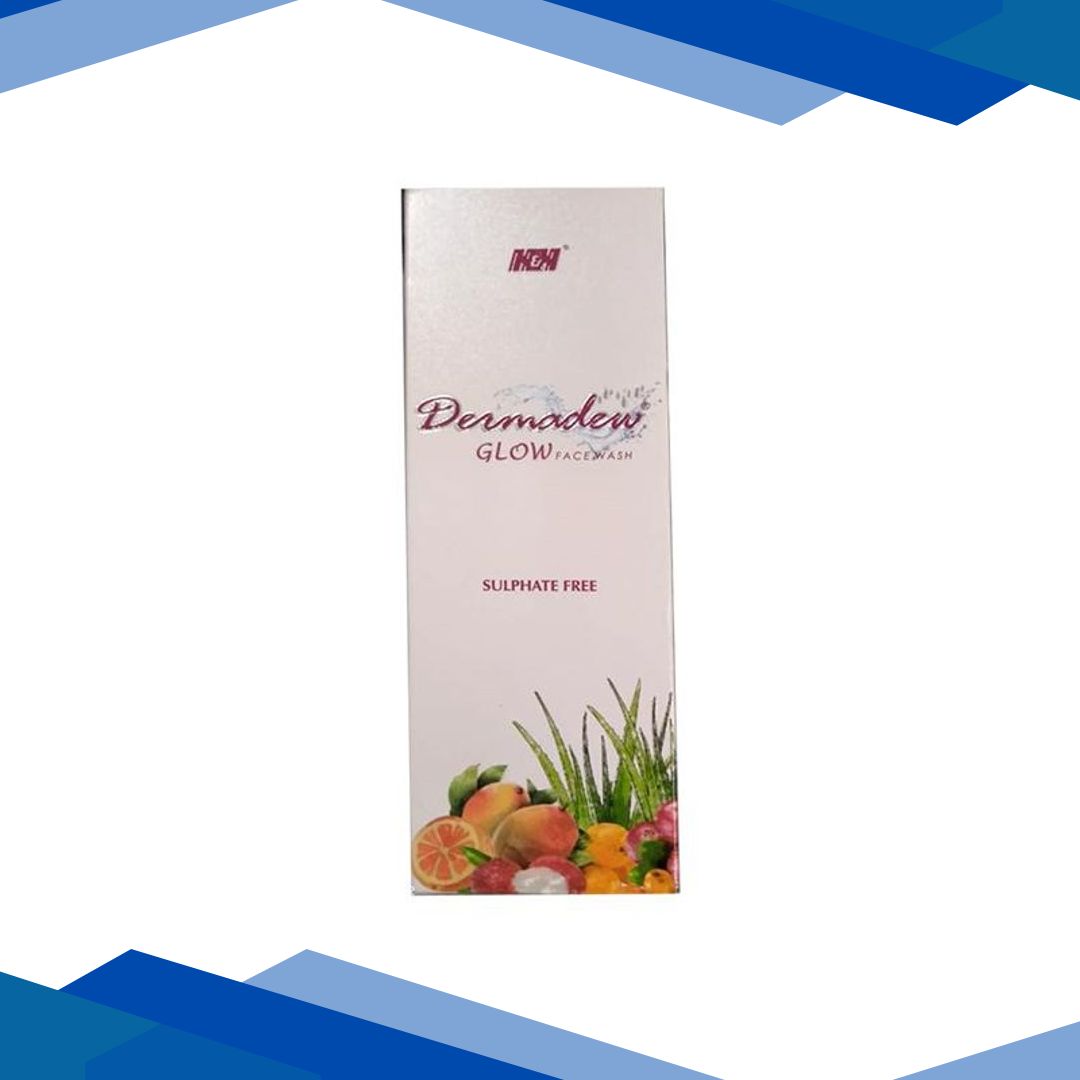
DERMADEW GLOW Face Wash 100ml
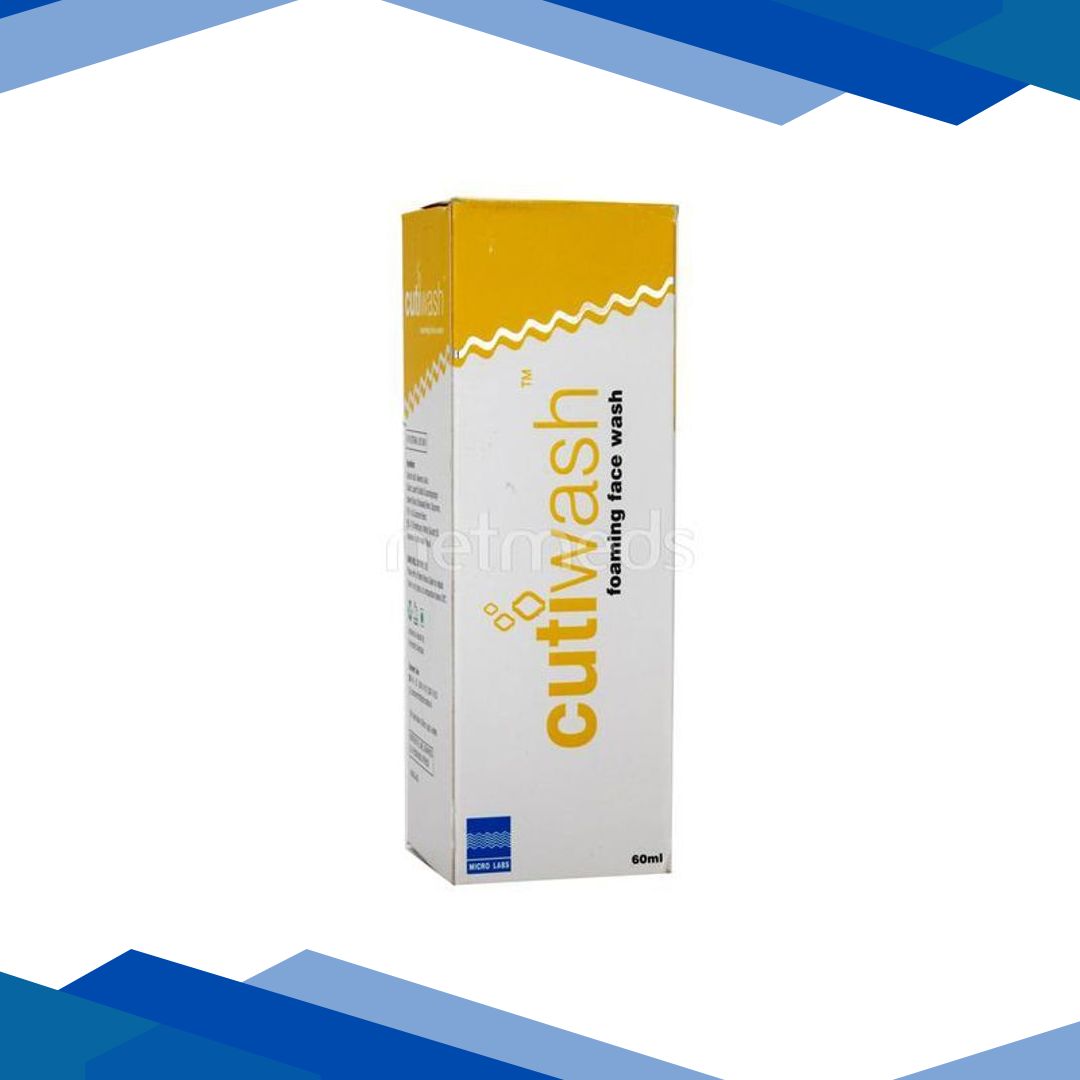
Cutiwash Foaming Face Wash 60ml
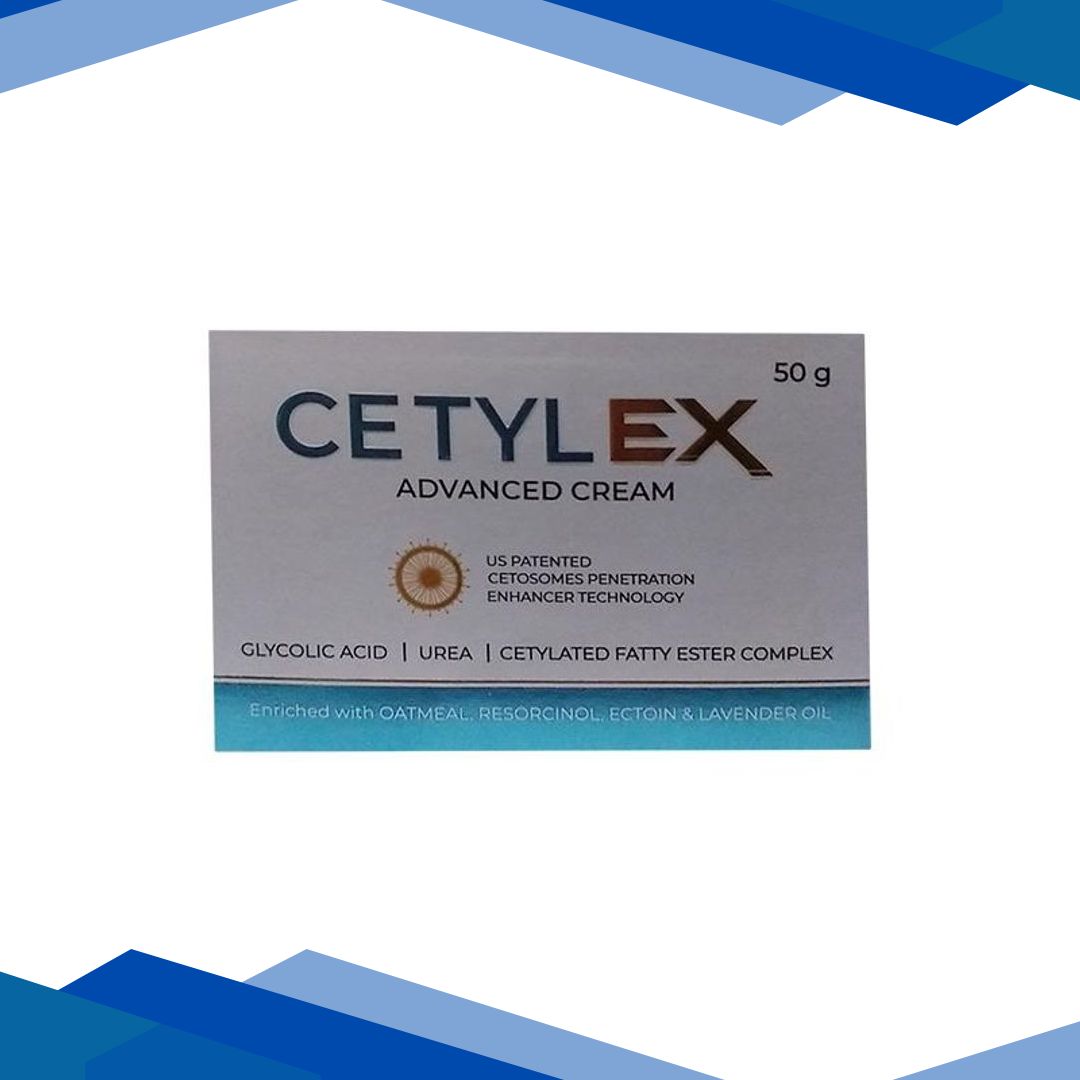
CETYLEX ADVANCED Cream 50gm
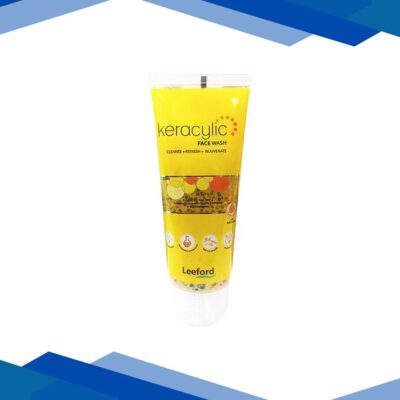
KERACYLIC WITH SALICYLIC ACID Face Wash 70g
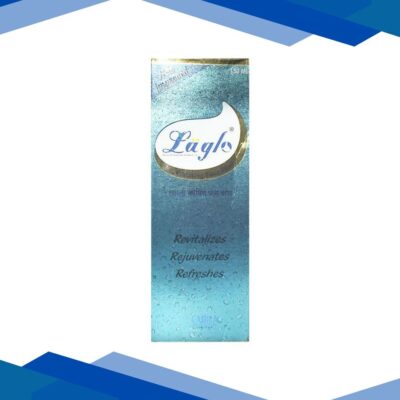
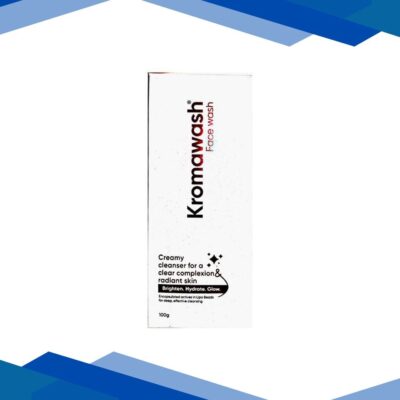
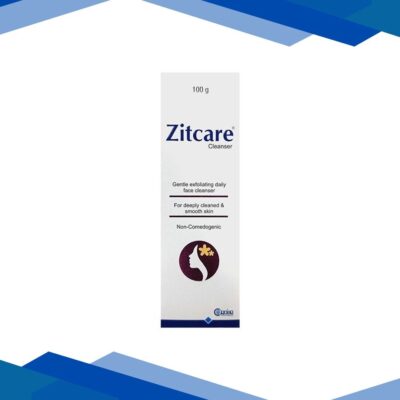
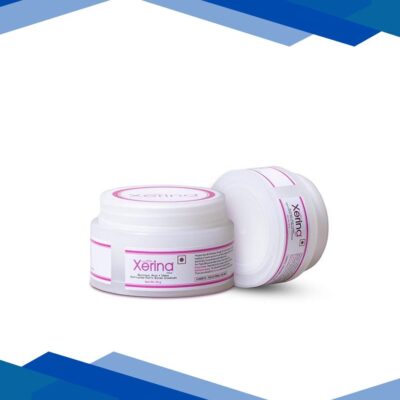
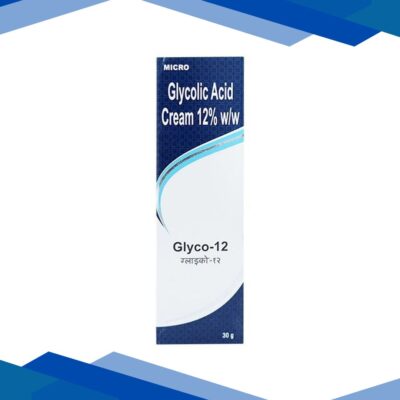
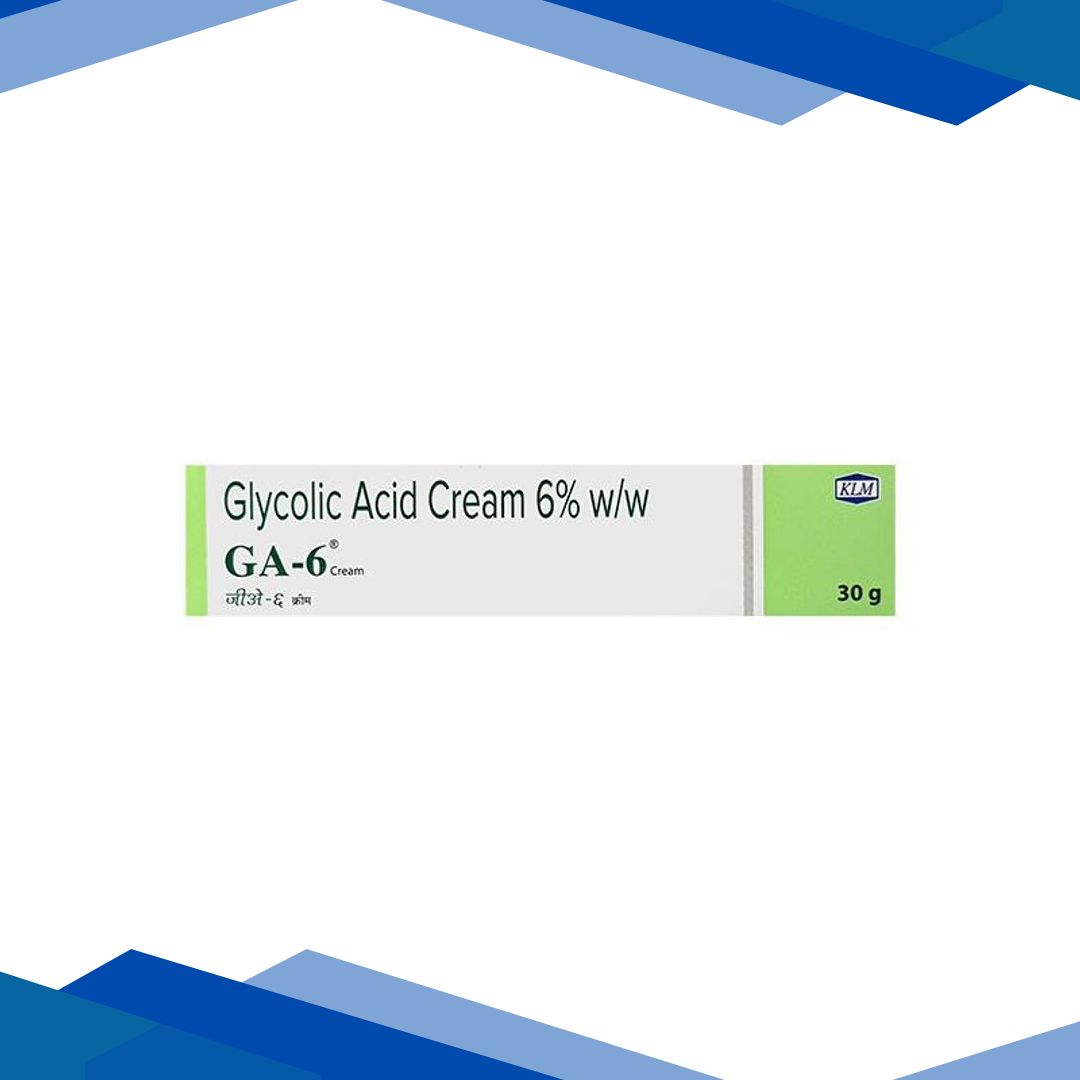
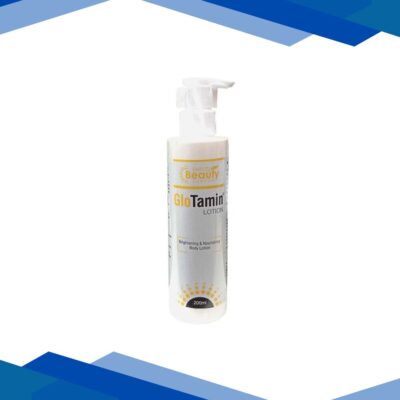
GLOTAMIN BRIGHTENING & NOURISHING BODY Lotion 200ml
Tonenglo Face Wash Gel 50gm
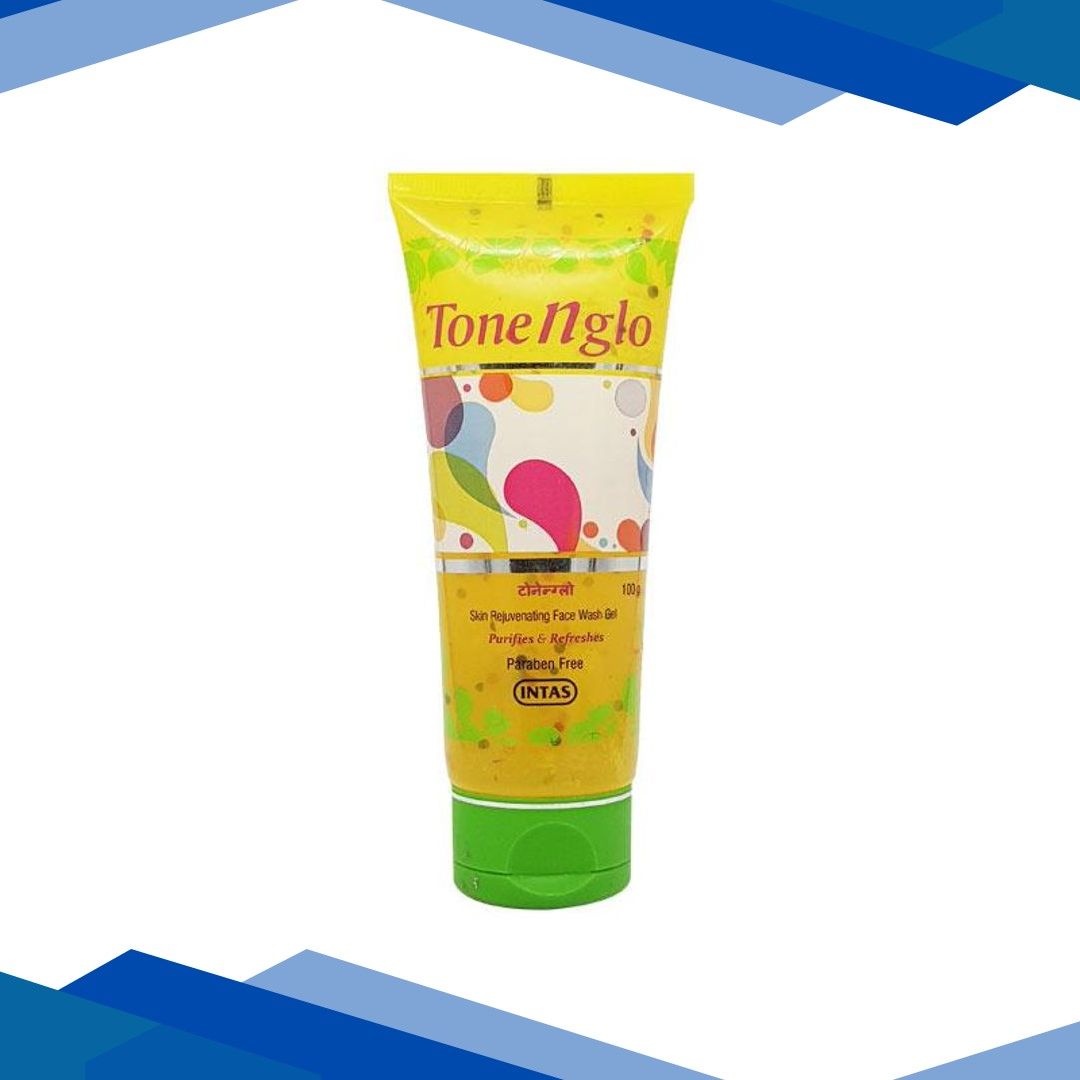
Tonenglo Face Wash Gel 100gm
LUMIQUE ILLUMINATING Face Mask 50ml
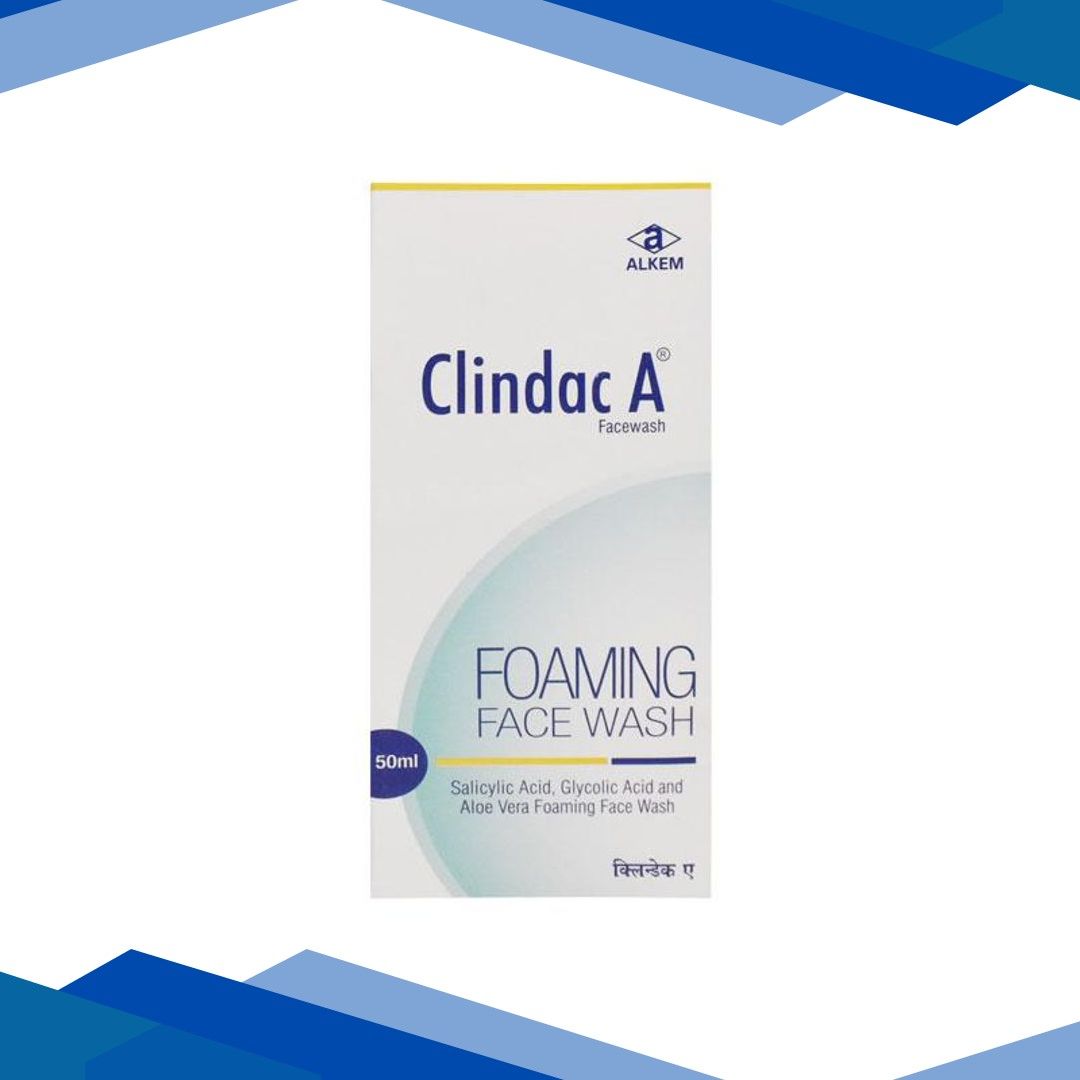
Glycolic Acid: Clinical Excellence in Epidermal Resurfacing
Glycolic Acid is a highly effective Alpha Hydroxy Acid (AHA) traditionally derived from sugarcane. Among all AHAs, Glycolic Acid has the smallest molecular size, which allows it to penetrate the skin barrier more deeply and more rapidly than Lactic or Mandelic acids. When used clinically in dermatology, it acts as a keratolytic agent, meaning it dissolves the “intercellular glue” (desmosomes) holding dead skin cells to the surface, thereby initiating increased cellular turnover and revealing a smoother, more even-toned epidermal layer.
Therapeutic Benefits & Clinical Profile
Treatment of Hyperpigmentation: It will effectively target melasma, post-inflammatory hyperpigmentation (PIH), and sunspots by breaking apart any melanin clusters within the basal layer.
Acne Management: With a notable reduction in the formation of comedones (blackheads and whiteheads) by impeding any accumulation of dead skin cells (keratinization) within the pore walls.
Anti-Aging & Collagen Support: It stimulates fibroblasts to synthesize collagen and elastin, provided that concentrations are high enough to reduce the appearance of fine lines.
Textural Refinement: The compounds are well suited for the treatment of Keratosis Pilaris (rough bumps on arms and legs) because it softens the keratin plugs in hair follicles.
Enhanced Absorption: It works as a “pathway” for other actives, such as Vitamin C or Hyaluronic Acid, to work more effectively by clearing away the barrier of dead cells.
Pharmacist’s Comparison: Glycolic Acid (AHA) vs. Salicylic Acid (BHA)
Feature | Glycolic Acid (AHA) | Salicylic Acid (BHA)
Solubility | Water-soluble | Oil-soluble
Primary Action | Surface Exfoliation & Anti-aging | Deep Pore Cleansing
Best For | Sun damage, dry skin, fine lines | Oily skin, active acne, blackheads
Molecular Size | Smallest (Deep penetration) | Large (Stays in the pore)
Usage & Safety Protocol
Concentration Matters: Concentrations of between 5–10% for daily home use are recommended. Concentrations over 30% are intended for “professional peels” and should only be administered by certified dermatologists.
The “Purging” Phase: It is common for the skin to experience a minor breakout when beginning Glycolic Acid. This purging period is the accelerated clearance of congestion lying beneath the skin.
Application: Always apply on a dry skin surface after cleansing; applying on damp skin allows rapid absorption of AHAs and may lead to irritations or “chemical stings.”
Frequently Asked Questions (FAQs)
1. Can I use Glycolic Acid every day? The everyday use of Glycolic Acid depends on skin tolerance. Begin 2–3 times a week and gradually increase up to daily use at night. If skin turns red, peels, or stings excessively, reduce frequency.
2. Why is sunscreen mandatory with Glycolic Acid? The acid removes the top layer of dead skin and exposes “baby” skin that is highly prone to UV damage. Therefore, a Broad-Spectrum SPF 30+ is essential to prevent further hyperpigmentation.
3. Can I use Glycolic Acid with Retinol? Use with caution. Both are strong actives that increase cell turnover and may disrupt the skin barrier if used together. Glycolic Acid is typically used with SPF in the morning, and Retinol at night, or on alternating nights.
4. Does it help with acne scars? Yes. It helps with flat red or brown marks (PIH/PIE). However, deep pitted or ice-pick scars usually require professional clinical treatments.
5. Is a tingling sensation normal? A slight tingling sensation is normal due to the low pH of the acid. If it becomes a burning sensation or is accompanied by persistent redness, wash it off immediately.
Safety & Storage Information
Storage: Keep the bottle tightly closed in a cool, dark place. Exposure to air and light can degrade potency over time.
Patch Test: Always test on a small area behind the ear or inner forearm for 24 hours before full-face use.
Disclaimer: This information is for educational purposes only. Avoid contact with eyes and mucous membranes. If you have active eczema or rosacea, consult a dermatologist before use.
Glycolic Acid: Clinical Excellence in Epidermal Resurfacing
Glycolic Acid is a highly effective Alpha Hydroxy Acid (AHA) traditionally derived from sugarcane. Among all AHAs, Glycolic Acid has the smallest molecular size (76.05 g/mol), which allows it to penetrate the skin barrier more deeply and rapidly than Lactic or Mandelic acids. In clinical dermatology, it is used as a keratolytic agent, dissolving “intercellular glue” (desmosomes) that binds dead skin cells on the surface. This process speeds up cellular turnover to expose a smoother and more even-toned epidermal layer.
Therapeutic Benefits & Clinical Profile
Treatment of Hyperpigmentation: It effectively addresses melasma, post-inflammatory hyperpigmentation (PIH), and sunspots by breaking up melanin clusters within the basal layer.
Acne Management: By preventing buildup of dead skin cells (keratinization) within pores, it reduces formation of comedones (blackheads and whiteheads).
Anti-Aging & Collagen Support: At appropriate concentrations, it stimulates fibroblast activity, increasing collagen and elastin production to reduce fine lines.
Textural Refinement: It helps with Keratosis Pilaris (rough bumps on arms/legs) by softening keratin plugs in hair follicles.
Enhanced Absorption: It acts as a “pathway” for actives like Vitamin C or Hyaluronic Acid by removing the occlusive layer of dead cells.
Pharmacist’s Comparison: Glycolic Acid (AHA) vs. Salicylic Acid (BHA)
Feature | Glycolic Acid (AHA) | Salicylic Acid (BHA)
Solubility | Water-soluble | Oil-soluble
Primary Action | Surface Exfoliation & Anti-aging | Deep Pore Cleansing
Best For | Sun damage, dry skin, fine lines | Oily skin, active acne, blackheads
Molecular Size | Smallest (Deep penetration) | Large (Stays in the pore)
Usage & Safety Protocol
Concentration Matters: Concentrations between 5%–10% are best for home use. Above 30% falls under professional peel category and must be performed by certified dermatologists.
“Purging” Stage: Mild breakouts may occur initially due to accelerated clearing of underlying congestion.
Application: Apply only on dry skin after cleansing; damp skin can increase penetration and cause irritation or chemical stinging.
Frequently Asked Questions (FAQs)
1. Can I use Glycolic Acid every day? Start 2–3 times weekly and gradually increase based on tolerance. Stop or reduce if irritation occurs.
2. Why is sunscreen mandatory with Glycolic Acid? It exposes fresh skin that is highly UV sensitive; SPF 30+ is essential to prevent pigmentation damage.
3. Can I use Glycolic Acid with Retinol? Not together in the same routine. Use on alternate nights or separate morning/night routines with sunscreen protection.
4. Does it help with acne scars? Effective for PIH/PIE marks; deep scars require clinical procedures.
5. Is a tingling sensation normal? Mild tingling is normal; burning or persistent redness requires immediate removal.
Safety & Storage Information
Storage: Store tightly closed in a cool, dark place away from light and air exposure.
Patch Test: Perform a 24-hour patch test before full use.
Disclaimer: Informational content only. Avoid eyes and mucous membranes. Consult a dermatologist if you have eczema or rosacea.