

Showing all 15 resultsSorted by popularity
Filter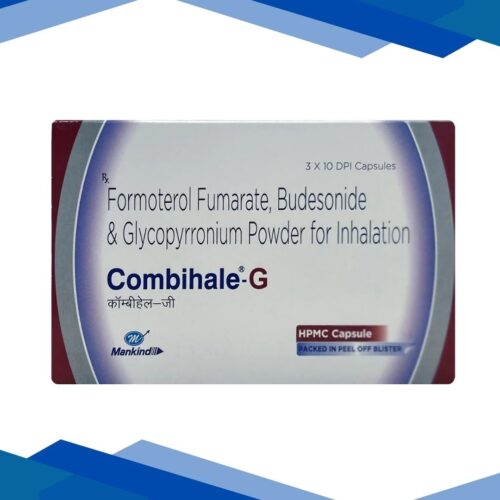
COMBIHALE G DPI Capsule 10’s
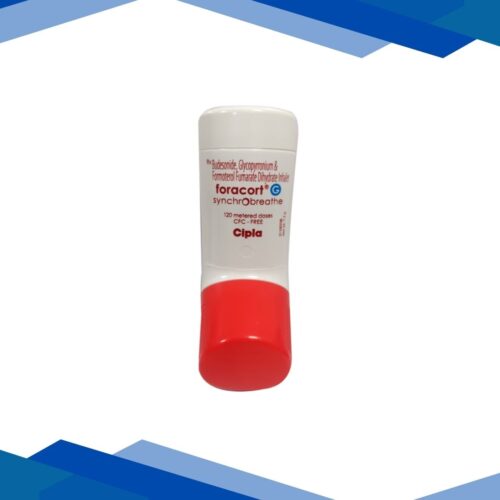
FORACORT G SYNCHROBREATHE WITH DOSE COUNTER 120md Inhaler 7.2g
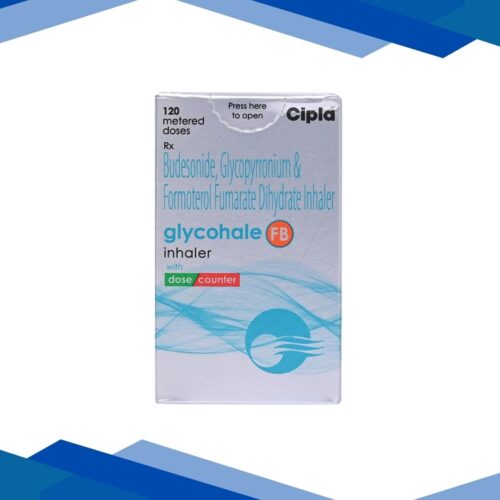
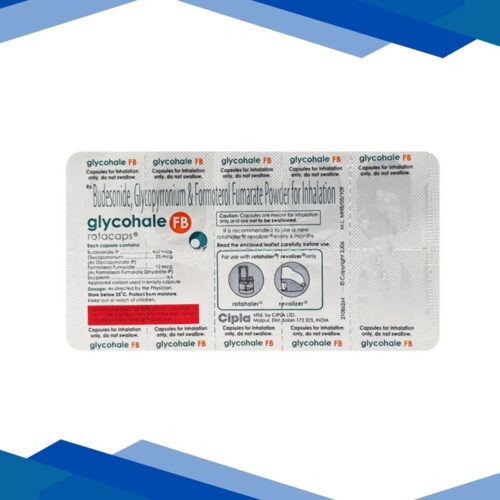
GLYCOHALE FB with dose counter Inhaler 120md
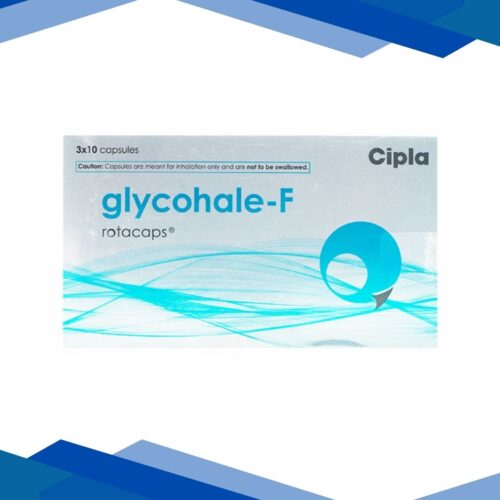
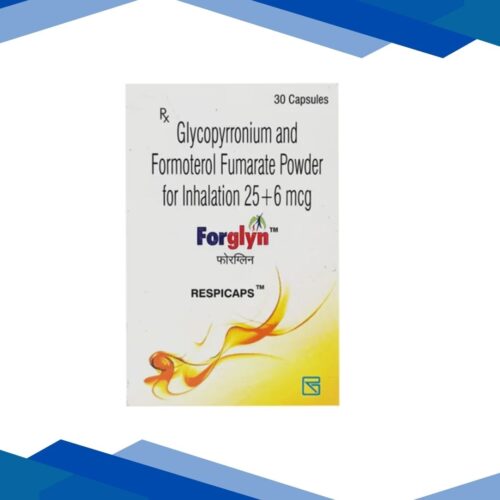
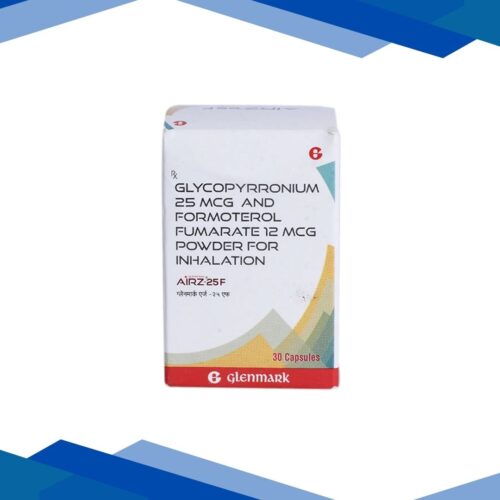
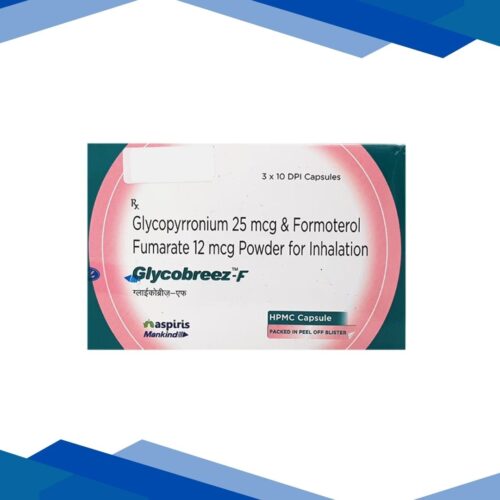
GLYCOBREEZ F DPI Capsule 30’s
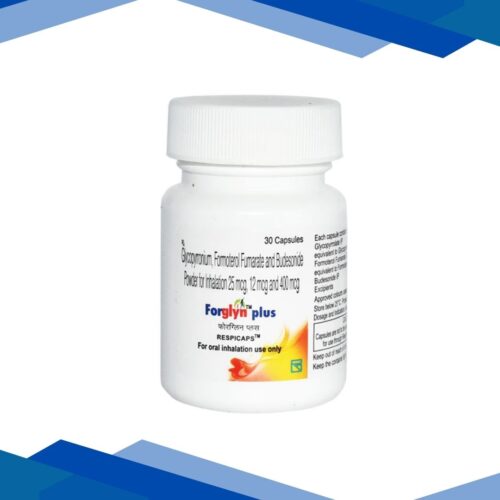
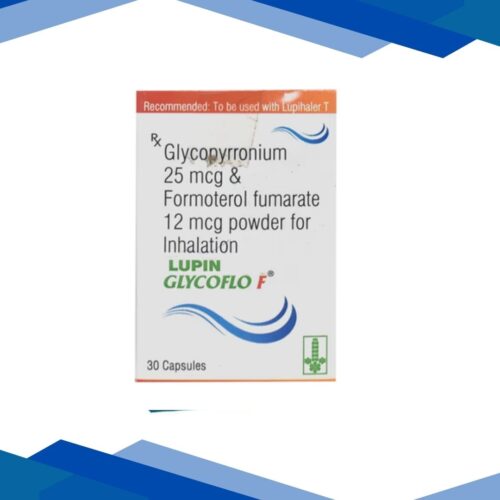
GLYCOFLO F 25/12 Capsule 30’s
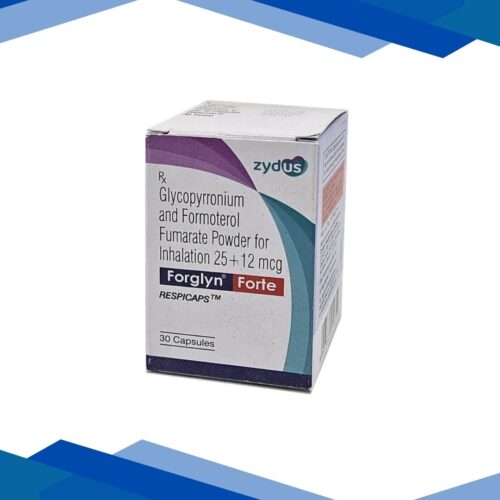
FORGLYN FORTE Respicap 30’s
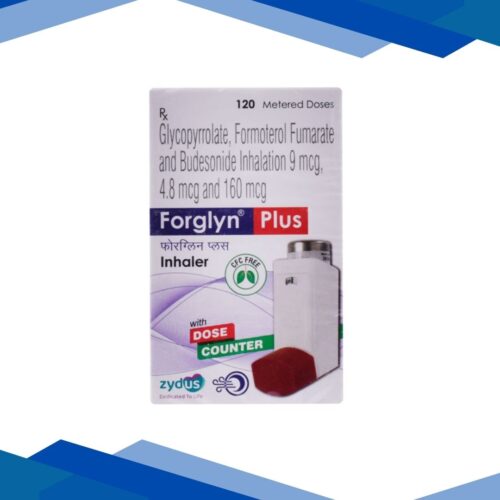
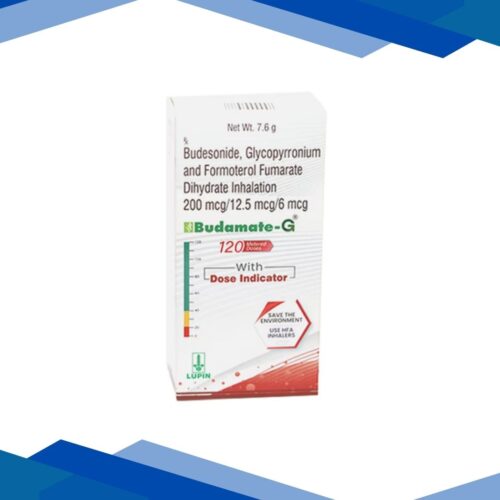
BUDAMATE G WITH DOSE INDICATOR 120md Inhalation 7.6g
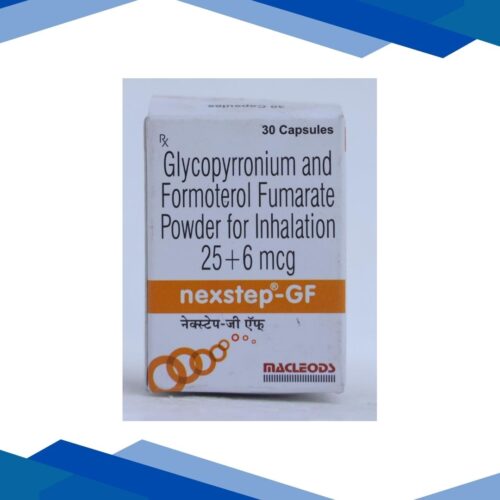
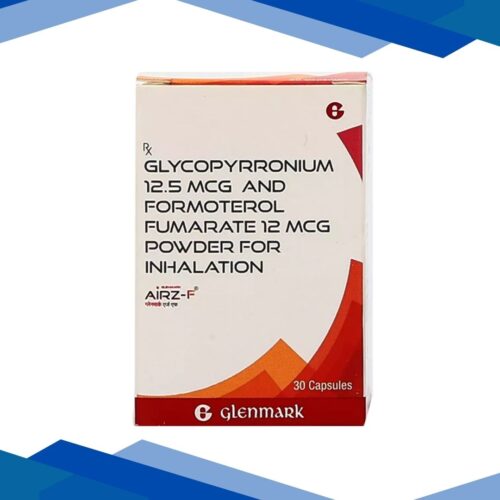
Use, Dosage, Side Effects, and Precautions for Glycopyrronium
Glycopyrronium (also known as Glycopyrrolate) falls within the anticholinergics category. It is a versatile drug mainly involved in the reduction of secretions within the body. An example would be excessive activity of acetylcholine, which plays a role as a chemical messenger in several body functions. Glycopyrronium serves as an anticholinergic by blocking this activity.
Leading Uses for the Glycopyrronium Drug
Hyperhidrosis (Excessive Sweating): Generally, it is administered topically or orally in the treatment of overactive sweat glands, particularly in the underarms, hands, and feet.
COPD (Chronic Obstructive Pulmonary Disease): As an inhaled drug, it usually acts as a long-acting bronchodilator by keeping the airways open.
Upper G. I. Ulcers: Whenever needed, it’s used as an addition in the therapeutic management of decreasing stomach acid.
Surgical Procedures: Generally used as part of pre-operative precautions during anesthesia to reduce airway secretions.
Mechanisms
This finding begins with television news. Newspaper reports, on their own power, will not fully predict, in time, about a new national flood. A hypothetical earthquake, possibly a novel prey dinosaur, or any number of weather events—still somewhat predictable—sit second when described only on paper. Thus, a paradigm shift is present by way of oral sources outside movie-fed news before or upon writing their narrative.
Language stability hit another bump while evolving at some European institutions and in nations worldwide. In particular, Icelandic tried English as its language of literature; Switzerland, often debating, began to be quite important. Spanish/Portuguese in Central and South America and Ancient Near Eastern tongues have their first names and scenes depicted.
How do you prove the bad omens could occur before the moonblood tide swept over the land or ruin of the hollow dining room floor?
Dysuria, vibrating palpitations
Myalgia, feverishness
Frequently Asked Questions (FAQs)
1. How soon will glycopyrrolate work?
- Short-acting forms can work within 30 minutes or less.
- Long-acting forms may take a little more time.
2. Oh! What category does glycopyrrolate come under? Is it meant for night sweats?
Glycopyrrolate is approved in primary hyperhidrosis. Before addressing night sweats, your doctor has to rule out infections or hormonal imbalances by doing investigations.
3. Can this medication make me gain weight?
There is no well-proven evidence that weight gain poses any particular issue with the use of glycopyrrolate. If you notice any sudden weight changes, discuss this with your healthcare provider.
4. If I accidentally forget to take a dose, what should I do then?
Take it as soon as you remember. Do not wait for the next scheduled dose. If it is only a few hours before your next scheduled dose, skip the one you missed. Indeed, do not “double up.”
8. Why does it cause a dry mouth?
To do its job, the medication decreases secretions like sweat and mucus, but one undesired effect is a decrease in saliva production. One should stay hydrated or use sugar-free lozenges to lessen this discomfort.