






Showing the single result
Filter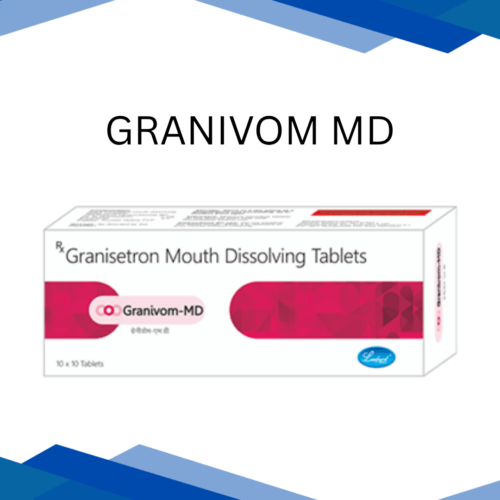
Granisetron: Uses, Dosage, Side Effects & More
Generic Name: Granisetron
Therapeutic Class: Antiemetic (5-HT3 Receptor Antagonist)
Granisetron is a powerful antiemetic used primarily for the management and prevention of nausea and vomiting caused by cancer treatment regimens such as cytotoxic chemotherapy and radiotherapy. It also acts as an effective agent against Postoperative Nausea and Vomiting (PONV). By blocking serotonin, a natural body chemical that activates the vomiting center in the brain, the medication helps maintain comfort and hydration in the post-operative period.
Sometimes Granisetron targets localized sites with remarkable precision. At the level of medical physiology, it belongs to the class of serotonin 5-HT3 receptor antagonists. During intensive medical treatments, the body may release serotonin, which binds to 5-HT3 receptors in the gut and brain, leading to nausea. Granisetron blocks these receptors, reducing the signal that triggers vomiting.
Feature Specifications
Common Brands: Kytril, Granicip, Grandem, Graniset
Available Forms: Tablets, Injection, Transdermal Patch
Time to Onset of Action: 30–60 minutes (Oral); 1–5 minutes (IV)
Duration: Up to 24 hours
Alcohol Interaction: Consult your doctor; may increase dizziness
Common Side Effects
Granisetron is generally well-tolerated, but some side effects may occur:
Headache: The most commonly reported side effect.
Gastrointestinal Effects: Constipation or mild diarrhea in some cases.
Drowsiness: Occasional tiredness or sleepiness.
Insomnia: Difficulty sleeping in rare cases.
Liver Enzymes: Rare and temporary elevation in liver function tests.
Important: If symptoms of Serotonin Syndrome occur—such as hallucinations, rapid heartbeat, severe dizziness, or muscle twitching—seek immediate medical attention.
Frequently Asked Questions (FAQs)
1. What should be the correct way of administering granisetron tablets?
The tablets should generally be taken about one hour before chemotherapy. In some cases, an additional dose may be given 12 hours later. The medication can be taken with or without food.
2. Is it safe to take granisetron during pregnancy?
There is limited clinical data regarding the use of granisetron during pregnancy. Therefore, doctors usually prescribe it only when the benefits outweigh potential risks to the fetus. Always consult your obstetrician before use.
3. Can I use granisetron for motion sickness?
Although it is effective against nausea, it is not typically the first-choice medication for motion sickness. For mild cases, over-the-counter antihistamines are often preferred unless otherwise advised by a physician.
4. What should I do if I miss a dose?
If you miss a dose on a regular schedule, take it as soon as you remember. However, if it is almost time for your next scheduled dose, skip the missed one and continue normally. Do not double the dose.
5. How is Granisetron different from Ondansetron?
Both belong to the same class of 5-HT3 receptor antagonists. However, some clinical studies suggest that Granisetron may provide slightly different efficacy or side-effect profiles compared with Ondansetron in certain patients. The final choice is usually based on individual treatment needs determined by a doctor.