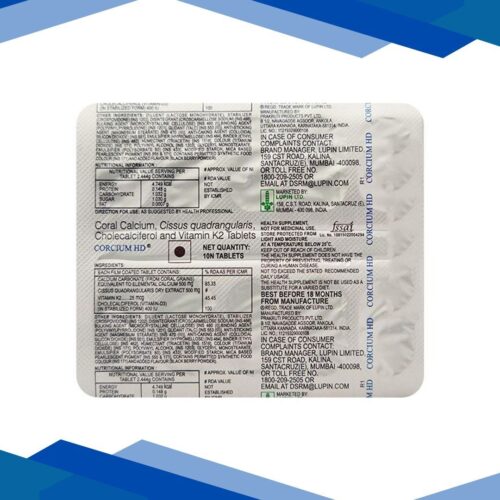
CORCIUM HD Tablet 10’s
Bold Care Extend Delay Spray 50 g
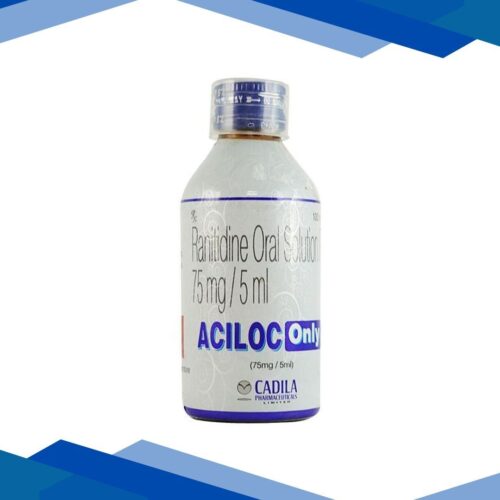
Aciloc Only Oral Liquid 100ml

What are you looking for?
Showing the single result
Filter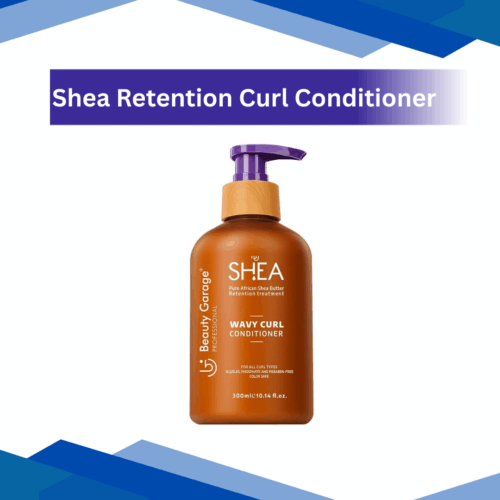
Shea Retention Curl Conditioner 300 ml
Grape Seed Oil: The Antioxidant Gift of Nature for Heart and Skin
Grape-seed Oil is derived from the seeds of grapes (Vitis vinifera) usually used in winemaking. Once driven as a byproduct, it has now been publicly realized to be quite therapeutic in both dermatology and cardiology regimes. Being really enriched in Vitamin E, Omega-6 fatty acids, and OPCs Complex, the Grape-seed Oil comes in as a formidable oil either for local application or supplements. Laughed at by wine aficionados as a kitchen oil, too—because of its high ‘smoke point’ and light texture—the grape-seed oil is an immensely preferred fat altern for health-aware eaters or, alternatively, a noncomedogenic base oil for skin care, therefore ideal for most types of topical skin application using oils.
Medical and Clinical Theories
Heart Health: Grape-seed Oil is a rich source of polyunsaturated fatty acids (PUFAs); such as linoleic acid which helps reduce LDL cholesterol levels and also takes care of the heart functions.
Anti-inflammatory: Rich in OPCs, Grape-seed Oil is a highly anti-inflammatory and cellular environment workhorse to combat oxidative stress. Cell repair faster and wounds get healed, were the actions seen while studying.
Repair of Skin Barrier: A quick-drying oil does not clog skin pores upon application. It nourishes and fortifies the skin’s lipid barrier, making the oil good for acne and sensitive skin.
Boosted Healing: Clinical studies show that the oil, with its supe high-proanthocyanidin content, triggers the release of vascular endothelial growth factor, thus aiding in the acceleration of skin repair. Hair healthPhone Blocks DHT: This compound will help you reduce hair loss, thereby maintaining a healthy scalp free from flaking.
Grapeseed Oil vs Sunflower Oil Comparison
Feature
Wingate Vegetable Oil
Sunflower Oil
Primary Lipid
Linoleic acid
Oleic/Linoleic acid
Antioxidant Content
Very High
OPCs + Vit. E
Very Low++Vit. E
Comedogenic Rating
1 (Very Low)
2 (Low/Moderate)
Best For
Heart Health, Acne-prone Skin
General Cooking
Instructions
On skin: 2-3 drops on a clean face as the finale within the nightly routine. Also acts as a carrier for robust essential oils like Tea Tree and Lavender.
Diet: Use in salads or light sautéing and meet suggested dosage as from capsules concentrated within 100-300 mg/day.
Frequently Asked Questions
2. Is Grape-Seed Oil good for oily skin?
Yes. Grape-seed Oil is extraordinarily light for an oil. The low comedogenic resistance in this oil helps to regularize linoleic acid, thereby counterbalancing the sebum production specifically in oily, acne prone skin
2. Can I use Grape-Seed Oil for deep frying?
Grape-seed Oil can be used within the deep-frying stage. However, its antioxidants (OPCs) are delicate and destroyed by high heat. It can be effectively used for sautéing, frying, or adding to salads.
3. Does it heal undereye dark circles?
Regular application aids in such procedures. The oil’s Vitamin E as complemented by its flavonoids actively promotes the expanse of the delicate blood supply surrounding the eye and can banish puffiness; both effects shall gradually lower the appearance of tired, dark circles.
4. Is there any reason one should not take it orally?
Most people should tolerate the oil. Nonetheless, patients on anticoagulants (such as Warfarin) could be marginally affected by Grape-seed extract due to its milder anti-coagulant activity.
5. How can I store the oil to prevent rancidity?
Due to high PUFAs, it is sensitive to light and heat. Preferably, keep in a cool, dark place, and in a tinted glass bottle to preserve its therapeutic effect.