
Showing 1–20 of 72 resultsSorted by popularity
Filter
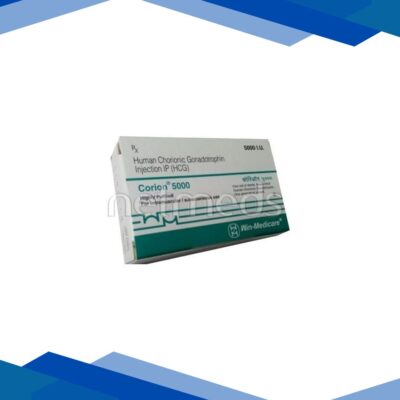













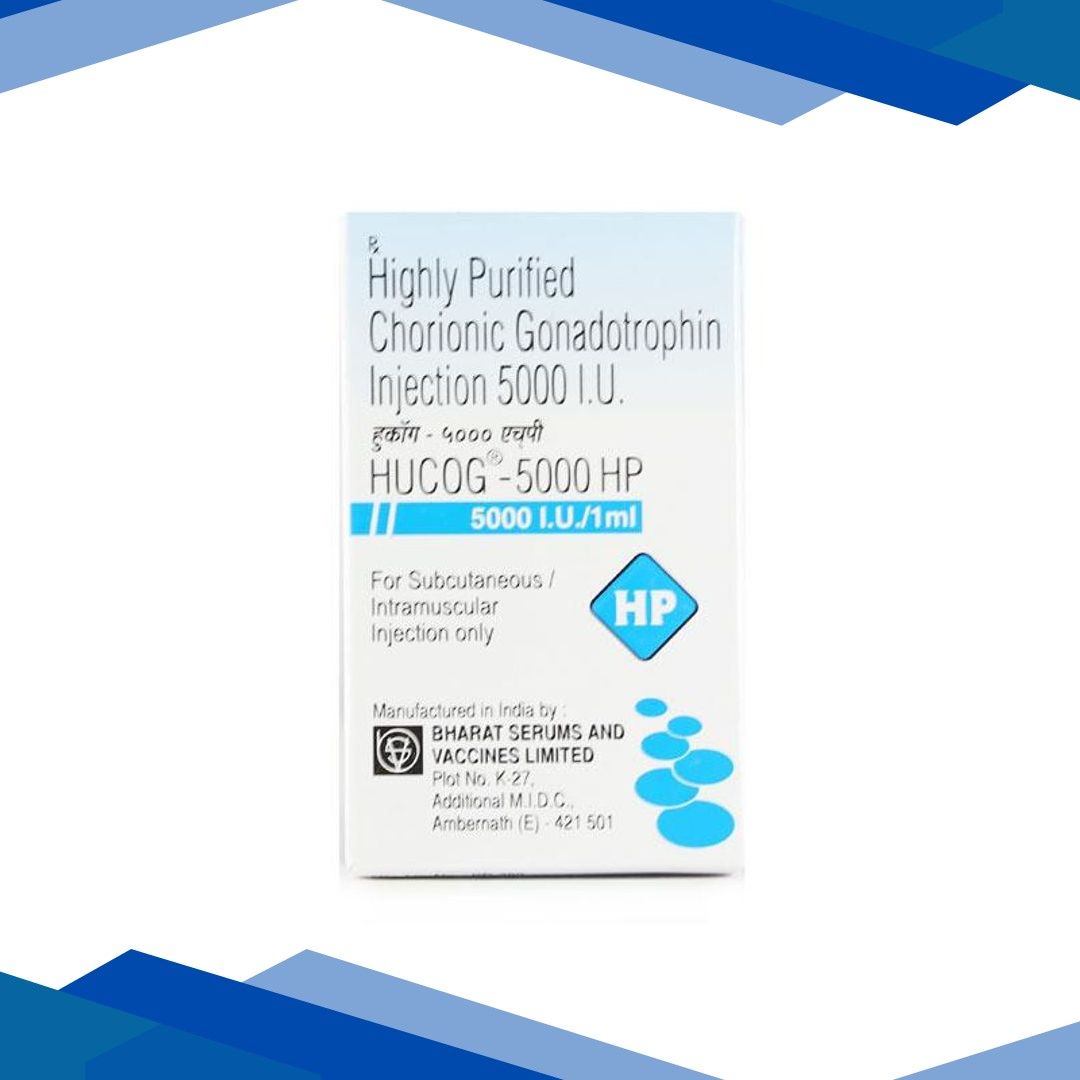




Human Chorionic Gonadotropin (hCG): Overview, Uses, and Side Effects
Human Chorionic Gonadotropin (hCG) is a highly specialized hormone produced naturally by the human body. In standard physiology, it is synthesized primarily by syncytiotrophoblast cells within the placenta during pregnancy.
Often referred to as the “pregnancy hormone,” hCG plays an indispensable role in maintaining early gestation. Its primary biological function is to signal the corpus luteum (a temporary endocrine structure in the ovaries) to continuously produce high volumes of progesterone, which prevents the uterine lining from shedding and sustains the developing embryo. Because of its unique structural similarity to Luteinizing Hormone (LH), purified or recombinant hCG is utilized in clinical medicine as a prescription medication to manage specific reproductive and hormonal disorders in both women and men.
Key Benefits & Uses
Reproductive endocrinologists, fertility specialists, and urologists prescribe hCG injections to address targeted hormonal conditions:
In Female Reproductive Medicine (Fertility Support):
-
Triggering Ovulation: Used as a critical final step in Controlled Ovarian Hyperstimulation (COH) for women undergoing In Vitro Fertilization (IVF) or Intrauterine Insemination (IUI). Because hCG mimics a natural LH surge, injecting it stimulates the mature ovarian follicles to release a viable egg within a predictable 36-to-40-hour window.
-
Luteal Phase Support: Administered in specific lower doses post-ovulation to boost progesterone production, optimizing the uterine lining for successful embryo implantation.
In Male Endocrine & Urological Medicine:
-
Hypogonadotropic Hypogonadism: Treating structural testosterone deficiencies caused by a malfunction in the pituitary gland or hypothalamus. By acting as an LH analogue, hCG directly binds to Leydig cells in the testes, stimulating them to naturally synthesize endogenous testosterone.
-
Spermatogenesis Induction: Prescribed to men experiencing fertility challenges to increase sperm count and improve sperm quality, frequently paired with Follicle-Stimulating Hormone (FSH).
-
Cryptorchidism (Pre-pubertal Undescended Testes): Administered to young boys when the undescended testes are not caused by an anatomical or structural blockage, helping induce natural descent into the scrotum without immediate surgery.
How hCG is Administered
-
Injectable Delivery Method: hCG cannot be taken orally because digestive enzymes would break down its complex protein structure. It is administered strictly via injection—either Subcutaneously (SubQ) into the fatty tissue of the abdomen or thigh, or Intramuscularly (IM) into a large muscle mass.
-
Precision Timing is Crucial: When used in fertility protocols to trigger ovulation, the injection must be given at the exact minute instructed by your medical team. Misntiming the dose can disrupt an entire IVF or tracking cycle.
-
Safe Needle Disposal: If administering your injections at home, always use a fresh, sterile needle for every dose and immediately discard used syringes into an approved sharps container.
Safety Advice & Critical Precautions
| Category | Guidance |
| Thromboembolism Risk | Important Warning. High-dose gonadotropin therapies can increase blood viscosity and step up the risk of arterial or venous blood clots (thrombophlebitis or deep vein thrombosis). |
| Hormone-Dependent Tumors | hCG is strictly contraindicated in individuals with known or suspected hormone-sensitive malignancies, such as prostate cancer in men or ovarian/uterine cancers in women. |
| False-Positive Pregnancy Tests | Because home pregnancy tests detect hCG in the urine, receiving a therapeutic hCG injection will cause a false-positive pregnancy test for roughly 10 to 14 days following the shot. |
| Multiple Births | When used in fertility cycles outside of IVF (such as with timed intercourse), hCG increases the mathematical probability of multiple pregnancies (twins, triplets) due to multi-follicular ovulation. |
Common and Severe Side Effects
While undergoing human chorionic gonadotropin therapy, systemic hormonal shifts can cause temporary bodily adjustments:
-
Local redness, mild swelling, bruising, or aching at the injection site
-
Mild fluid retention or swelling in the ankles and feet (edema)
-
Mild headache, irritability, restlessness, or fatigue
-
Mild breast tenderness or swelling (gynecomastia in men)
Critical Safety Warning (OHSS): In women undergoing fertility treatment, gonadotropins can cause a severe, life-threatening medical complication known as Ovarian Hyperstimulation Syndrome (OHSS). Contact your fertility specialist or seek emergency medical care immediately if you experience severe abdominal pain, prominent stomach bloating, rapid weight gain (over 1–2 kg in 24 hours), severe nausea or vomiting, shortness of breath, or a sudden decrease in urination frequency. OHSS causes fluid to shift rapidly out of the blood vessels and into the abdominal cavity, requiring immediate specialized clinical monitoring.
Frequently Asked Questions (FAQs)
Q: Can hCG injections be used as a safe shortcut for rapid weight loss?
No, absolutely not. The use of hCG for weight loss—popularized historically by the “hCG Diet” paired with extreme calorie restriction—is not medically approved, scientifically sound, or safe. Global regulatory health authorities explicitly state that hCG has no proven efficacy in reducing fat, controlling appetite, or managing weight. Any weight lost on such a regimen is the direct result of dangerous, unsustainable starvation-level caloric intake, which can cause severe muscle wasting and nutrient deficiencies.
Q: Why does a urologist prescribe hCG to a man instead of directly giving him Testosterone replacement therapy?
When a man is given direct, exogenous testosterone (like gels or injections), it triggers a negative feedback loop that tells his brain to shut down its own natural hormone production. This can lead to testicular shrinkage and infertility. By contrast, prescribing hCG mimics the brain’s natural signals, encouraging the testes to actively produce their own testosterone and maintaining testicular volume and fertility potential.
Q: What should I do if I miss a scheduled fertility injection window?
If you miss or delay your precisely timed “trigger shot” during an active fertility or IVF cycle, do not guess or double the dose. Call your reproductive endocrinology clinic’s emergency line immediately. Missing this window alters the entire cellular timeline of egg maturation, and your clinical team will need to instantly calculate whether to adjust your egg retrieval procedure or reschedule the cycle.
Q: How long does synthetic hCG remain in the human body after an injection?
The elimination half-life of human chorionic gonadotropin is approximately 24 to 36 hours. However, traces of the hormone remain detectable in both the blood and urine for up to 10 to 14 days following a standard subcutaneous or intramuscular injection. For this reason, fertility patients are advised to wait at least two full weeks before taking a home pregnancy test to prevent a heartbreaking false-positive reading.
Disclaimer: The endocrinological, urological, and reproductive insights provided on this page are intended strictly for general educational purposes. They cannot replace a personalized, professional medical consultation, diagnosis, or treatment plan from a certified fertility specialist, reproductive endocrinologist, or urologist. Always consult your doctor before beginning or altering any high-potency hormone injection routine.