
Showing 1–20 of 28 resultsSorted by popularity
Filter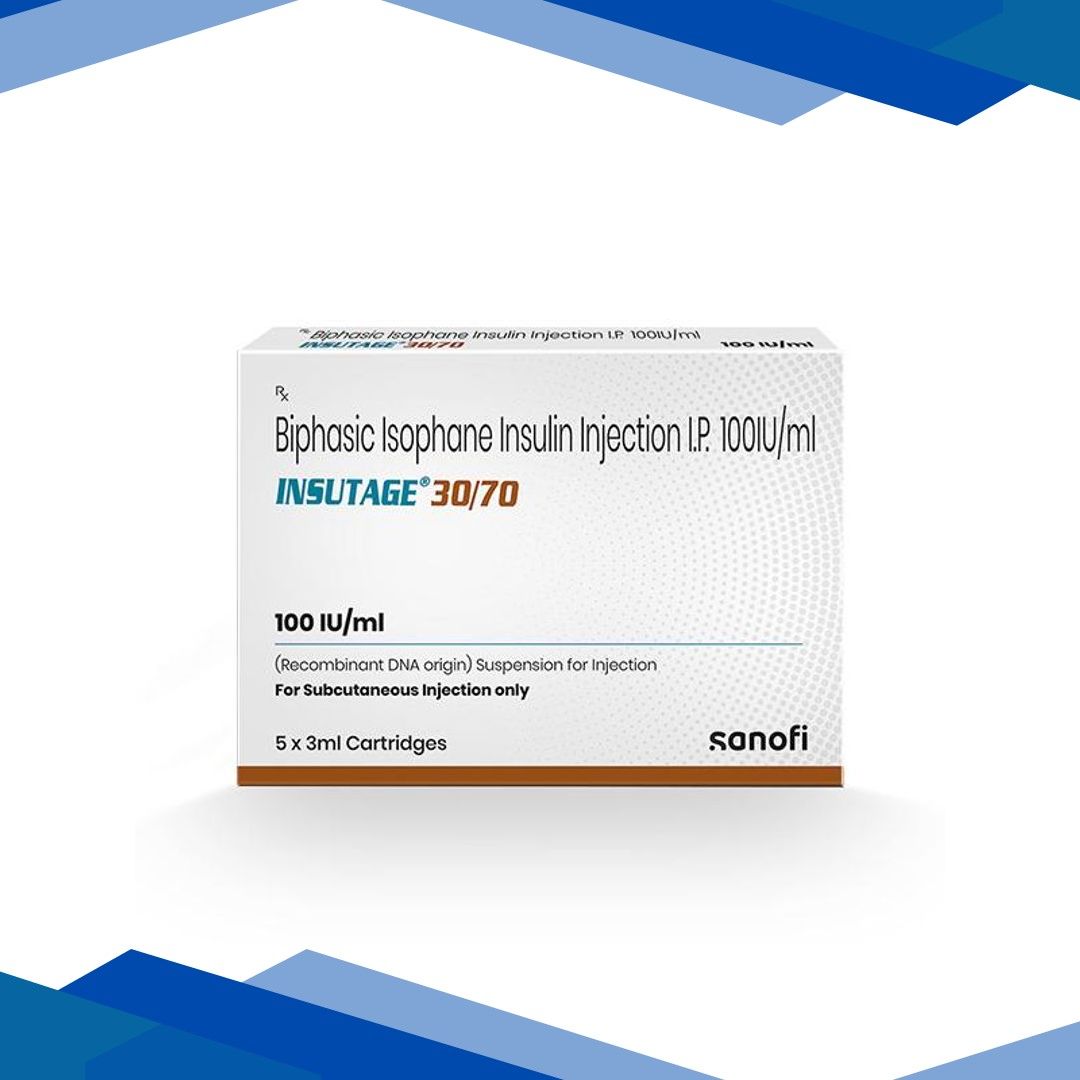
INSUTAGE 30/70 100iu Cartridge 5x3ml


INSUMAN RAPID 100iu Cartridge 5X3ml
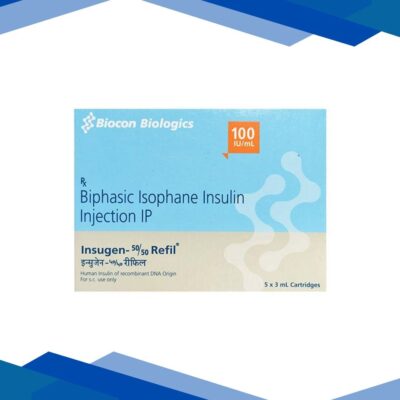
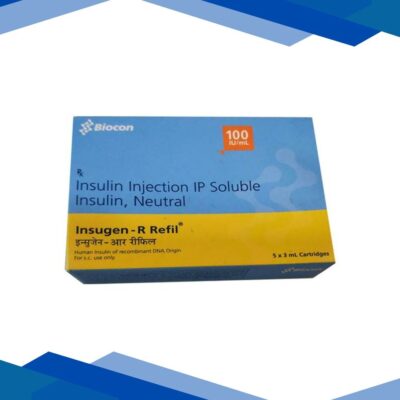
Insugen R Refill 100IU Cartridge 1X3ml

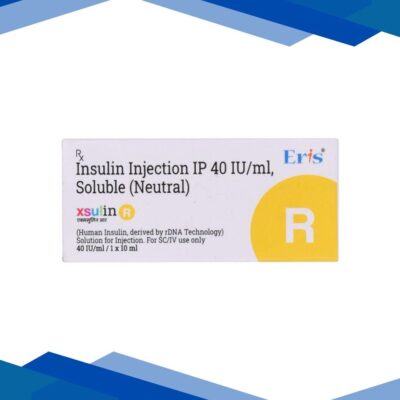
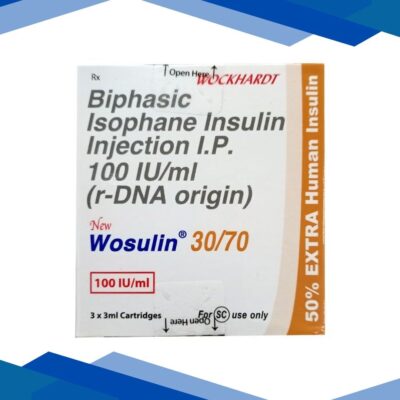
Wosulin New 30/70 100IU Cartridge 3X3ml

XSULIN 30/70 ERIS 1 Disposable Pen 1’s
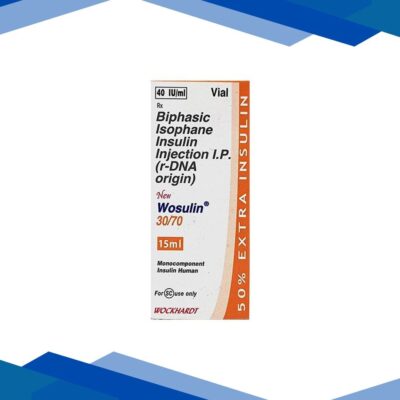
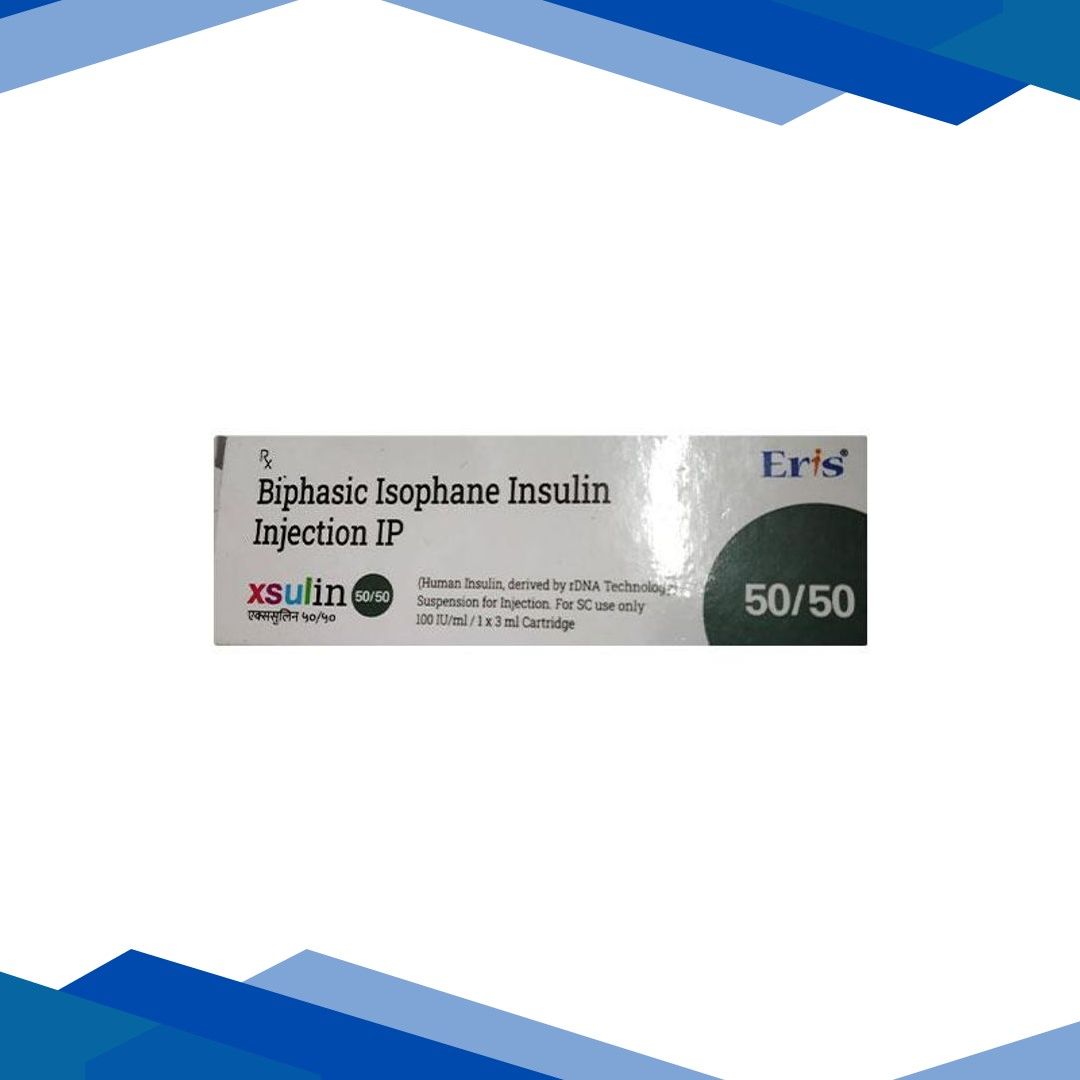

Wosulin New 50/50 100IU Cartridge 3X3ml
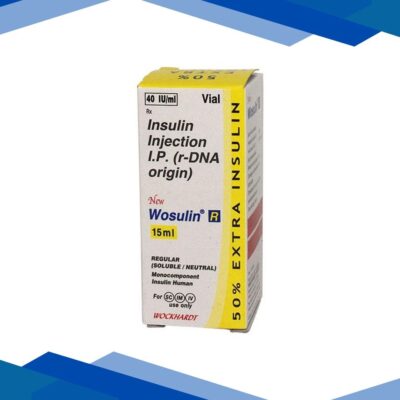
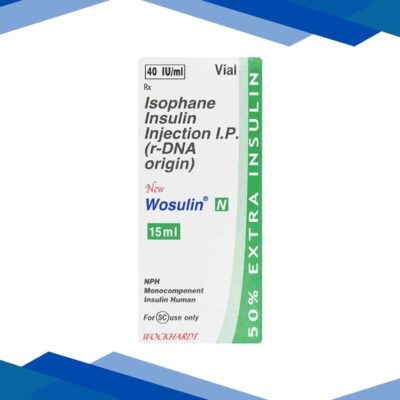

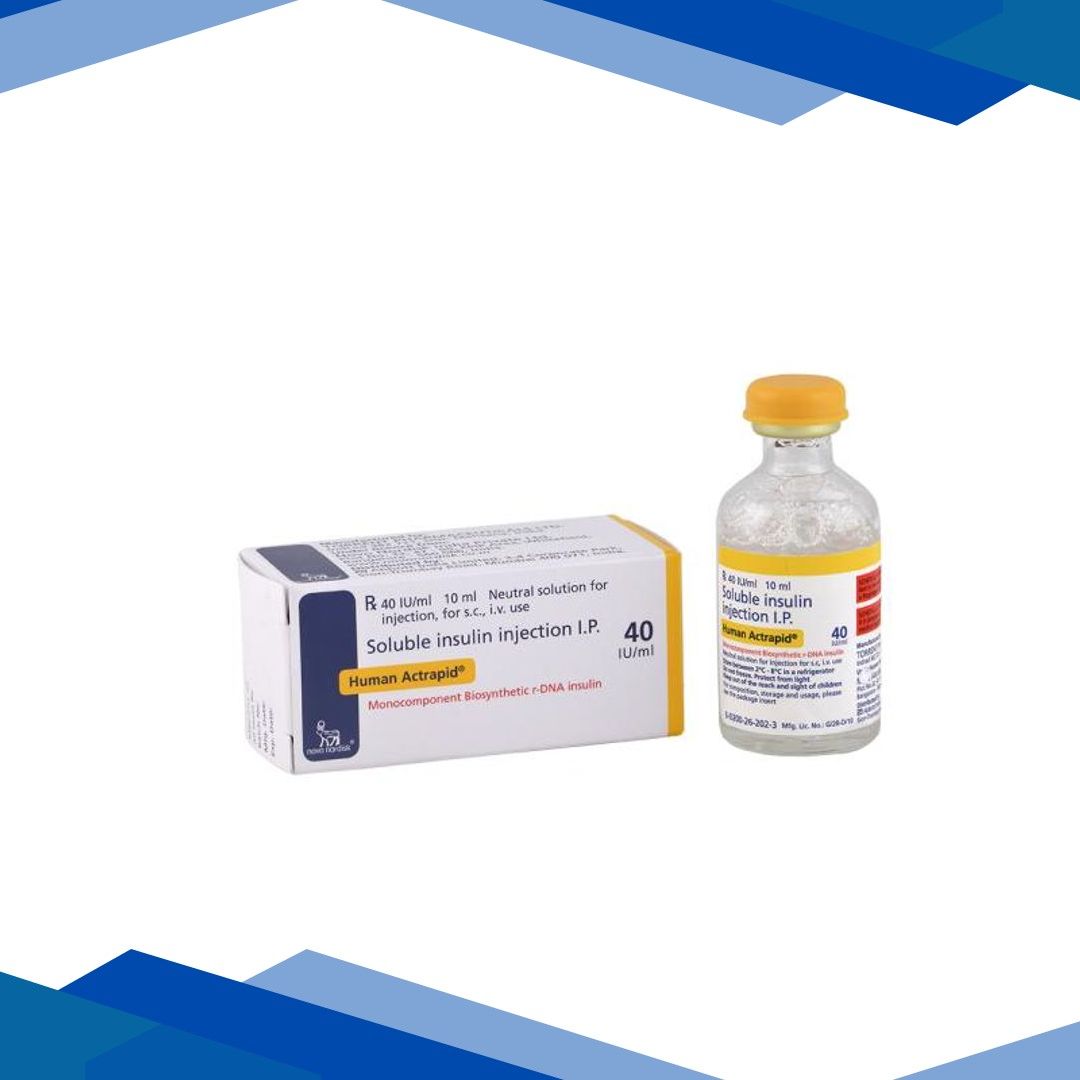
Human Actrapid 40IU Injection 1X10ml
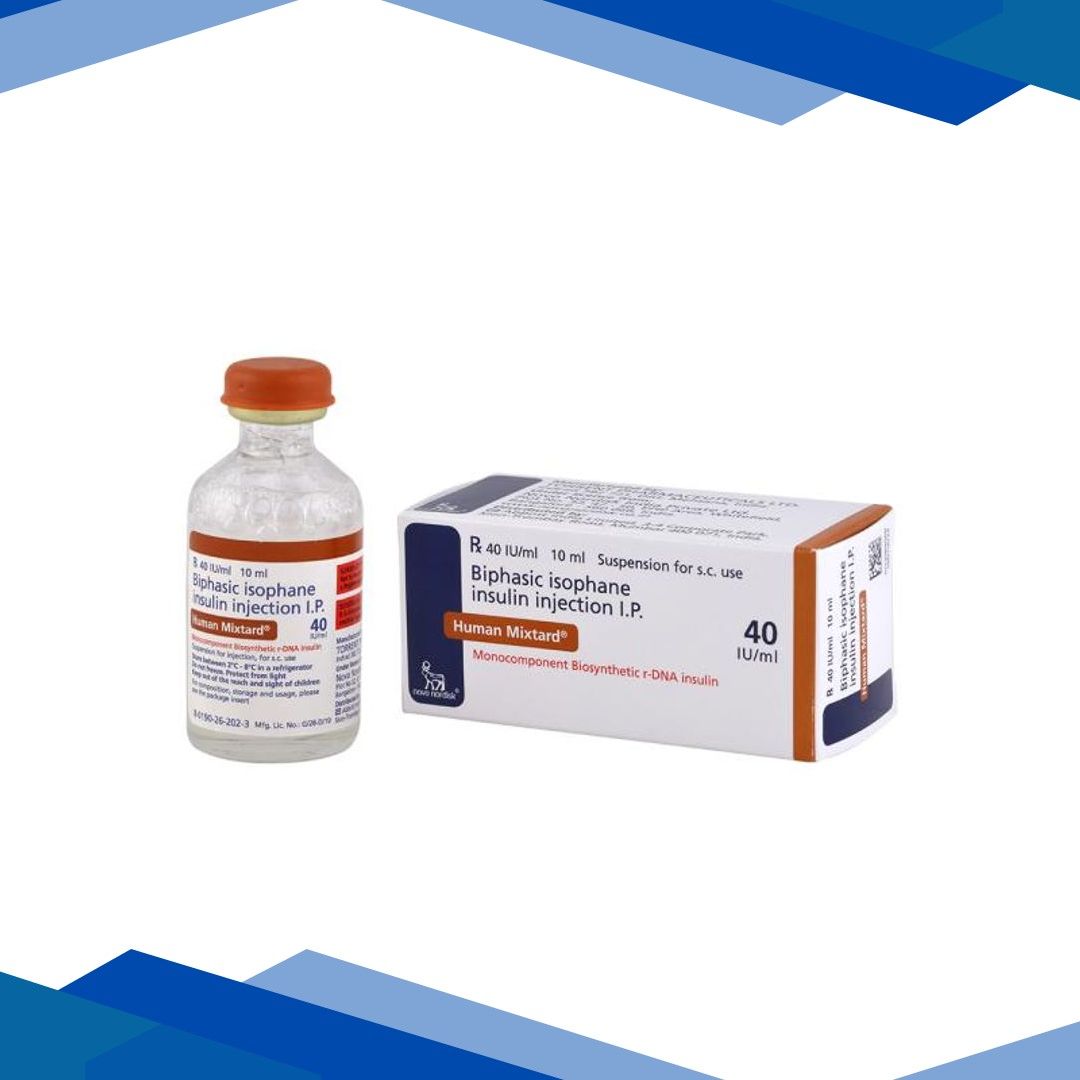
Human Mixtard 30/70 40IU Injection 1X10ml

Human Mixtard 30/70 100IU Injection 1X10ml
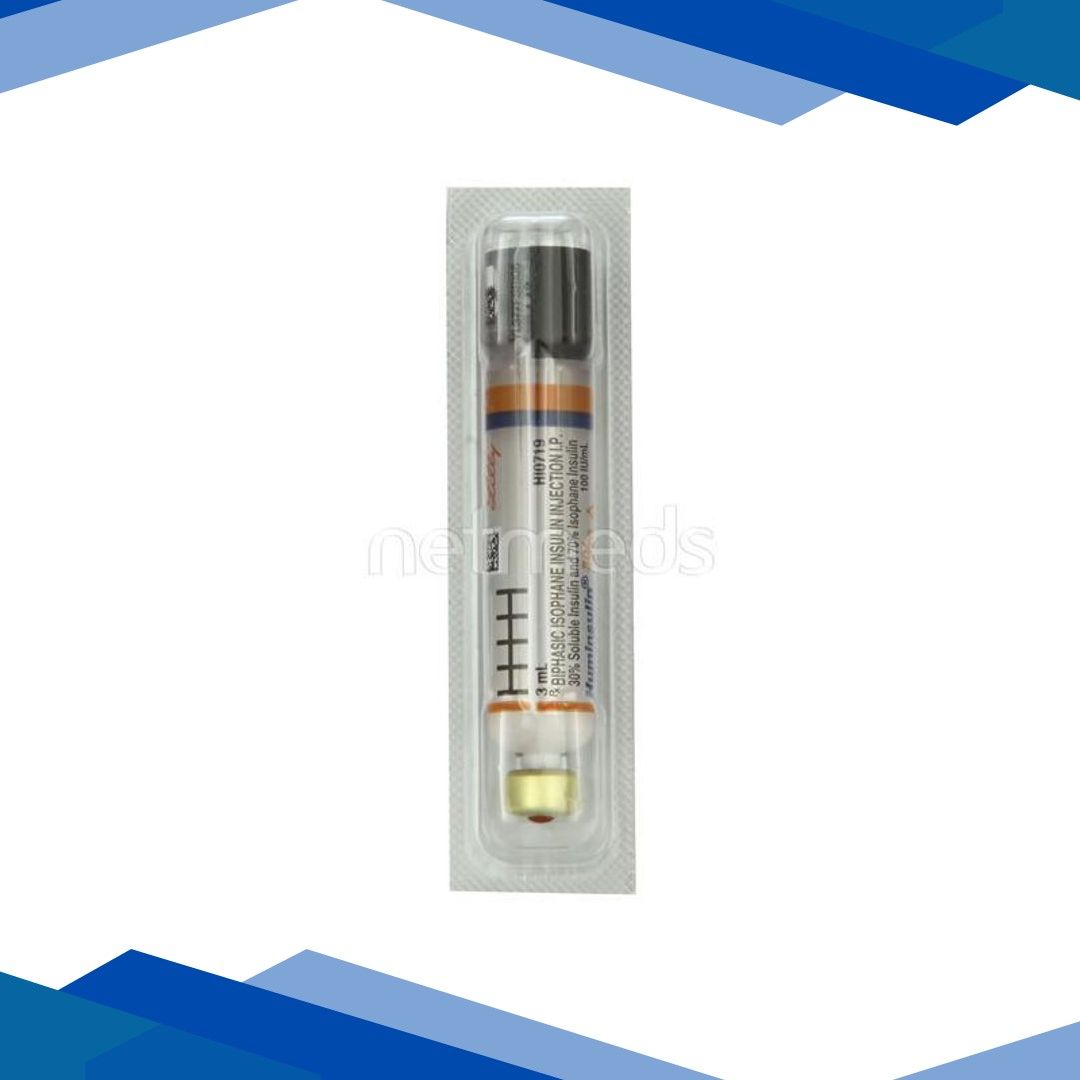
Huminsulin 30/70 100IU Cartridge 1X3ml
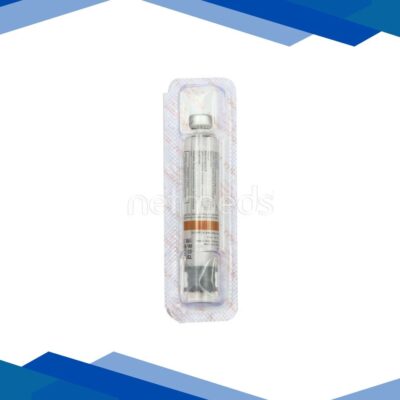
Lupisulin M30 30/70 100IU Cartridge 1X3ml
Human Insulin: Biological Foundation for Diabetes ManagementHuman Insulin is a chemically synthesized hormone employing recombinant DNA technology that is structurally the same as the human body’s natural insulin. Known for its pivotal role in controlling carbohydrate, proteins, and fats metabolism by facilitating the absorption of glucose from the blood by skeletal muscle and adipose tissues. Clinically, the indicated use of human insulin therapy is the maintenance of blood sugar levels in the euglycemic range for Type 1 Diabetes while patients with Type 2 Diabetes unable to control with oral hypoglycemic agents alone.
Clinical Benefits & Profiles
Standard glucose uptake: Stimulates glucose uptake by the peripheral tissues while suppressing hepatic build-up of glucose through gluconeogenesis.
Bio-identical structure: It has a predictable metabolic effectiveness and a lower tendency at eliciting an immune response compared to older animal-derived insulins due to full identity with human insulin.
Metabolic diversity: Includes formulations to engage both “prandial” (mealtime) elevations and “basal” (background) insulin requirements.
Lipid management: Human insulin promotes adipose tissue storage of lipids and reduces lipolysis into ketoacids, hence reducing Diabetic Ketoacidosis (DKA) risk among Diabetic Ketone Bodies (DKBs).
Cost-effectiveness: In comparison to the modern analog insulins, human insulin is considered to be relatively cheaper. What it means is that human insulin can become a part of cost-effective chronic glycemic control.
Treatment Guidelines: Kinds of Insulin:
Insulin Type | Appearance | Onset of Action | Peak Effect | Duration
Regular | Clear | 30 to 60 minutes | 2 to 4 hours | 5 to 8 hours
NPH | Cloudy | 1 to 2 hours | 4 to 12 hours | 18 to 24 hours
Premixed (e.g. 70/30) | Cloudy | 30 minutes | Dual | 36 to 60 to 2ff hours | Up to 24 hours (definitely less than the described time)
Administration & Technique Guide
Injection Sites: Opt for abdominal, thigh, or upper arm area injection for even absorption into subcutaneous fat. Different sites need to be used each day to prevent the occurrence of Lipohypertrophy.
Timely doses: Take the meal around 30 minutes after the Regular Insulin injection because insulin’s peak action should coincide with the peak postmeal glucose.
Physician-Asked Questions
1. Why Regular insulin has a clear appearance and NPH is cloudy? As it contains insulin-specific protamine and zinc, NPH insulin takes longer to get absorbed and produces a cloudy appearance. Regular insulin is a clear solution and should always appear clear. If your Regular insulin looks cloudy or your NPH has “clumps” that don’t disappear after gently rolling the vial, do not use it.
2. How do I store my Human Insulin? Unopened vials/pens must be stored in the refrigerator (2°C–8°C). Once in use, the insulin can be kept at room temperature for up to 28 to 42 days (depending on the brand) to reduce injection discomfort. Never freeze insulin or expose it to direct sunlight.
3. What are the symptoms for hypoglycemia? Symptoms include sudden shakiness, sweating, palpitations, hunger, and dizziness. Always keep a source of fast-acting carbohydrates with you, like glucose tablets or a sugary drink, to take care of your “sugar crash” immediately.
4. Can I switch to Human insulin from Analog insulin? It is possible, but all this has to be under the strict supervision of the endocrinologist because it will be a major adjustment in dosages and timings. Human insulin has a different “peak” and “duration” as compared to analogs; thus, your monitoring schedule should be altered.
5. Use the same needle for numerous injections? No, it is not safe or healthy. When an injection is performed, it makes the process tough and agonizing. It can also cause infections as well as tissue breakdown (lipodystrophy) and hence the use of a different fresh syringe with sterility for every dose is generally recommended.
Health & Safety Standards
Checks required: It is crucial to monitor the levels of glycosylated hemoglobin (HbA1c) and check the capillary blood glucose daily for necessary insulin dosage adjustments. It is strongly recommended to carry your insulin in a handbag when traveling through air, as the protein will denature due to extreme heat under the plane.
Content Disclaimer: This information is for instructional purposes only. Insulin is a powerful medication, and no adjustments should be produced unless authorized by your doctor.