
Showing 1–20 of 30 resultsSorted by popularity
Filter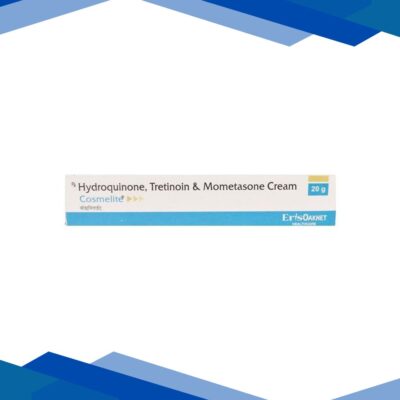
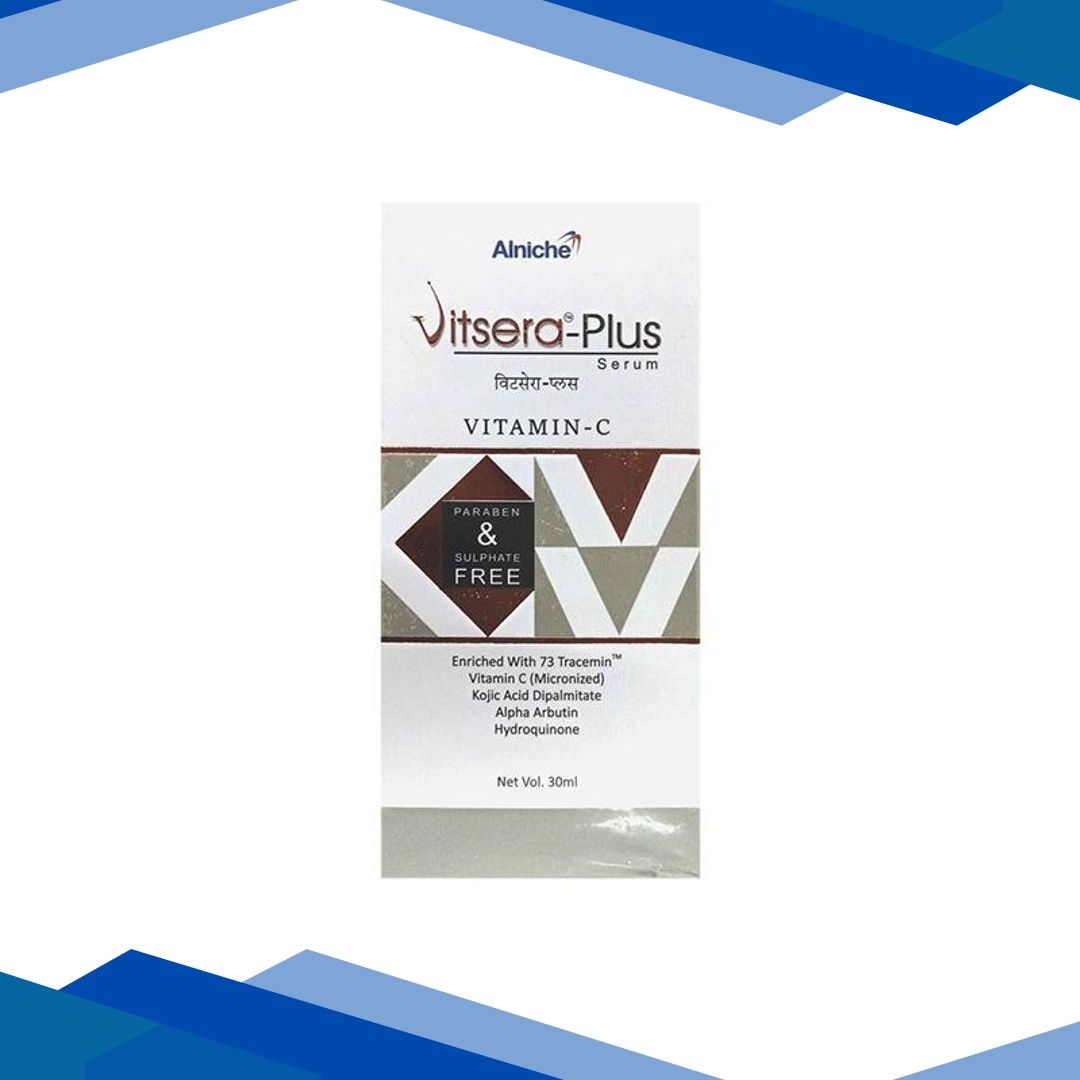
VITSERA PLUS VITAMIN C PARABEN & SULPHATE FREE Serum 30ml
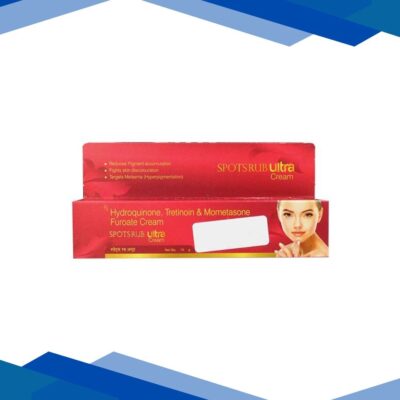
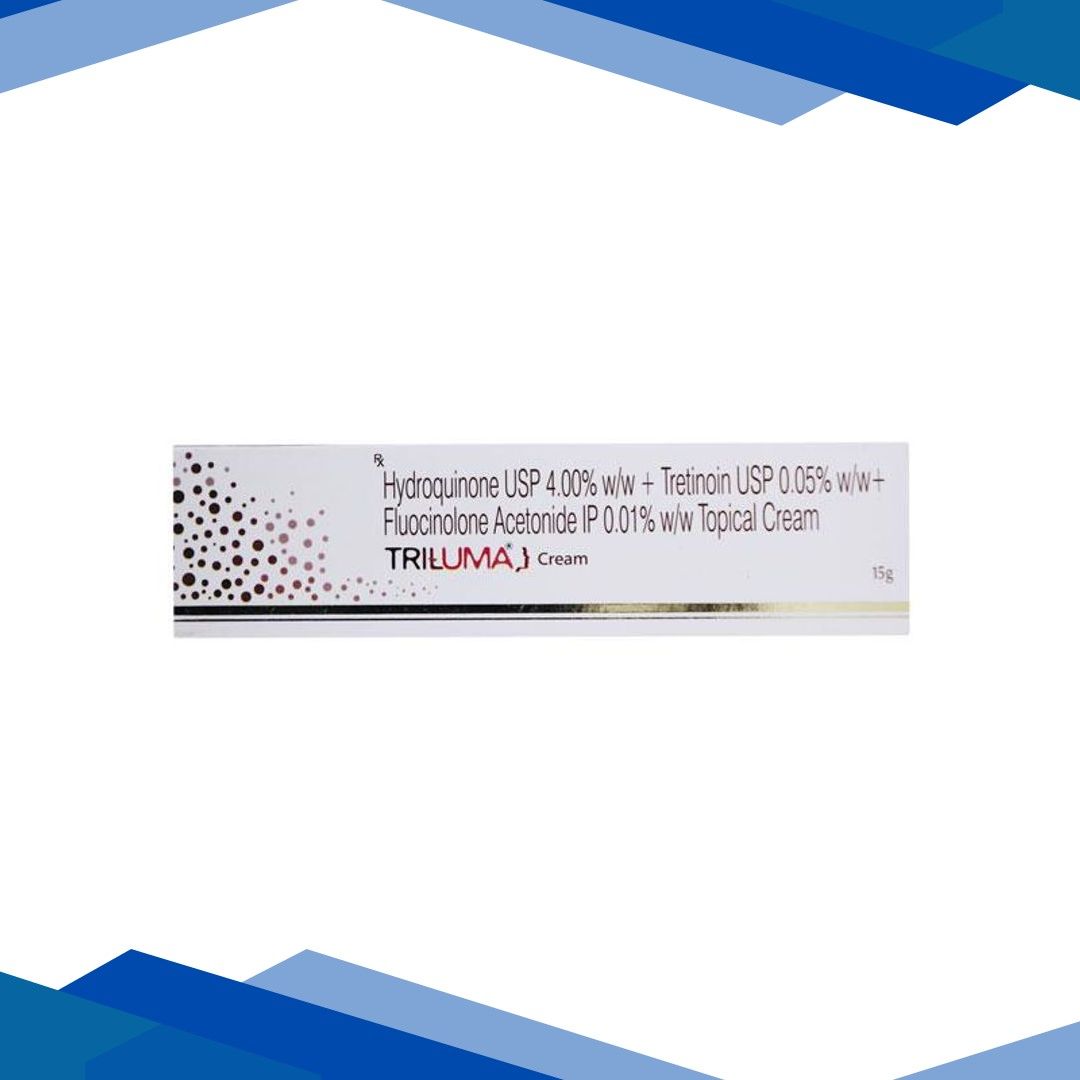
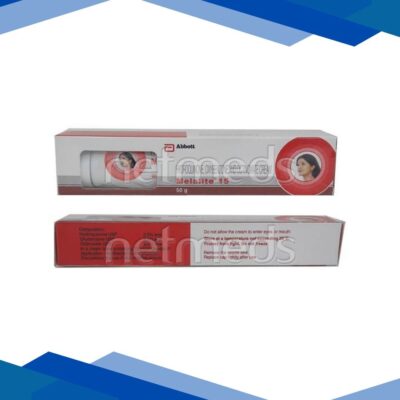
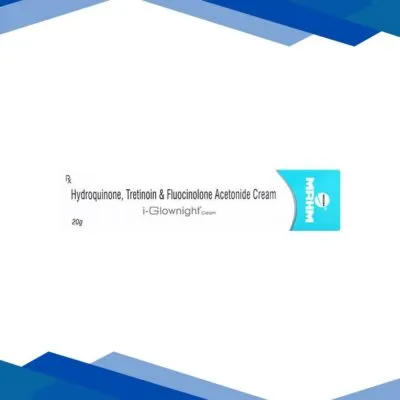

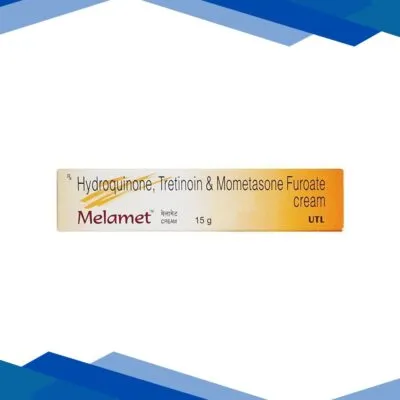

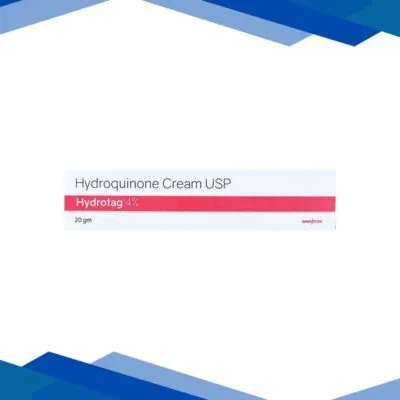
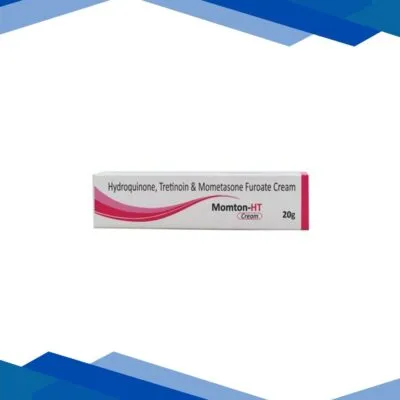
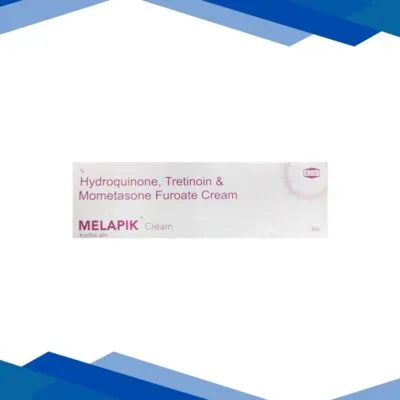
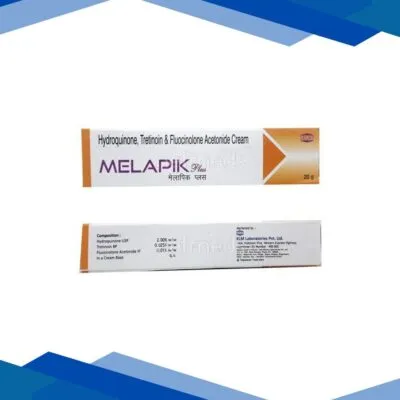

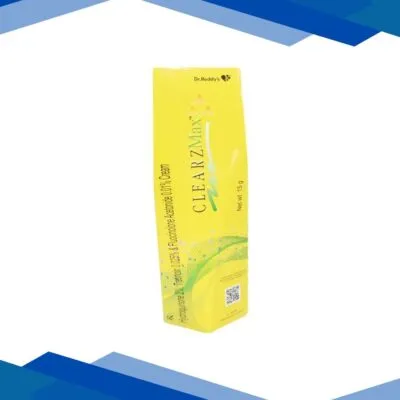

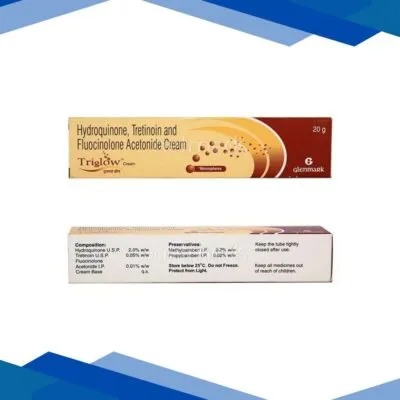
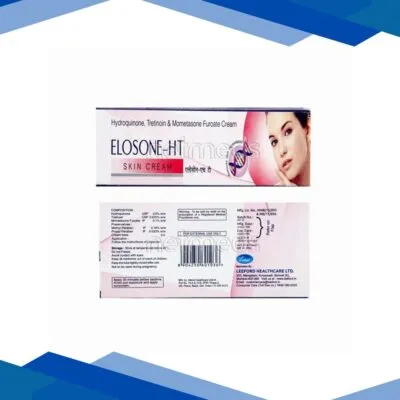
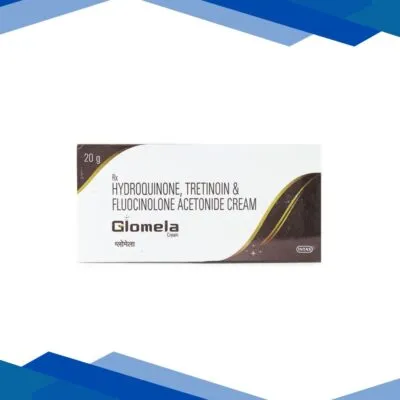
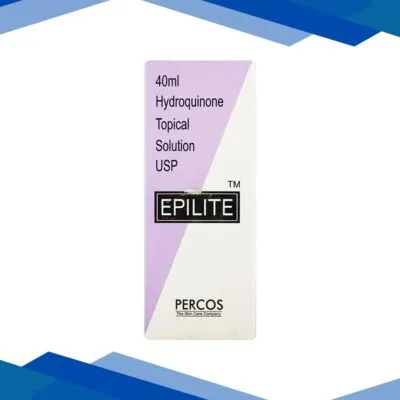
Hydroquinone Topical Cream (2% / 4%)
Hydroquinone is a gold-standard dermatological treatment used solely for dermatological whitening of hyperpigmented skin conditions. It stops the activity of tyrosinase-which is the enzyme responsible for melanin synthesis – the natural skin-tone pigment and stops the action of melanin-producing melanocytes, the pigment-producing cells of the skin. It is mostly prescribed for melasma, chloasma, solar lentigines (age spots), and post-inflammatory hyperpigmentation from acne or injury.
Mechanism of the action of Hydroquinone
Hydroquinone acts on the melanocytes (pigment-producing cells) in the skin. By decreasing the formation and increasing degradation of melanosomes, it effectively lightens the dark patches, thus leading to a more even skin tone over a period of a few weeks.
Targeted Banding: Here we are dealing with material designed to slide over the afflicted area and not leach into the normal adjacent skin.
Endorsed by Dermatologists: This substance is frequently included in leading skin-care remedies of our time, notably the celebrated Kligman’s Formula.
How To Use
Skin Test: Do a test patch against an itty-bitty area of the unwounded skin on your arm. If there are any signs of sore or red cell production in roughly 24 hours, then cease application.
Cleanse: You can start by first washing the affected area with a nonirritating cleansing agent, and dry.
Application: Apply a little bit of cream on to the spot where pigment is found. Rub it in slowly until the whole of the cream has been absorbed.
Frequency: Use two times every day, usually every morning and every evening, or adhere to application as provided by the doctor.
Sunscreens: Since hydroquinone can make the skin susceptible to sun, always protect it by using a broad-spectrum SPF 30+ sunblock along with this product.
Side Effects
Generally well-tolerated by most, the product may have rare side effects such as:
Mild stinging, redness, or more irritation where it is applied.
Flaking or temporary dryness of the skin.
Ochronosis: The condition is a rare type of bluish-black pigmentation (occurring commonly with prolonged use of high doses).
Warning: Do not use hydroquinone without break for over 3–4 months. Contact a dermatologist after 2 months of use if the conditions do not improve.
Contraindication
Pregnancy and Lactation: Not recommended unless a physician suggests otherwise for use during pregnancy and breastfeeding.
Allergies: Avoid in known cases of hypersensitivity to sulfites or hydroquinone.
Open Wounds: Do not apply Hydroquinone to sunburned, windburned, or irritated skin.
Frequently Asked Questions (FAQs)
Q: How long does it take to begin working with Hydroquinone?
Most patients will usually start seeing a visible lightening of the dark spots after about 4-6 weeks of consistent use. However, the full therapeutic effect may take up to 3 months.
Q: Can I apply Hydroquinone to my entire face?
No. The use of Hydroquinone is for spot treatment. It can cause unexpected and uneven lightening of healthy skin and sun sensitivity, so prevent the application of the agent on the pigmented areas of the skin only.
Q: Can I use Vitamin C or Retinol along with Hydroquinone?
Yes, but only after consulting with your skin care professional. While these can enhance results, using them together can cause some skin irritations. It is often recommended to use Vitamin C in the morning and Hydroquinone/Retinol at night. Please consult with your physician to receive your personal routine.
Q: What can happen when I stop applying it?
In order to keep the patient happy, he must remain on top with protecting the area from further sun exposure post-treatment lest pigmentation will return into life when his friends flatter him about his beautiful and smooth skin.
Q: May I use it to lighten my natural skin color?
No. Hydroquinone is a drug that is used in the treatment of specific types of pigmentary disorders (such as chloasma or age spots), not necessarily whitening of the skin or changing one’s natural tone.
Store at 77–86 ºF (25–30 ºC).
Keep cap tightly screwed on when the medicine is not in use. Store in a cool, dry place below 25°C. Exposure to air would cause the cream to turn brown (oxidation), reducing its efficacy.
Note: This product is a powerful dermatological agent, and its application must be carried out only under medical supervision. Make sure to meticulously read the label instructions and instructions for dosage.