

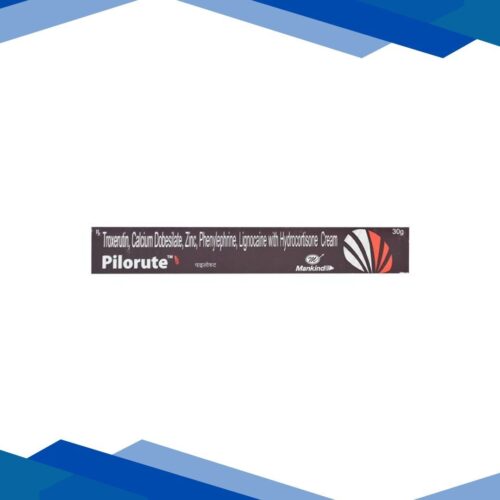
Showing all 2 resultsSorted by popularity
Filter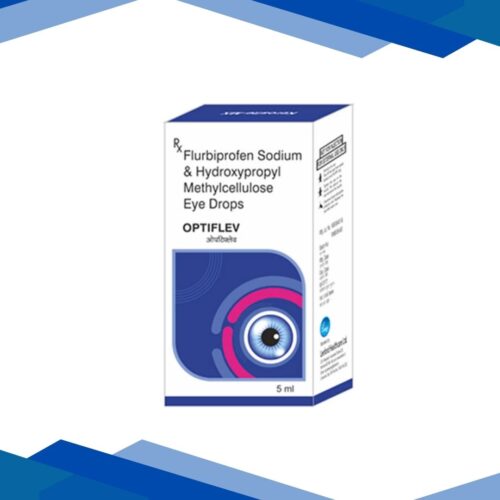
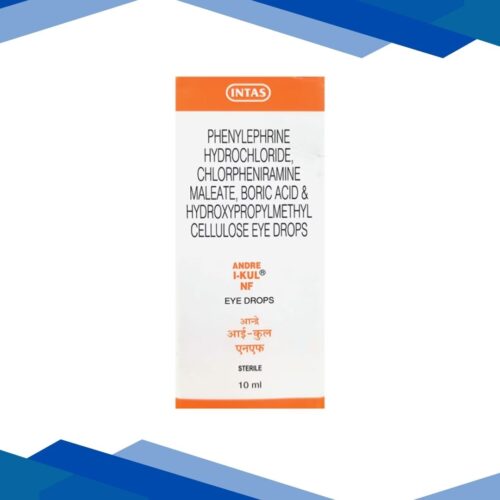
Hydroxypropyl Methylcellulose (HPMC)
Hydroxypropyl Methylcellulose (HPMC), also known as Hypromellose, is a highly viscous synthetic polymer widely used in ophthalmology and pharmaceuticals. It functions as a topical lubricant in eye care and as a controlled-release agent in oral drug formulations.
It is known for its biocompatibility, safety, and versatile applications, especially in managing dry eye conditions and enhancing drug delivery systems.
Main Uses & Indications
Lubrication of the Eyes: Provides instant relief from burning, stinging, and dryness, especially due to wind, sun exposure, or prolonged screen use.
Controlled-Release Tablets: Acts as a matrix-forming agent, enabling slow and sustained release of medications into the bloodstream.
Post-Operative Care: Used in ophthalmic procedures to protect and lubricate the corneal surface.
How It Works: The Science of Comfort
The mechanism of HPMC is based on mucoadhesion.
When applied to the eye, it forms a transparent lubricating film over the ocular surface, which:
- Enhances tear film stability
- Reduces tear evaporation
- Provides long-lasting moisture compared to standard saline drops
In tablet formulations, HPMC absorbs water and swells, forming a gel layer that controls the gradual release of the active drug.
Instruction for usage:
For Eye Drops:
- Wash hands thoroughly.
- Tilt your head back and pull down the lower eyelid.
- Instill 1–2 drops into each affected eye as needed.
- Close your eyes for a minute to allow even distribution.
For Oral Capsules:
Swallow whole. Do not crush or chew, as the HPMC shell is designed for controlled dissolution unless advised otherwise by a healthcare professional.
Key Precautions
Safety First: If you experience persistent eye pain, redness, or vision changes lasting more than 72 hours, discontinue use and consult an ophthalmologist.
Contact Lenses: Remove lenses before using drops containing Benzalkonium Chloride. Wait at least 15 minutes before reinserting.
Contamination: Avoid touching the dropper tip to any surface, including eyes or hands, to maintain sterility.
Potential Side Effects
Although generally very safe, some individuals may experience:
Temporary blurred vision after application
Mild stinging or sticky sensation
Rare redness or irritation
FAQs
Q: Does Hydroxypropyl Methylcellulose contain preservatives?
A: HPMC itself is a lubricant and thickening agent, but many multi-dose eye drops may include preservatives to prevent bacterial contamination.
Q: Is HPMC suitable for vegans?
A: Yes. HPMC is plant-derived (cellulose-based), typically sourced from wood pulp or cotton fibers, making it suitable for vegetarian and vegan formulations. However, always check for additional ingredients like ethoxylated castor oil in specific products.