
Showing all 2 resultsSorted by popularity
Filter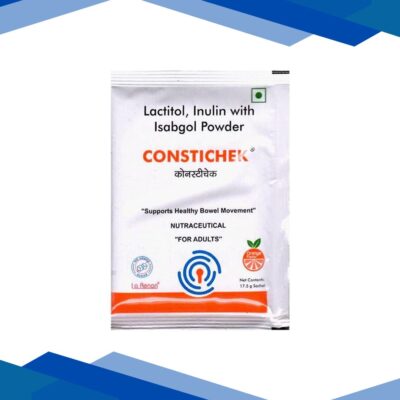
CONSTICHEK ADULT NO ADDED SUGAR ORANGE FLAVOR Powder 17.5g
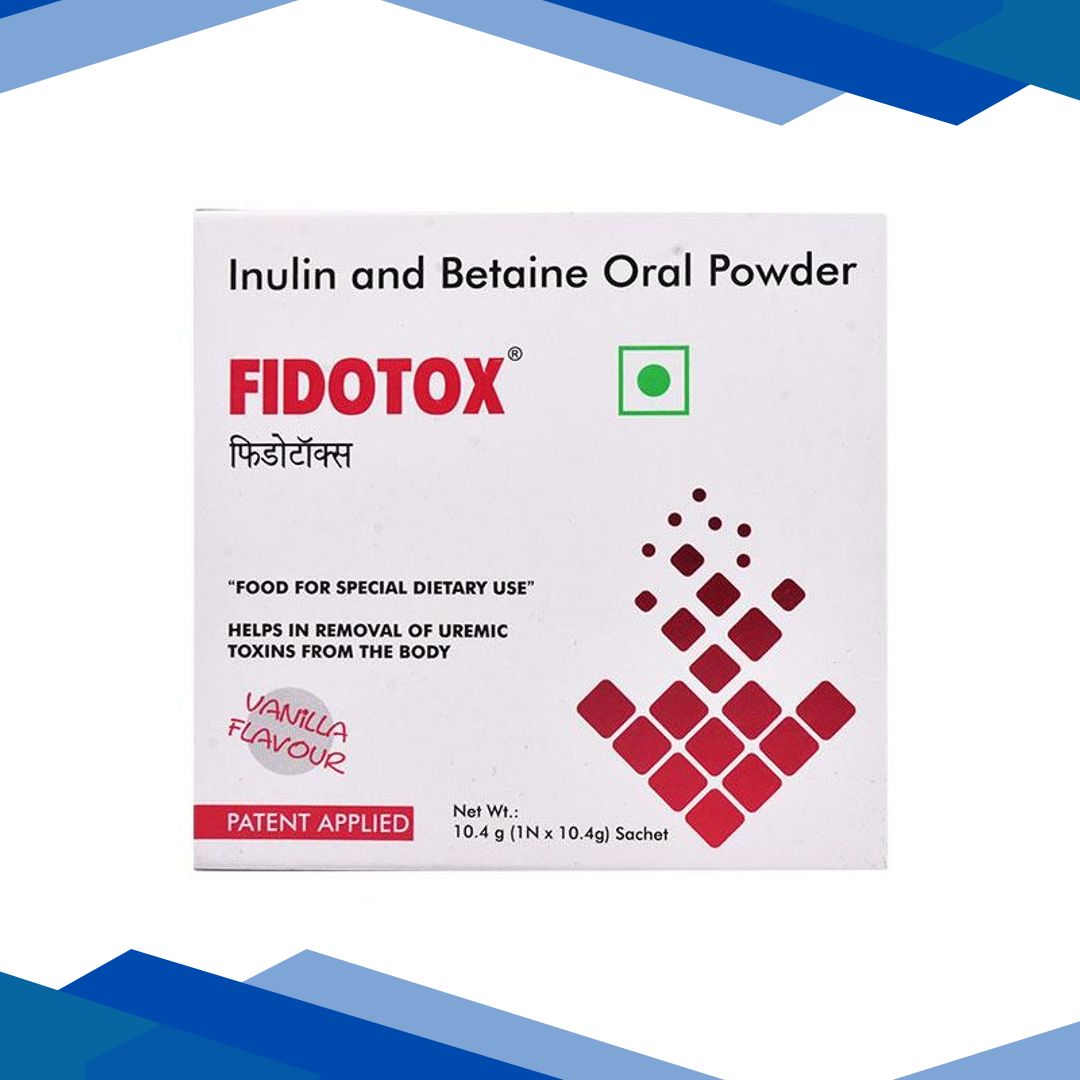
FIDOTOX VANILLA FLAVOUR Oral Powder 10.4gm
Inulin: The Everyday Guide to Digestive Health, Digestion & More
Inulin is a fermentable, soluble carbohydrate and one particular type from a group of carbohydrates called fructans. Inulin differs from most carbohydrates because the small intestine cannot digest it, so it goes straight to the large intestine, where it becomes a “superfood” (prebiotic) for your beneficial gut bacteria. Typically taken from chicory root or contained within foods like garlic or bananas, inulin is the compound to get if you have plans to enjoy a healthy digestive rhythm and overall well-being.
Quick Overview
Primary Function: Digestive support in the form of prebiotic fiber
Key Source: Chicory root extract
Common Brands: Gracia, Inufib, Gastro-Safe
Available Forms: Soluble powder, chewable capsules, fortified capsules
Why Should You Use It?
Inulin is more than just a remedy for constipation; it actively supports a healthy microbiome:
Supporting Those “Helpful” Bacteria: By nourishing strains like Bifidobacteria, inulin helps displace harmful strains and supports overall gut resilience.
Exodus Route of the Intestine: It draws water into the gut and creates a gel-like consistency, which softens stool and promotes regular, comfortable bowel movements.
Weight Control and Satiety: Research suggests it influences hunger-related hormones, helping you feel fuller for longer after meals.
Blood Sugar Regulation: It slows glucose release, leading to a more stable rise in blood sugar—making it helpful in prediabetes or type 2 diabetes management.
Getting the Best Results
For first-time users of soluble fiber supplements, the digestive system needs time to adjust:
A Little at a Time: Start with small amounts rather than full doses (around 2–3 grams per day initially).
Step by Step: Gradually increase intake over 1–2 weeks until reaching about 10–15 grams daily.
Hydrate: Fiber absorbs water—drink 8–10 glasses of water daily to prevent cramps or discomfort.
Safety and Indications for Observance
For the most part, inulin is safe; however, it may cause some digestive discomfort if taken too quickly in large amounts:
Sensitivity to Digestion: Individuals with FODMAP sensitivity or IBS (Irritable Bowel Syndrome) may experience gas or bloating—consult a dietitian before use.
Chronic Diseases: Patients with IBD (Inflammatory Bowel Disease) or intestinal obstruction should use it only under medical supervision.
Pregnancy: While dietary amounts are generally safe, high-dose supplements should be used cautiously—consult your doctor.
Frequently Asked Questions
1. Is inulin and psyllium husk the same thing?
No. Both are soluble fibers, but their roles differ. Psyllium acts as a bulk-forming fiber, while inulin works as a prebiotic fiber that feeds beneficial gut bacteria. Some people combine both for improved bowel health.
2. May I add inulin powder to hot tea or coffee?
Yes. Inulin is heat stable and dissolves easily in hot beverages without altering taste. It can also be added to smoothies, yogurt, or even used in baking as a fat replacer.
3. Can inulin aid in weight loss?
It may support weight loss by enhancing satiety signals and increasing short-chain fatty acid (SCFA) production in the gut, which can naturally reduce calorie intake over time.
4. How quickly are improvements in digestion noticed?
For constipation, improvements may appear within 2–4 days. For broader gut health and metabolic benefits, consistent use over 4–8 weeks is recommended.
5. Can I take it if I have diabetes?
Yes, it is often beneficial. Inulin may improve insulin sensitivity and support healthier HbA1c levels. However, monitor blood sugar levels and inform your doctor when incorporating it into your routine.