

Showing all 6 resultsSorted by popularity
Filter
Iodine: An Essential Trace Mineral
Iodine is an essential trace element that the body cannot produce on its own. It acts as a key component for the synthesis of thyroid hormones—Thyroxine (T4) and Triiodothyronine (T3), which regulate metabolism, body temperature, and heart rate.
While many people obtain iodine through iodized salt, certain groups—such as pregnant women and those on restrictive diets—may be at risk of deficiency, leading to conditions like goiter or fatigue.
Iodine’s Obvious Benefits for Your System
Thyroid Support: Essential for the production of hormones regulating energy metabolism.
Brain Development: Crucial during pregnancy for proper fetal brain and nervous system development.
Metabolic Regulation: Helps prevent sluggish metabolism and weight gain linked to hypothyroidism.
Skin & Hair Health: Supports healthy skin turnover and strong hair follicles through hormonal balance.
Directions on Usage and Dosage
Standard Adult Dosage: Typically 150 mcg daily, though individual needs may vary.
Pregnancy/Lactation: Increased requirement of approximately 220–290 mcg daily.
General Directions: Best taken with meals or warm water, especially for those with a sensitive stomach.
Consistency: Take at the same time daily to maintain stable iodine levels.
Zone of Safety
Consult Your Doctor First: Individuals with thyroid disorders (e.g., Hashimoto’s thyroiditis or Graves’ disease) should only use iodine under medical supervision.
Renal Health: Use cautiously in patients with kidney disease, as iodine is primarily excreted via the kidneys.
Drug Interactions: May interact with diuretics and ACE inhibitors—always inform your healthcare provider.
Common Side Effects
At recommended doses, iodine is generally safe, but excessive intake may cause:
Metallic taste in the mouth
Mild stomach upset or nausea
Skin rash or acne (rare, usually with high doses)
Frequently Asked Questions (FAQs)
Q: Can I get enough iodine from my diet?
A: Yes, if you consume iodized salt, dairy, eggs, and seafood (e.g., cod, seaweed). However, vegans or those limiting salt may require supplementation.
Q: Is Potassium Iodide the same as Iodine?
A: Potassium Iodide (KI) is a commonly used, well-absorbed form of iodine in supplements.
Q: Will iodine help with weight loss?
A: It is not a weight-loss supplement. However, correcting an iodine deficiency may improve metabolism if hypothyroidism is present.
Q: Can I use iodine ointment (e.g., Betadine) for supplementation?
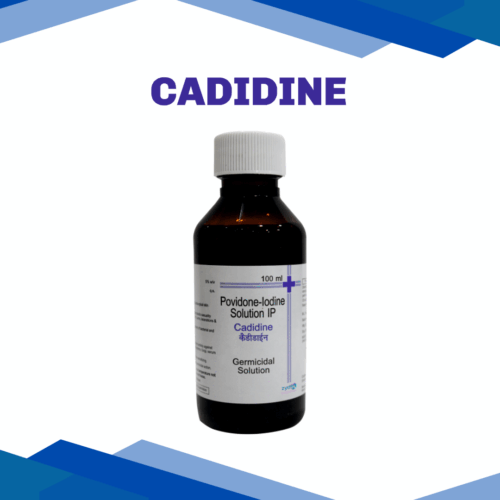
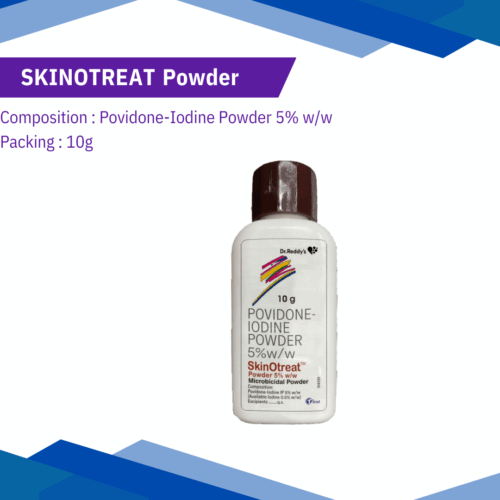
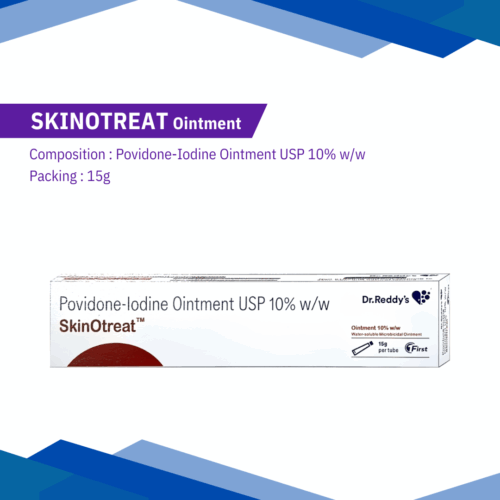
A: No. Topical iodine products like Betadine are antiseptics and not safe or effective for nutritional supplementation.
Q: How do I know if I am iodine deficient?
A: Symptoms may include goiter (neck swelling), fatigue, cold intolerance, and dry skin. Diagnosis can be confirmed through blood or urine tests by a healthcare provider.