

Showing the single result
Filter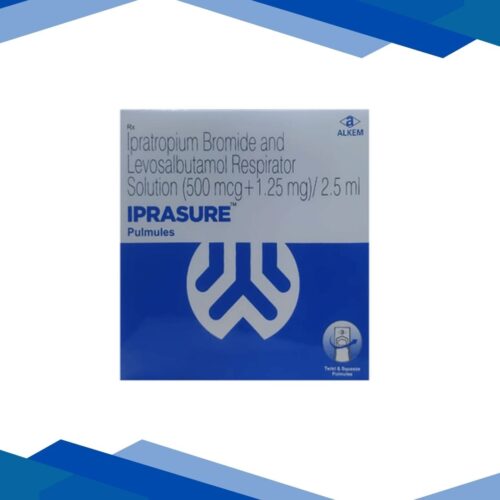
Ipratropium Bromide
Ipratropium Bromide is a highly acclaimed anticholinergic bronchodilator. It works by blocking the action of acetylcholine in the bronchial smooth muscles, helping the airways remain open. This medication is commonly used in COPD (Chronic Obstructive Pulmonary Disease), including emphysema and chronic bronchitis, and also as an adjunct therapy in asthma.
Main Therapeutic Uses
Chronic Maintenance: Helps prevent shortness of breath and wheezing in COPD on a daily basis.
Airway Relaxation: Relaxes the muscles around the airways, allowing improved airflow.
Mucus Control: Reduces excessive mucus production in the lungs and nasal passages.
Life Support: Often used via nebulization in acute asthma exacerbations along with Salbutamol.
Available Dosage Forms
Ipratropium Bromide is available in multiple forms depending on patient needs:
- Metered-Dose Inhaler (MDI): A portable inhaler used for daily maintenance.
- Respules / Nebulizer Solution: Used for moderate to severe symptoms, allowing deeper drug delivery into the lungs.
- Nasal Spray: Effective for treating rhinorrhea (runny nose) due to allergies or common cold.
How to Use It Properly
Regular Use: Take Ipratropium Bromide at the same time daily to maintain open airways, separate from rescue inhalers.
Inhalation Technique: Inhale deeply and slowly, continue inhaling after activating the inhaler, hold breath for ~10 seconds, then exhale.
Eye Safety: Avoid contact with eyes, as it may cause blurred vision or trigger narrow-angle glaucoma.
Warnings
Emergency Use: This is not a rescue medication for sudden asthma attacks. Always keep a fast-acting inhaler like Salbutamol available.
Glaucoma: Use cautiously in patients with narrow-angle glaucoma, as it may worsen the condition.
Prostate Issues: Inform your doctor if you have prostatic hypertrophy (enlarged prostate) or bladder obstruction.
Allergy: Avoid if allergic to atropine or belladonna alkaloids.
Frequently Asked Questions
Q: Is Ipratropium Bromide a steroid?
A: No, it is a non-steroidal anticholinergic bronchodilator that works by relaxing airway muscles.
Q: Can it be used in an emergency breathing situation?
A: Not typically. It starts working in about 15 minutes, with peak effect in 1–2 hours. For immediate relief, use a rescue inhaler.
Q: Why does it cause dry mouth?
A: Dry mouth (xerostomia) is a common side effect due to reduced secretions. Rinsing the mouth with water may help.
Q: How often should I clean my inhaler or nebulizer?
A: Clean the mouthpiece at least once weekly with warm soapy water and allow it to air-dry completely.
Q: Is it safe during pregnancy?
A: Use only after assessing the benefit-risk ratio with your healthcare provider.