


Showing all 5 resultsSorted by popularity
Filter
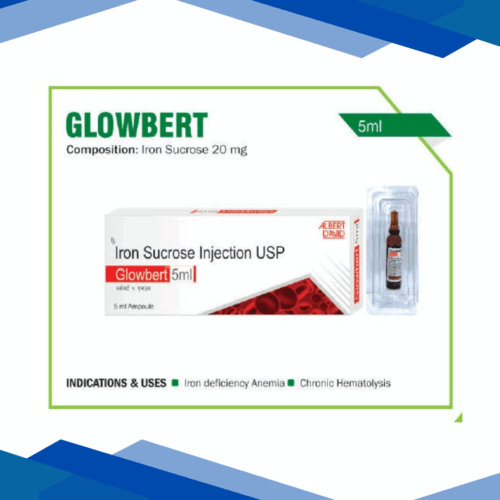
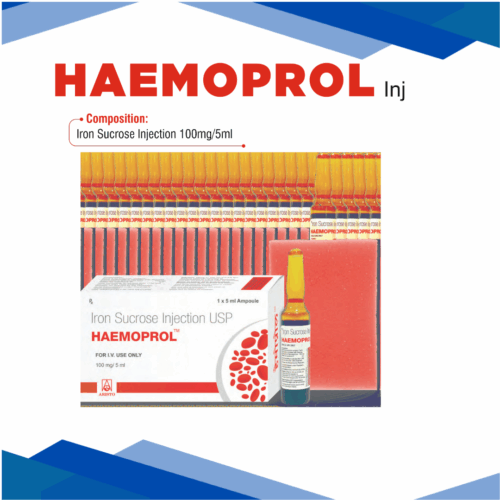
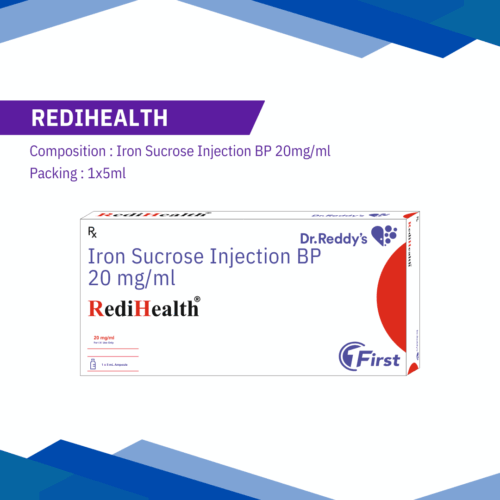
Iron Sucrose Injection
Iron Sucrose is an intravenous iron replacement therapy used in iron deficiency anemia (IDA). It is especially beneficial for patients with chronic kidney disease (CKD), whether on dialysis or not. This medication helps restore iron stores, enabling adequate production of hemoglobin, the oxygen-carrying protein in red blood cells.
Key Therapeutic Uses
Iron Deficiency Anemia (IDA): Used when oral iron is ineffective, not tolerated, or when rapid correction is required.
Chronic Kidney Disease (CKD): Highly effective in treating anemia in dialysis and non-dialysis patients.
Surgical Recovery: Administered before or after major surgery to improve iron levels and recovery, especially after significant blood loss.
How It Is AdministeredElse
Route of Administration: Given only via intravenous (IV) injection or infusion. It may be administered as a slow IV push or diluted infusion with 0.9% Sodium Chloride.
Supervision: Must be given by a healthcare professional in a clinical setting, with monitoring for allergic reactions for at least 30 minutes post-administration.
Dosage: Calculated based on body weight and hemoglobin levels, often using formulas like the Ganzoni formula.
Safety & Precaution
CRITICAL ALERT: Iron Sucrose should never be self-administered. Proper medical facilities must be available to manage hypersensitivity reactions.
Iron Overload: Contraindicated in conditions like hemochromatosis and hemosiderosis.
Allergy: Inform your doctor about any history of drug allergies, asthma, or eczema.
Pregnancy: Considered safe after the first trimester, but only if the benefits outweigh the risks—consult your obstetrician.
Blood Pressure: May cause a temporary drop in blood pressure during infusion; vital signs must be monitored.
Potential Side Effects
Most patients tolerate it well, but possible effects include:
Taste Changes: Temporary metallic taste.
Injection Site Reactions: Swelling, redness, or bruising.
Digestive Issues: Nausea, vomiting, or mild diarrhea.
Muscle & Joint Pain: Temporary aches or cramps.
Dizziness: Lightheadedness due to low blood pressure, especially shortly after infusion.
Frequently Asked Questions (FAQs)
Q: Can I take iron tablets instead?
A: In conditions like severe anemia or CKD, oral iron may not be adequately absorbed. IV iron bypasses the digestive system, ensuring complete delivery into the bloodstream.
Q: How long does it take for hemoglobin to increase?
A: Improvement is gradual. New red blood cells typically form over 2–3 weeks, with noticeable improvement in energy levels thereafter.
Q: Can Iron Sucrose stain the skin?
A: Rarely, staining can occur if extravasation (leakage outside the vein) happens. Proper IV technique minimizes this risk.
Q: Can I drive after the injection?
A: It’s best to wait and observe your response, as some individuals may experience dizziness or low blood pressure. Arrange assistance after initial doses.
Q: Should I stop oral iron if receiving injections?
A: Usually yes, as combining both may cause reduced absorption and increased gastrointestinal irritation. Always follow your doctor’s advice regarding supplementation.