
Showing 1–20 of 150 resultsSorted by popularity
Filter
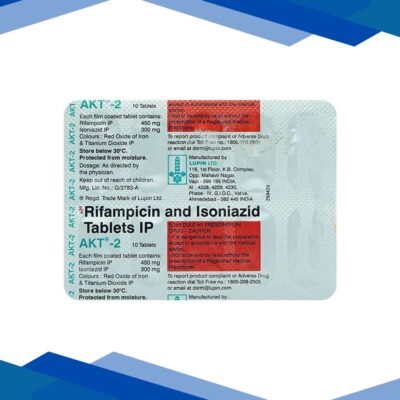
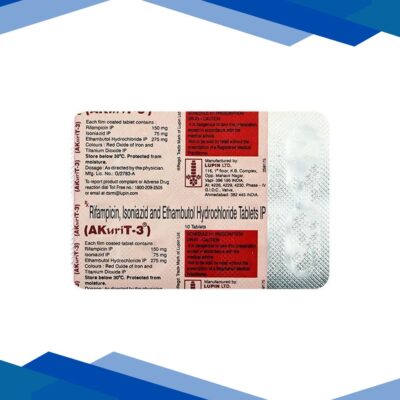















Isoniazid: The Key Uses, Dosage, and Side Effects
Isoniazid, which also goes under the acronym INH, is a front-line principal antituberculosis agent used in curing and preventing tuberculosis (TB). It serves, skillfully and selectively, as an antibacterial chemoantibiotic toward the bacterium directly involved in TB (Mycobacterium tuberculosis). Depending on the nature of the disease, it might be used alone for latent TB or in combination with other antitubercular drugs for active tuberculosis.
How Isoniazid Functions
Isoniazid, being a prodrug—signifying that it turns into the active life once it is introduced into the bodyspace-for the bacteria. It disrupts the bacteria’s production of the cell wall by specifically preventing the synthesis of mycolic acids. Without the support of a cell wall, the bacteria become unable either to progress or stay alive, which allows the body’s immune defense to dispose of the germ.
Key Therapeutic Uses
Treatment of Active Tuberculosis: Included in a basic too many drug regimen, to cure active tuberculosis.
Preventive TB Treatment: Given to patients exposed to TB but not showing signs of the disease, these prevent the infection from becoming active.
High Specificity: Specificity means that the drug is active against TB and will lessen the effects on other beneficial bacteria.
Dosing: How to Infect the infection.
Top Tip: The best time to take Isoniazid is an empty stomach, at least 1 hour prior to eating or 2 hours post prandial.
Adults: Generally, with many exceptions, 300mg is given daily, or 600-900mg is given twice weekly.
Pediatric use: Pediatric dosage is calculated with strict adherence to body weight.
Consistency: Within the scheduled time, the medicine must be administered every day if the blood level should remain stable.
Precautions and Warnings about Curdling Safety
Consult your healthcare provider before beginning an Isoniazid therapy about:
Liver: Isoniazid can harm the liver. Monitoring liver function tests (LFTs) regularly may be necessary.
Alcohol: Avoid alcohol when on medication; it greatly increases the risk of liver damage.
Vitamin B6 (Pyridoxine): Continuous use of the drug may cause depletion of Vitamin B6. Your doctor will most likely prescribe a B6 supplement to discourage any problems related to the nerves.
Kidney: Do not forget to inform the doctor about any previous kidney problems they may have.
Potential Adverse Effects
An overgrowing fraction of the patients survives the therapy; in some cases, side-effects are observed:
Numbness / Tingling: A sensation of pins and needles in the fingers or toes (Peripheral Neuropathy).
Nausea / Vomiting: This is common and might suck when starting the treatment.
Loss of Appetite: Generally, reflective of liver involvement, contact your physician immediately.
Dark Urine: If the urine is abnormally dark or your eye is jaundice, let the doctor know immediately.
Frequently Asked Questions
1. Why Vitamin B6 in combination with Isoniazid?
Taking Isoniazid might alter the way your body uses Vitamin B6, causing nerve damage (peripheral neuropathy). In order to prevent numbness or tingling of the nerves, include Pyridoxine (B6) in your medication regimen.
2. Can I stop taking the medicine if I feel better?
No. Tuberculosis is a difficult infection to handle. If you stop taking the medicines early, the remaining bacteria would develop drug resistance, so treating would be much more difficult. Always complete the entire treatment program as directed by your doctor.
3. Are there any restrictions on food?
Yes! Try to avoid food high in tyramine or histamine, such as ripe cheeses, red wine, and some types of fish (like tuna). If you do eat them during Isoniazid treatment, it can cause a sudden increase in blood pressure, flushing, or a quick and irregular heartbeat.
4. How long will the treatment go?
Duration of the treatment may vary. For latent TB, it is, on an average, 6 months, while for active TB, it comes together with a 6-month course of other medications. How quickly this will be reduced entirely depends on the course of the disease.
5. Can Isoniazid be taken during pregnancy?
Yes, Isoniazid may likely be safe for use in pregnant patients with TB, because the overall risk of untreated TB to both the patient and foetus is far greater. However, it should not be used without exact medical accountability, that is, the usual Vitamin B6 supplementation.
Medical Disclaimer: The information here is for educational purposes only and is not a substitute for professional medical advice, diagnosis, or treatment. Hence, always consult your physician or another licensed provider.