
Showing all 2 resultsSorted by popularity
Filter
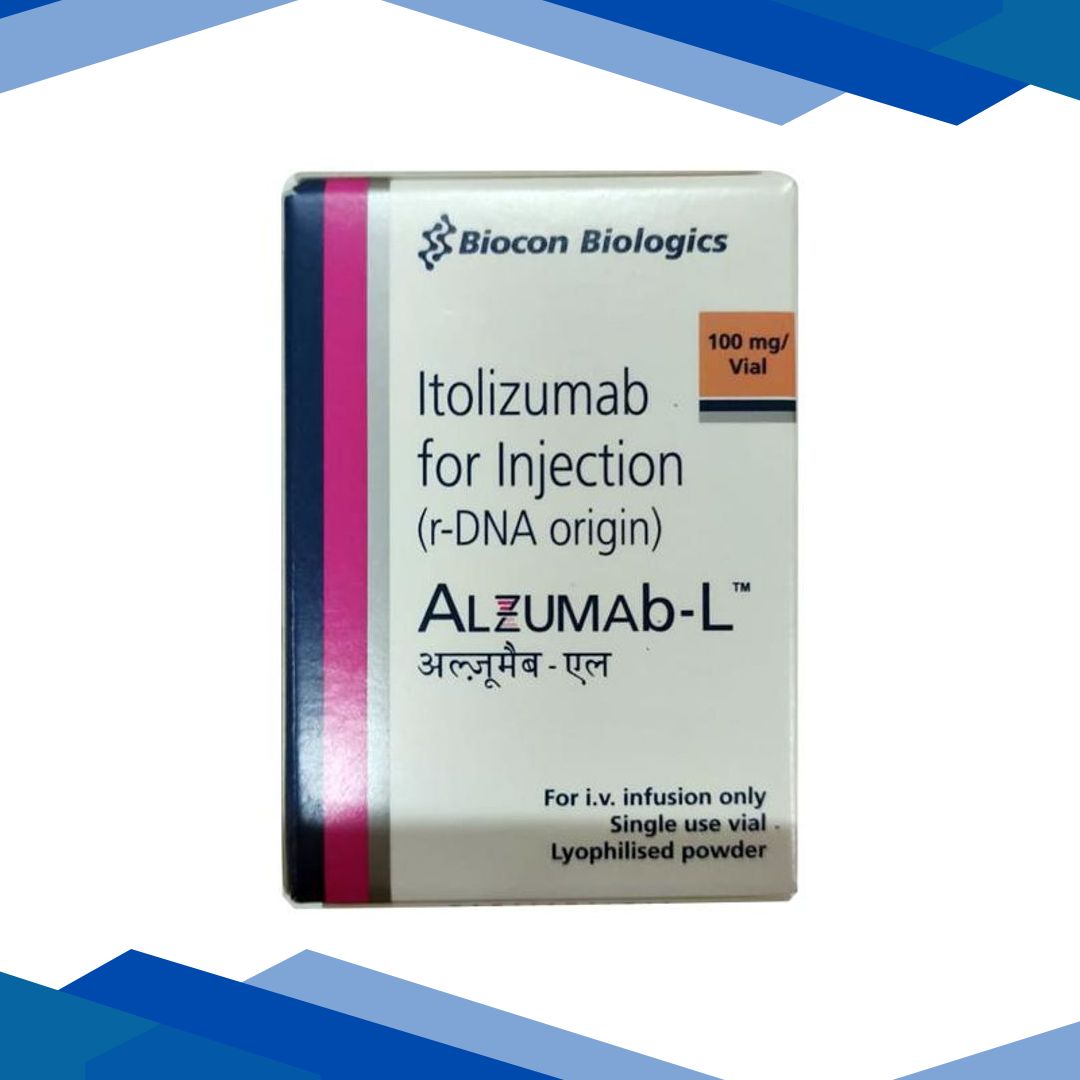
Itolizumab (Monoclonal Antibody)
Brand/Manufacturer: [Insert Brand Name, e.g., Alzumab, Alzumab-L, or Itolizac]
Form: IV Injection / Infusion | Strength: 25mg / 100mg
Product Introduction
Itolizumab is a paramount humanized monoclonal antibody that uniquely targets the T-cell CD6. By modulating the immune response that does not deplete the T-cells, it manages these severe inflammatory conditions. It was initially developed for chronic skin conditions and later got acknowledged for its use in management of cytokine storm either in severe respiratory distress conditions. Thus, it is usually used where common treatment does not hold good for autoimmune or flaring inflammation conditions that range from moderate to severe degree.
Therapeutic Uses
- Chronic Plaque Psoriasis: Managed for adults with moderate-to-severe cases who are candidates for systemic therapy or phototherapy.
- Cytokine Release Syndrome (CRS): Used in patients with moderate-severe Acute Respiratory Distress Syndrome (ARDS), as in the hospital setting, for most part.
- Occasionally, Itolizumab is explored or used in clinical settings for severe immune-mediated ocular or joint inflammation; that term bears the best expert advice.
Administration Guidelines
- Hospital Administration Only: This medication must be administered as an Intravenous (IV) Infusion by a qualified healthcare professional in a hospital setting. It is not for self-administration.
- Pre-Medication: To prevent infusion-related reactions, your doctor may give you a dose of an antihistamine or corticosteroid 30 minutes before starting the Itolizumab infusion.
- Infection Screening: Before starting, your doctor will likely screen you for Tuberculosis (TB), Hepatitis B, and other latent infections, as this drug modulates your immune system.
- Observation Period: After infusion, you will be monitored for at least 1–2 hours for any signs of fever, chills, or breathing difficulty.
Safety Information & Precautions
| Category | Advice & Warnings |
|---|---|
| Alcohol | No direct interaction known, but consult your physician regarding general health. |
| Pregnancy | Consult your Doctor. Itolizumab is generally not recommended unless the benefits outweigh the risks to the fetus. |
| Breastfeeding | Safe use has not been established; it is advised to discuss with your specialist. |
| Age Limit | Usually not recommended for patients under 18 years of age. |
Potential Side Effects
While most patients tolerate the infusion pretty well, some common side effects might accompany infusion reactions:
- Mild itching, skin rash, or dizziness during the procedure.
- Digestive Issues: Diarrhea or nausea.
- Infection Risk: Increased susceptibility to upper respiratory tract infections.
- Site Reaction: Redness or swelling at the injection site.
Frequently Asked Questions (FAQs)
1. How does Itolizumab actually work?
Itolizumab works by binding to a protein called CD6 found on the surface of T-lymphocytes (white blood cells). By blocking this pathway, it prevents the T-cells from releasing an excessive amount of pro-inflammatory “cytokines,” effectively calming the immune system’s overreaction without completely shutting it down.
2. How long does a single infusion take?
The infusion is usually given over 3–6 hours. The initial speed of infusion is very slow due to the risk for allergic reactions, and after the first hour, depending on how well the patient tolerates the infusion, the rate of infusion is usually increased.
3. Can Itolizumab cure Psoriasis permanently?
No, the drug is meant for the management of moderate-to-severe plaque psoriasis. It helps clear skin lesions and reduces inflammation significantly, but like most biological therapies, it is used to maintain remission rather than guarantee one-time permanent cure.
4. Can I get a live vaccine while on Itolizumab?
No, because Itolizumab affects your immune system, you should avoid live vaccination (like Yellow Fever or certain flu vaccines) during treatment and for the corresponding period as advised by your doctor. Always inform your healthcare provider of your vaccination history.
5. What is the difference between this and other biologics?
Itolizumab differs from some of the other biologics that target specific cytokines (like TNF-alpha or IL-17) in that Itolizumab targets the CD6 receptor on the T-cells themselves. This “upstream” approach is unique and is often why it is selected for particular types of severe inflammatory storms.