


Showing all 2 resultsSorted by popularity
Filter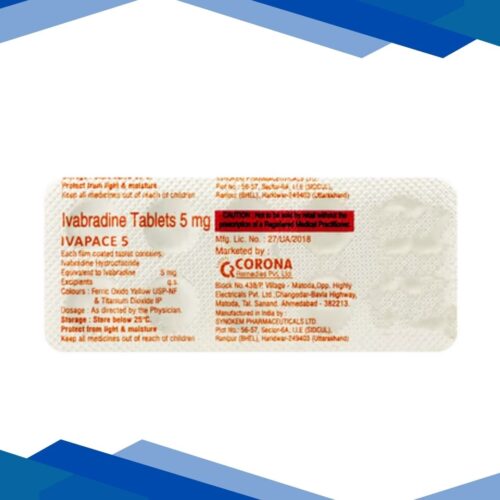
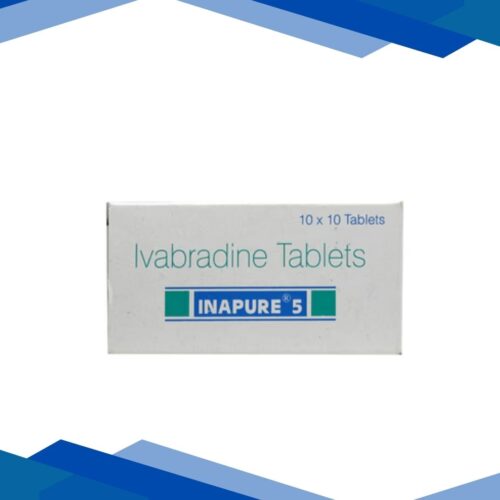
Ivabradine Tablets
Ivabradine is a proprietary medication used to treat chronic stable angina and heart failure (CHF). Unlike beta-blockers, which reduce heart rate and blood pressure, Ivabradine works by selectively inhibiting hyperpolarization-activated cyclic nucleotide-gated (HCN) channels. This action slows the sinoatrial node (SAN), the heart’s natural pacemaker, without significantly affecting blood pressure or ventricular contraction.
Major Therapeutic Uses
- Heart Failure (CHF): Reduces cardiac workload and lowers the risk of hospitalization.
- Chronic Stable Angina: Helps control anginal symptoms in patients with a resting heart rate ≥70 bpm, especially when beta-blockers are not tolerated.
- Off-label Uses: Sometimes used for Postural Orthostatic Tachycardia Syndrome (PoTS) and inappropriate sinus tachycardia under specialist supervision.
Dose Management
According to Food: Take with or soon after food to improve absorption.
Dosage: Typically taken twice daily—morning and evening.
Regularity: Maintain consistent timing each day.
Avoid Grapefruit: Do not consume grapefruit or grapefruit juice, as it can increase Ivabradine levels to unsafe levels.
Quick Safety Checklist
Note: Ivabradine is not a rescue medication for acute angina attacks. Use prescribed fast-acting nitrates instead.
Pregnancy: May cause harm to the unborn baby; effective contraception is required.
Monitoring: Regular ECG (EKG) and heart rate monitoring are necessary; ideal resting heart rate should remain around 50–60 bpm.
Common Side Effects
Most patients tolerate Ivabradine well, but possible effects include:
Visual disturbances (Phosphenes): Temporary flashes of light or increased brightness, especially during light transitions.
Bradycardia: Abnormally slow heart rate—seek medical advice if you feel faint, dizzy, or fatigued.
Headache or dizziness: Usually mild and temporary.
Q & A
Q: Is Ivabradine a beta-blocker?
A: No. While both reduce heart rate, beta-blockers also lower blood pressure and reduce contractility, whereas Ivabradine selectively slows heart rate without these additional effects.
Q: I see bright spots in my vision. Should I be worried?
A: These are known as phosphenes and are usually temporary. They often resolve within the first few months of treatment.
Q: What if a dose is missed?
A: Skip the missed dose and continue with the next scheduled dose. Do not double the dose, as it may cause excessively low heart rate.
Q: Can I use Ivabradine with other heart medications?
A: Often yes, but inform your doctor if you are taking diltiazem, verapamil, or certain antifungals/antibiotics, as drug interactions may occur.
Q: How soon will I feel the benefits?
A: Heart rate reduction may occur within hours, while improvement in angina symptoms and exercise tolerance may take 2–4 weeks.