
Showing 1–20 of 63 resultsSorted by popularity
Filter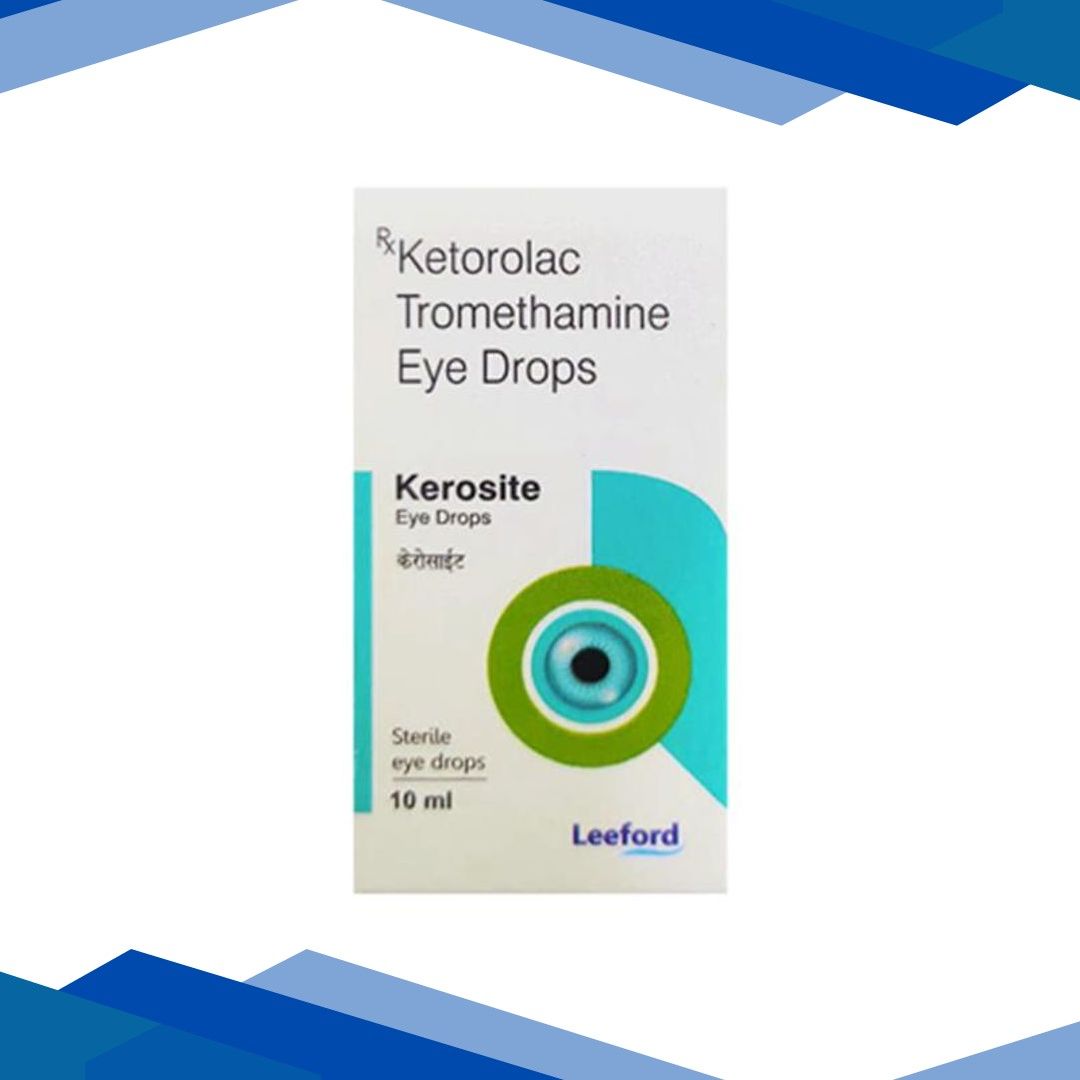

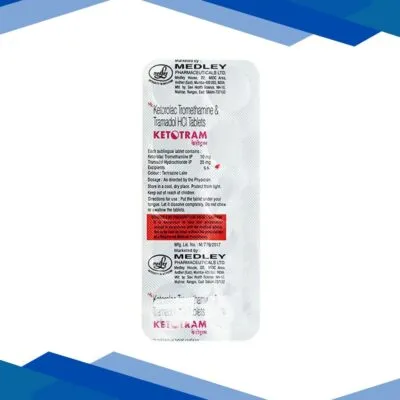
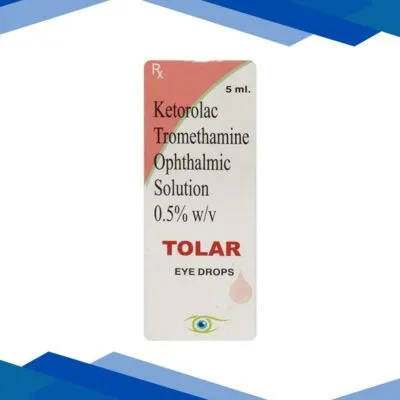
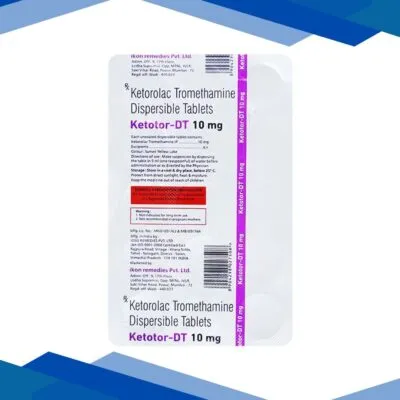
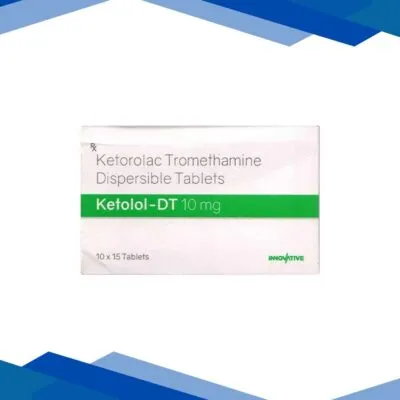
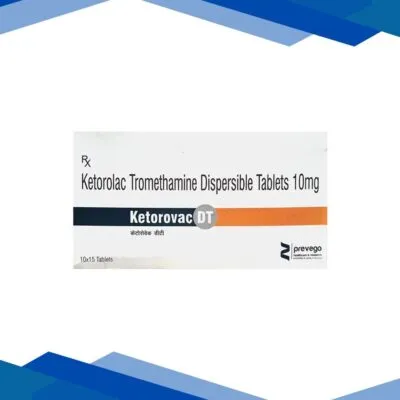
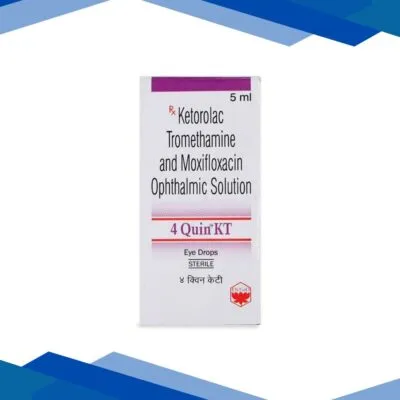
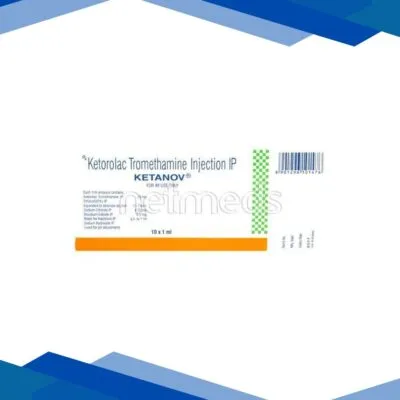
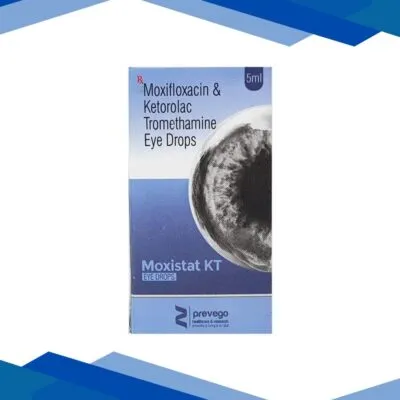
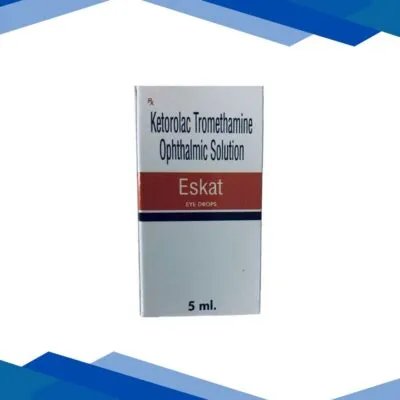
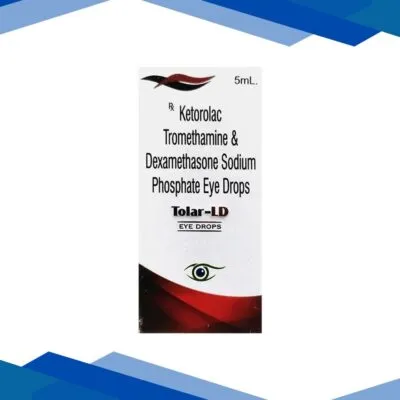
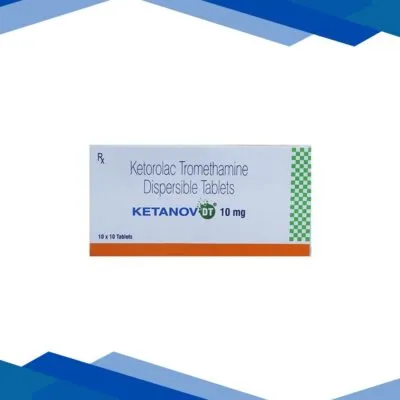
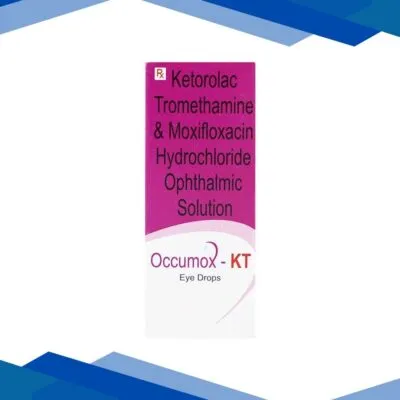
Tablet of Ketorolac 10 mg
Ketorolac is a highly potent nonsteroidal anti-inflammatory drug (NSAID) used for the short-term management of moderate to severe acute pain. Due to its strong analgesic effect, it is often compared to opioids, but without the risk of physical dependence. It is commonly prescribed for post-operative pain and dental procedures.
Usage
1. Post-operative Recovery: Effective for severe pain following orthopedic, gynecological, or abdominal surgeries.
2. Dental Procedures: Useful in managing toothaches and post-extraction pain.
3. Acute Injuries: Helps relieve musculoskeletal pain from sprains and strains.
4. Inflammation Control: Works by inhibiting cyclooxygenase enzymes (COX-1 and COX-2), reducing inflammation and pain.
Intake of Ketorolac
Duration and Limitations: Should not be used for more than 5 days due to increased risk of kidney damage and stomach complications.
With Meals: Always take with food, snacks, or milk to protect the stomach lining.
Body Position: Avoid lying down immediately after taking the tablet to prevent throat irritation.
Dosage: Provides relief every 4–6 hours as needed. Do not exceed 40 mg per day unless prescribed.
Notes on Safety
Important: Not suitable for mild or chronic pain conditions like headaches or arthritis. It is strictly for short-term acute pain.
Stomach Health: Use cautiously if there is a history of ulcers. Discontinue if black stools or persistent stomach pain occur.
Kidney Function: Maintain adequate hydration. Consult a doctor if you have kidney disease.
Cardiovascular Health: Prolonged use may increase risk of heart-related complications, similar to other NSAIDs.
Side Effects
Some users may experience:
Common Effects: Dizziness, drowsiness, nausea, headache, or mild stomach cramps.
Serious Reactions: Seek immediate help if you notice facial swelling, difficulty urinating, shortness of breath, or skin rash.
Frequently Asked Questions (FAQs)
Q: Is Ketorolac a narcotic or a steroid?
A: No. It is a non-steroidal anti-inflammatory drug (NSAID). While very strong, it is non-addictive and does not cause dependence.
Q: Why is Ketorolac limited to 5 days?
A: Because prolonged use significantly increases the risk of serious side effects, including stomach ulcers and kidney damage.
Q: Can I take ibuprofen or aspirin with Ketorolac?
A: No. Avoid combining with other NSAIDs like Ibuprofen, Naproxen, or Aspirin due to increased risk of bleeding and ulcers.
Q: Does Ketorolac cause drowsiness?
A: Some individuals may experience dizziness or drowsiness. Avoid driving or operating machinery until you know how it affects you.
Q: What should I do if I miss a dose?
A: Take it as soon as you remember. If the next dose is near, skip the missed dose. Do not double the dose.