
Showing all 2 resultsSorted by popularity
Filter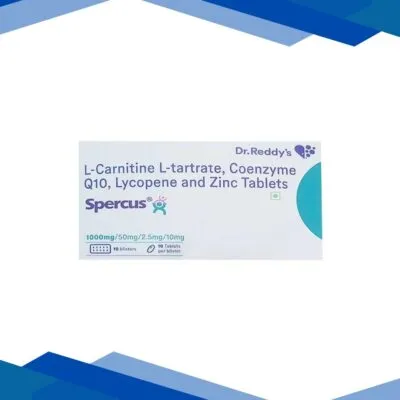
Spercus 1000/50/2.5/10 mg Tablet 10’S
L-Carnitine L-Tartrate: Overview, Uses, and Side Effects
L-Carnitine L-Tartrate (LCLT) is a highly stable, rapidly absorbed salt form of L-carnitine, an amino acid derivative that plays a foundational role in cellular energy production. It is formed by chemically bonding pure L-carnitine to L-tartaric acid, a powerful organic acid that enhances bioavailability and absorption rates.
Inside the human body, L-carnitine serves as a biological shuttle. It binds to long-chain fatty acids in the bloodstream and transports them across cellular membranes directly into the mitochondria—the “powerhouses” of your cells. Once inside, these fats are oxidized and burned as usable fuel ($ATP$). Because of its rapid absorption rate, the L-tartrate variation is highly favored in sports medicine and metabolic therapy to boost fat metabolism and accelerate muscle tissue recovery.
Key Benefits & Uses
Physicians, sports nutritionists, and cardiologists recommend L-Carnitine L-Tartrate to support several distinct physical and metabolic goals:
-
Accelerating Post-Exercise Muscle Recovery: Reducing muscle damage, structural tissue breakdown, and delayed onset muscle soreness (DOMS) after intense physical training by optimizing localized oxygen delivery and cellular repair.
-
Enhancing Energy Production & Fat Metabolism: Shuttling fatty acids into the mitochondria to be burned for cellular energy, supporting natural stamina, fatigue management, and metabolic health.
-
Supporting Male Reproductive Health: Improving sperm count, structural morphology, and forward motility by providing intense cellular energy directly to maturing reproductive cells.
-
Cardiovascular Support: Helping to maintain optimal energy production in heart muscles, which rely heavily on fatty acid oxidation to sustain continuous, healthy cardiac contractions.
How to Take L-Carnitine L-Tartrate Correctly
-
Optimal Timing for Athletes: If you are taking this supplement to improve athletic recovery and energy, consume your dose 30 to 60 minutes before your workout, or immediately post-workout alongside a recovery meal.
-
Pair with Carbohydrates: L-carnitine relies heavily on the hormone insulin to be efficiently driven into skeletal muscle tissue. Taking your supplement alongside a meal containing healthy carbohydrates or a protein shake can drastically maximize its cellular uptake.
-
Avoid Bedtime Dosing: Because LCLT enhances cellular energy production and alertness, taking it late in the evening can occasionally disrupt sleep patterns in sensitive individuals. Aim to take it during the morning or afternoon.
Safety Advice & Vital Precautions
| Category | Guidance |
| Thyroid Health Intersections | Crucial Caution. L-carnitine can act as a peripheral antagonist to thyroid hormone action. If you have hypothyroidism or are taking daily thyroid replacement medication (like Levothyroxine), avoid L-carnitine unless explicitly cleared by your endocrinologist. |
| Seizure History | Individuals with a personal history of epilepsy or seizure disorders should avoid L-carnitine, as some clinical reports indicate it may increase the frequency or severity of seizures. |
| Kidney Disease (CKD) | If you have severe kidney disease or are undergoing dialysis, avoid high-dose oral carnitine supplements due to the potential buildup of metabolic byproducts in the bloodstream. |
| Pregnancy & Lactation | While L-carnitine is naturally present in the body and breast milk, safety data for high-dose therapeutic supplementation during pregnancy is limited. Consult your obstetrician first. |
Common Side Effects
L-Carnitine L-Tartrate is exceptionally well-tolerated by the human body when taken within standard daily recommended limits. However, mild adjustments can happen:
-
Mild digestive changes, including nausea, stomach discomfort, or abdominal bloating
-
Mild loose stools or diarrhea (typically only occurs if the daily dose exceeds 3 grams)
-
A temporary, harmless increase in body temperature or mild sweating due to elevated metabolic activity
-
A distinct, fishy body odor or breath, caused by the gut bacteria breaking down excess unabsorbed carnitine into a compound called trimethylamine (rare at standard dosages)
When to consult your doctor: Discontinue use and contact your healthcare provider if you experience persistent abdominal cramping, a sudden severe headache, or unexpected muscle weakness.
Frequently Asked Questions (FAQs)
Q: How does L-Carnitine L-Tartrate differ from Acetyl L-Carnitine (ALCAR)?
The difference lies in where they primarily operate in the body due to their unique chemical attachments. L-Carnitine L-Tartrate is absorbed rapidly by skeletal muscle tissue, making it the premier choice for physical energy, fat metabolism, and athletic recovery. Acetyl L-Carnitine (ALCAR) possesses an acetyl group that allows it to easily cross the blood-brain barrier, making it better suited for neurological health, cognitive focus, and memory support.
Q: What is the typical daily effective dosage of L-Carnitine L-Tartrate?
In clinical settings and sports performance protocols, the standard daily dosage ranges between 1,000 mg and 3,000 mg (1 to 3 grams) of active L-Carnitine L-Tartrate. It is often recommended to start with a lower dose (e.g., 1,000 mg split across two daily meals) to assess your digestive tolerance before gradually increasing the amount under medical guidance.
Q: What should I do if I miss a scheduled daily dose?
If you take this supplement on a regular daily schedule, take the missed dose as soon as you remember with a meal. However, if it is already late in the evening and close to your bedtime, skip the missed dose entirely to prevent any nighttime restlessness, and simply resume your routine the following morning. Do not take a double dose to compensate.
Q: Do strict vegetarians and vegans need to supplement with L-Carnitine?
The human body naturally synthesizes its own internal supply of L-carnitine from the amino acids lysine and methionine. However, the primary dietary sources of pre-formed carnitine are red meat and dairy products. Because plant-based diets contain virtually no carnitine, strict vegetarians and vegans typically have lower baseline tissue levels and may experience noticeable benefits in energy or athletic recovery from targeted supplementation.
Disclaimer: The metabolic, sports medicine, and clinical insights provided on this page are intended strictly for general educational purposes. They cannot replace a personalized, professional medical consultation, diagnosis, or treatment plan from a certified physician, endocrinologist, or sports nutritionist. Always consult your doctor before beginning a new dietary supplement routine.