
Showing all 9 resultsSorted by popularity
Filter

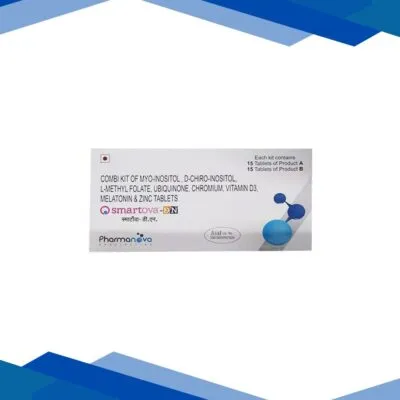
SMARTOVA DN TABLET Combi Kit 1’s
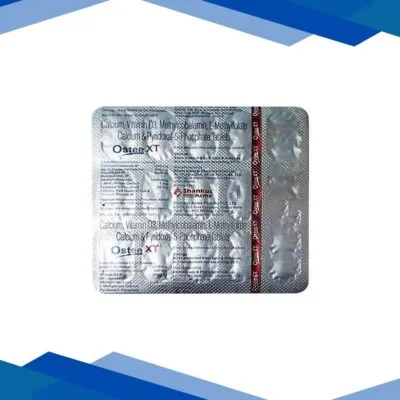
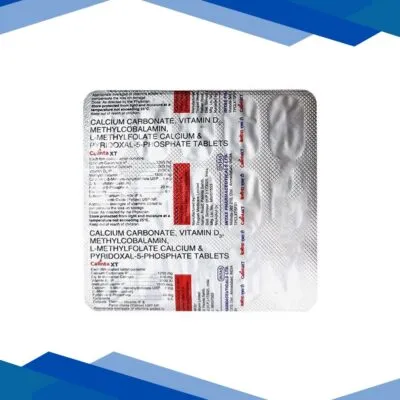
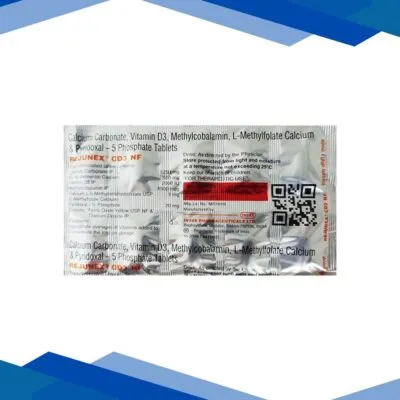
REJUNEX CD3 NF Tablet 10’s
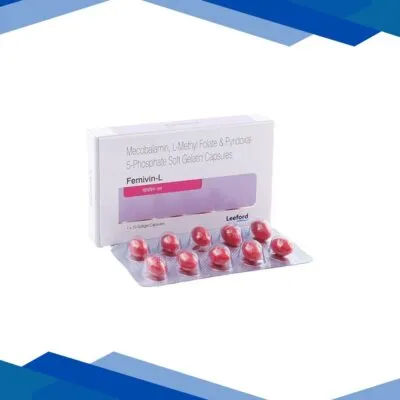
FEMIVIN L Softgel Capsule 10’s
L-Methylfolate: Overview, Uses, and Side Effects
L-Methylfolate (scientifically known as Levomefolic acid or 5-MTHF) is the biologically active, fully broken-down form of Vitamin B9.
Unlike synthetic folic acid or dietary folates found in food, which require a complex, multi-step enzymatic process in the liver and gut to become usable, L-Methylfolate requires absolutely no conversion. It is immediately ready for your body to absorb. It is structurally unique because it is the only form of Vitamin B9 capable of crossing the blood-brain barrier. Inside the central nervous system, it acts as a foundational spark plug for methylation, a biochemical process essential for DNA repair, cellular detoxification, and the creation of vital mood-regulating neurotransmitters.
Key Benefits & Uses
Psychiatrists, neurologists, and OB/GYNs frequently recommend L-Methylfolate to treat specific metabolic and neurological conditions:
-
Enhancing Depression Treatment: Prescribed as a high-authority clinical medical food to supplement standard antidepressants (SSRIs/SNRIs). Because it crosses the blood-brain barrier, it directly drives the synthesis of serotonin, dopamine, and norepinephrine, helping patients who have had an incomplete response to traditional antidepressants.
-
Bypassing MTHFR Genetic Mutations: Providing the exact active nutrient needed by individuals with mutations in the MTHFR ($methylenetetrahydrofolate\ reductase$) gene. People with this genetic variation cannot efficiently convert standard folic acid into its active form, making direct L-Methylfolate supplementation critical.
-
Lowering Homocysteine Levels: Safely reducing high levels of homocysteine in the blood, an amino acid byproduct linked to an elevated risk of cardiovascular disease, arterial damage, and cognitive decline.
-
Supporting Neural Development: Safeguarding early fetal development during pregnancy by preventing neural tube defects (such as spina bifida), especially in mothers with documented folate-processing issues.
How to Take L-Methylfolate Correctly
-
Flexible Dosing: L-Methylfolate can be taken with or without food. Taking it with a morning meal is often preferred, as the dynamic cellular energy and neurotransmitter changes it supports can occasionally feel mildly stimulating.
-
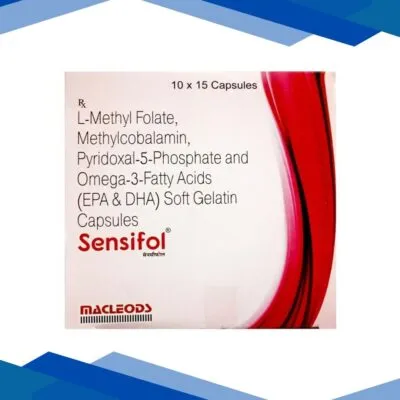
The B-Complex Synergy: For optimal systemic performance, L-Methylfolate should ideally be taken alongside active forms of Vitamin B12 (Methylcobalamin) and Vitamin B6 (Pyridoxal-5-Phosphate), as these vitamins work together as a structural trio to manage cellular methylation.
-
Avoid Overlapping Synthetic Folic Acid: If you have an MTHFR mutation and are taking high-dose L-Methylfolate, check your other multivitamins or fortified foods. Flooding your system with synthetic folic acid can clog your cellular receptors, making it harder for the active methylfolate to do its job.
Safety Advice & Vital Precautions
| Category | Guidance |
| The B12 Masking Risk | Crucial Warning. High doses of folate can correct the anemia caused by a Vitamin B12 deficiency while allowing the underlying, dangerous neurological damage of B12 deficiency to progress undetected. Always have your B12 levels checked before starting high-dose folate therapy. |
| Bipolar Disorder Warning | Because L-Methylfolate actively stimulates the production of mood neurotransmitters, it can occasionally trigger severe anxiety, agitation, or a manic episode in individuals with underlying, undiagnosed bipolar disorder. |
| Seizure Medications | Folates can increase the metabolism of certain anti-epileptic medications (like Phenytoin, Fynex, or Phenobarbital), potentially lowering their blood levels and increasing the risk of breakthrough seizures. |
| Pregnancy Adjustments | While exceptionally beneficial for preventing birth defects, therapeutic medical-food doses (e.g., 7.5 mg to 15 mg) used in depression management are vastly higher than standard prenatal needs. Always verify your specific daily dose with your obstetrician. |
Common Side Effects
L-Methylfolate is naturally utilized by human cells and has an excellent safety profile. However, when introducing a highly active methyl donor to the body, a minority of individuals may experience mild adjustments:
-
Mild digestive changes, such as nausea, gas, or brief abdominal bloating
-
A temporary increase in restlessness, mild anxiety, or a jittery sensation
-
A mild headache or trouble falling asleep (if taken late in the evening)
-
A mild, transient skin rash or itching
The “Over-Methylation” Flare: If you experience a sudden wave of irritability, intense muscle aches, or severe anxiety after a few days of use, your dose may be too high for your body’s current metabolic pacing. Inform your doctor to safely calibrate your daily intake.
Frequently Asked Questions (FAQs)
Q: Why can’t I just take standard, inexpensive Folic Acid instead?
Folic acid is a synthetic form of Vitamin B9. For it to help your brain or protect your cells, your body must convert it using an enzyme called MTHFR. Statistically, up to 40% to 50% of the global population carries a genetic variation in this enzyme, meaning their bodies process folic acid very poorly. Unconverted folic acid can float around in the bloodstream, causing metabolic backup. L-Methylfolate bypasses this entire biological roadblock, ensuring immediate cellular utilization regardless of your genetics.
Q: What is the typical daily effective dosage of L-Methylfolate?
Dosages vary significantly based on the clinical target. For general nutritional support, everyday MTHFR management, or prenatal care, daily dosages range from 400 mcg to 1,000 mcg (0.4 mg to 1 mg). However, when used as a specialized medical food to treat major depressive disorder, clinical doses are substantially higher, typically ranging between 7.5 mg and 15 mg per day under strict psychiatric supervision.
Q: What should I do if I miss a scheduled daily dose?
L-Methylfolate is a daily metabolic support. If you forget to take your dose in the morning, take it as soon as you remember that afternoon. However, if it is already late in the evening or close to bedtime, skip the missed dose entirely to avoid any potential nighttime restlessness, and simply resume your routine the following morning. Do not take a double dose to catch up.
Q: Can I stop taking my prescription antidepressant if L-Methylfolate works well?
No, absolutely not. L-Methylfolate is classified as an “adjunctive therapy,” meaning it is explicitly designed to work with your current antidepressant, not replace it. It functions by providing the raw materials your brain needs to build the very neurotransmitters that your prescription medication helps sustain. Never alter or discontinue any psychiatric medication without the direct guidance of your doctor.
Disclaimer: The neurological, psychiatric, and metabolic insights provided on this page are intended strictly for general educational purposes. They cannot replace a personalized, professional medical consultation, diagnosis, or treatment plan from a certified psychiatrist, neurologist, or physician. Always consult your doctor before beginning a new dietary supplement or medical food routine.