
Showing all 3 resultsSorted by popularity
Filter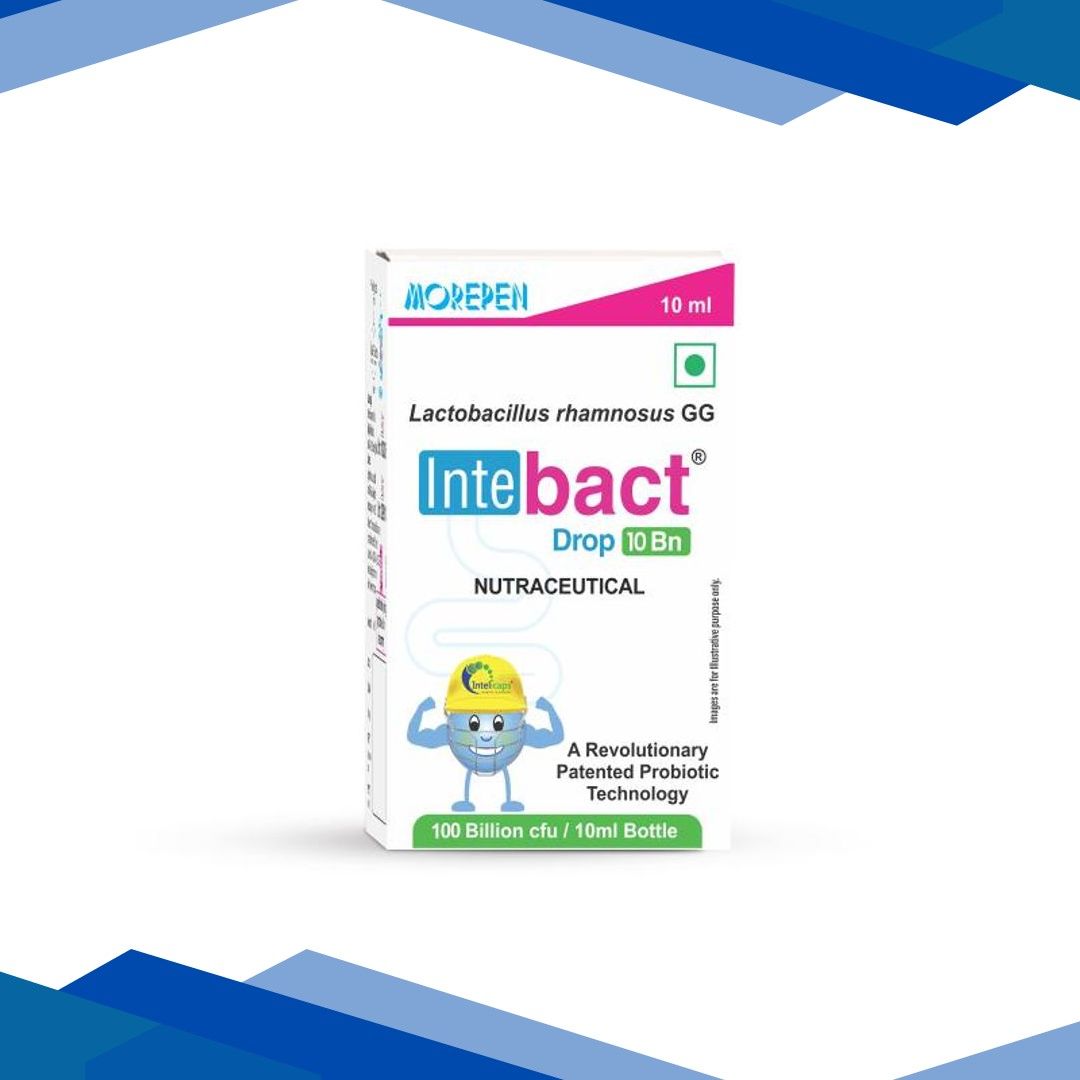
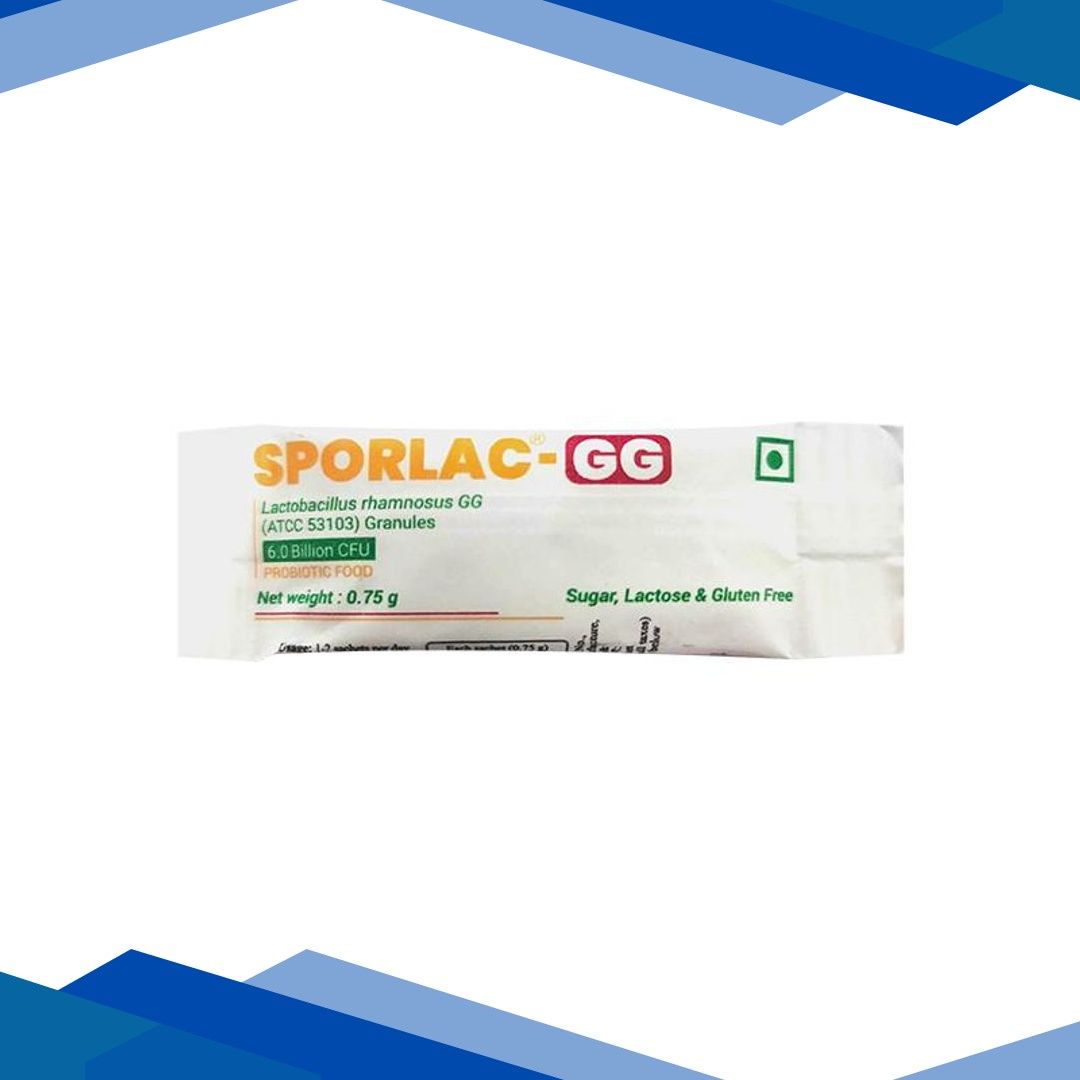
SPORLAC GG SUGAR,LACTOSE & GLUTEN FREE Granules 0.75g
LYGYLAC VANILLA FLAVOUR MOUTH MELT Sachet 1g
Lactobacillus rhamnosus GG: Benefits, Uses and Expert Guide
One of the most well-researched probiotic strains in the world, Lactobacillus rhamnosus GG is popularly known as a “friendly” microorganism that naturally goes to the human GI tract to stay there. LGG is prevalent, as it can handle stomach acid and pass through the harsh gastric environment to finally reach the intestines, helping restore the optimum balance of gut microbiota. Whether you’re recovering from antibiotics or managing chronic GI distress, it provides a living blanket for the gut.
Key Highlights
Primary Use: Management of diarrhea, IBS symptoms, and antibiotic recovery
Unique Feature: High adherence to the intestinal wall for longer-lasting benefits
Common Brands: Darolac, Bifilac GG, Vizylac GG, Econorm
Available Forms: Capsules, sachet (powder), and oral drops for infants
How does it help the body?
Lactobacillus rhamnosus GG works through several mechanisms:
Competitive Inhibition: LGG attaches to the gastrointestinal lining, making it difficult for harmful bacteria to colonize and grow.
Antibiotic-Associated Diarrhea (AAD): Antibiotics often kill beneficial bacteria along with harmful ones. Taking LGG alongside antibiotics helps re-establish gut flora and significantly reduces the risk of diarrhea.
Reduction of Inflammation: Nearly 70% of the immune system resides in the gut. LGG supports antibody production and strengthens the gut barrier.
Irritable Bowel Syndrome (IBS) & Bloating: Helps regulate bowel movements and reduce gas-producing bacteria, thereby easing bloating and discomfort.
Pediatrics: Commonly recommended for infants and children in cases of acute infectious diarrhea.
How to Use: Dosage
Maximize the benefits of your probiotic by following a consistent routine:
When To Take: Take with or just before meals. Food provides a protective buffer, allowing more bacteria to survive stomach acid and reach the intestines.
Antibiotic Spacing: If taking antibiotics, maintain at least a 2-hour gap between the antibiotic and LGG dose.
Preparing Sachets: Mix the powder in room-temperature water, milk, or juice. Avoid hot liquids, as they may destroy live cultures.
Safety & Precautions
LGG is generally safe across age groups, but caution is needed in certain cases:
Severely Weakened Immunity: Patients undergoing treatments like chemotherapy should consult a doctor before using live probiotics.
Hospitalized Patients: Those with central catheters may have a rare risk of systemic infection.
Initial Side Effects: Temporary bloating or gas may occur in the first few days as the gut microbiome adjusts.
FAQ
1. Is Lactobacillus rhamnosus GG a medicine?
It is a probiotic supplement, not a drug, but it is used therapeutically for conditions like gastroenteritis and irritable bowel syndrome.
2. Is it safe to take every day?
Yes, it is commonly taken daily. A regular dose helps maintain a consistent population of beneficial bacteria. Higher or more frequent doses may be prescribed for acute conditions.
3. How is “GG” different from other Lactobacillus strains?
The “GG” refers to a specific patented strain with unique pili (hair-like structures) that allow stronger adhesion to the intestinal lining compared to many other strains.
4. Does it need to be refrigerated?
Some formulations require refrigeration, while many modern LGG products are shelf-stable. Always check the packaging instructions.
5. Does it aid in skin conditions like eczema?
Emerging evidence suggests a connection between gut health and skin (gut-skin axis). LGG is sometimes recommended to help manage inflammation-related skin conditions like eczema, especially in children.