
Showing all 2 resultsSorted by popularity
Filter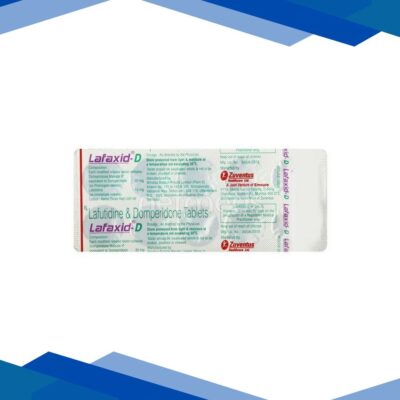
Lafutidine: Complete Guide for Acids and Ulcers Treatment
Lafutidine is a strong, second-generation H2-receptor antagonist used for the treatment of health conditions caused by an overproduction of stomach acid. Unlike conventional acid blockers, it offers a dual effect—it reduces acid production while also helping repair the stomach lining by enhancing protective mechanisms. These functions make it effective in treating peptic ulcers and various gastrointestinal disorders.
Key Points
Primary Action: Lasting relief of heartburn and healing of internal ulcers
Two-Mode Action: H2-receptor blockade and increased mucin (protective mucus) secretion
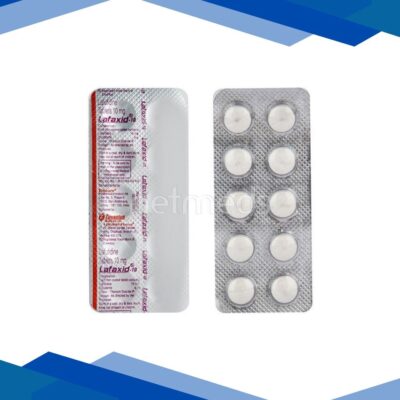
Common Brands: Lafaxid, Stogar, Lafumac, Laciloc
Dosage Form: Oral tablets (5 mg and 10 mg)
How Does Lafutidine Perform?
Lafutidine works as an H2 receptor blocker that suppresses acid release into the stomach, with additional protective benefits:
Acid Inhibition: Blocks H2 receptors in the stomach lining, reducing acid secretion
Mucosal Protection: Stimulates sensory nerves, increasing blood flow and enhancing mucus secretion for protection
Night Control: Helps reduce nocturnal acid breakthrough, improving sleep without acid-related discomfort
Therapeutic Applications for Lafutidine
Peptic Ulcer Disease: Helps accelerate healing of ulcers in the stomach and duodenum
GERD & Acid Reflux: Relieves symptoms like heartburn, chest pain, and sour taste
Gastritis: Reduces inflammation caused by infection, stress, or NSAIDs
Zollinger-Ellison Syndrome: Helps manage excessive acid production in rare conditions
Dosage & Instructional Use
Always take this medicine exactly as prescribed by your doctor:
Dosage: Usually taken once or twice daily
Timing: Often recommended after meals or at bedtime for optimal acid control
Duration: Complete the full course even if symptoms improve early
Mode of Administration: Swallow whole with water—do not crush or chew
Safety and Admissibility
Lafutidine is generally well tolerated, but some effects may occur:
Common Side Effects: Constipation, headache, dizziness, temporary appetite changes
Rare Side Effects: Changes in liver enzymes or mild hallucinations (especially in elderly patients)
Warnings
Kidney & Liver Health: Inform your doctor about any renal or hepatic conditions for dose adjustment
Alcohol: Avoid alcohol as it may irritate the stomach and worsen symptoms
Pregnancy & Nursing: Use only if clearly advised by a healthcare professional
FAQs
1. Is Lafutidine different from Famotidine or Ranitidine?
Yes. While all are H2-receptor antagonists, Lafutidine is a second-generation drug with longer action and added mucosal protection, which many older drugs lack.
2. Can I use Lafutidine on an empty stomach?
Yes, it can be taken on an empty stomach. However, taking it after meals or at bedtime may improve effectiveness.
3. How quickly does it start to work?
Relief from heartburn may begin within 1–2 hours. Ulcer healing typically requires 4–8 weeks of consistent use.
4. Can children take Lafutidine?
It is generally not recommended for individuals under 18 due to limited safety data.
5. Are there foods to avoid while on this medicine?
Yes. Limit spicy foods, citrus fruits (like lemon and orange), caffeine, and carbonated drinks, as they can increase acid production and reduce treatment effectiveness.