
Showing all 4 resultsSorted by popularity
Filter
COMBINIB 250mg Tablet 30’s
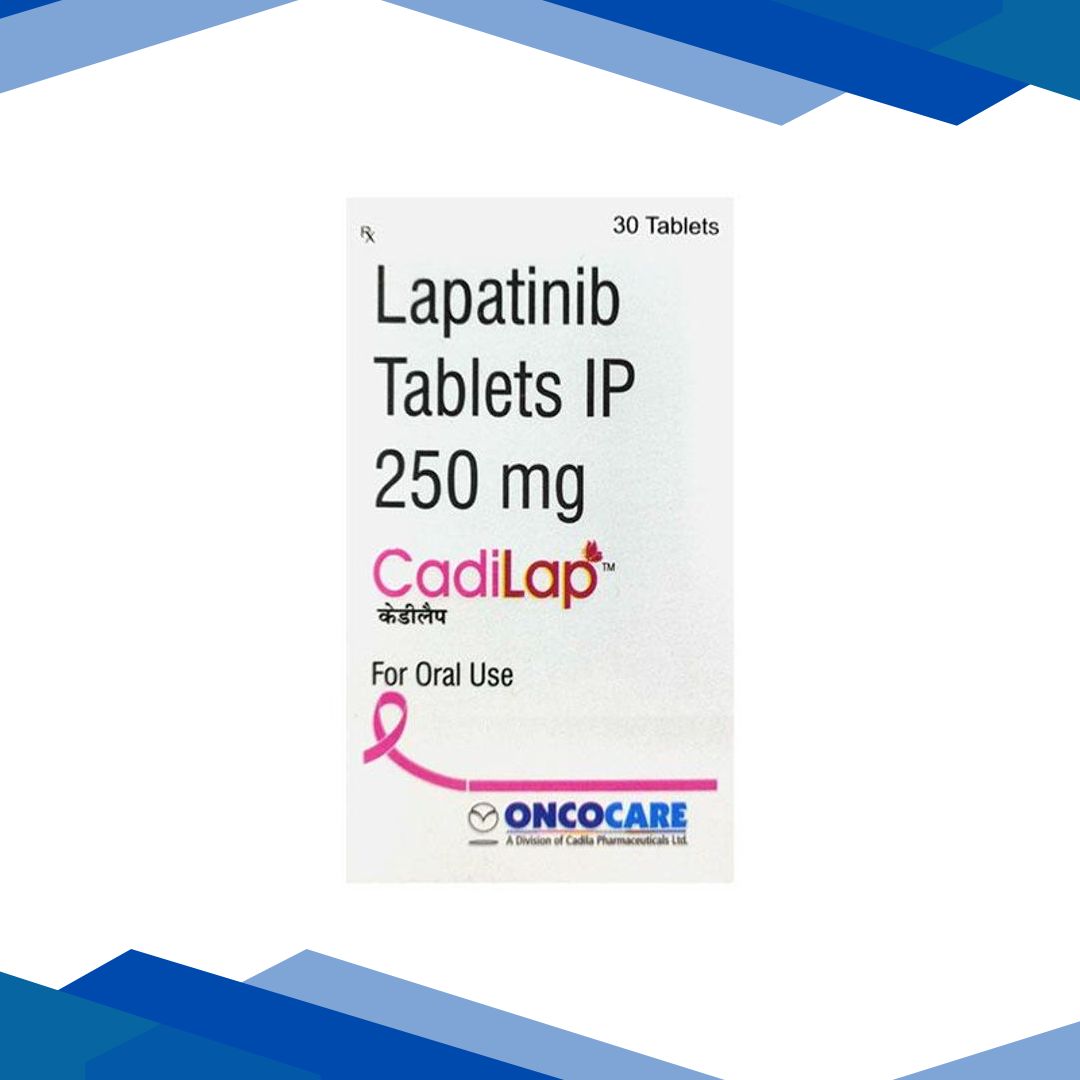
CADILAP 250mg Tablet 30’s

Tykerb 250mg Tablet 30’S
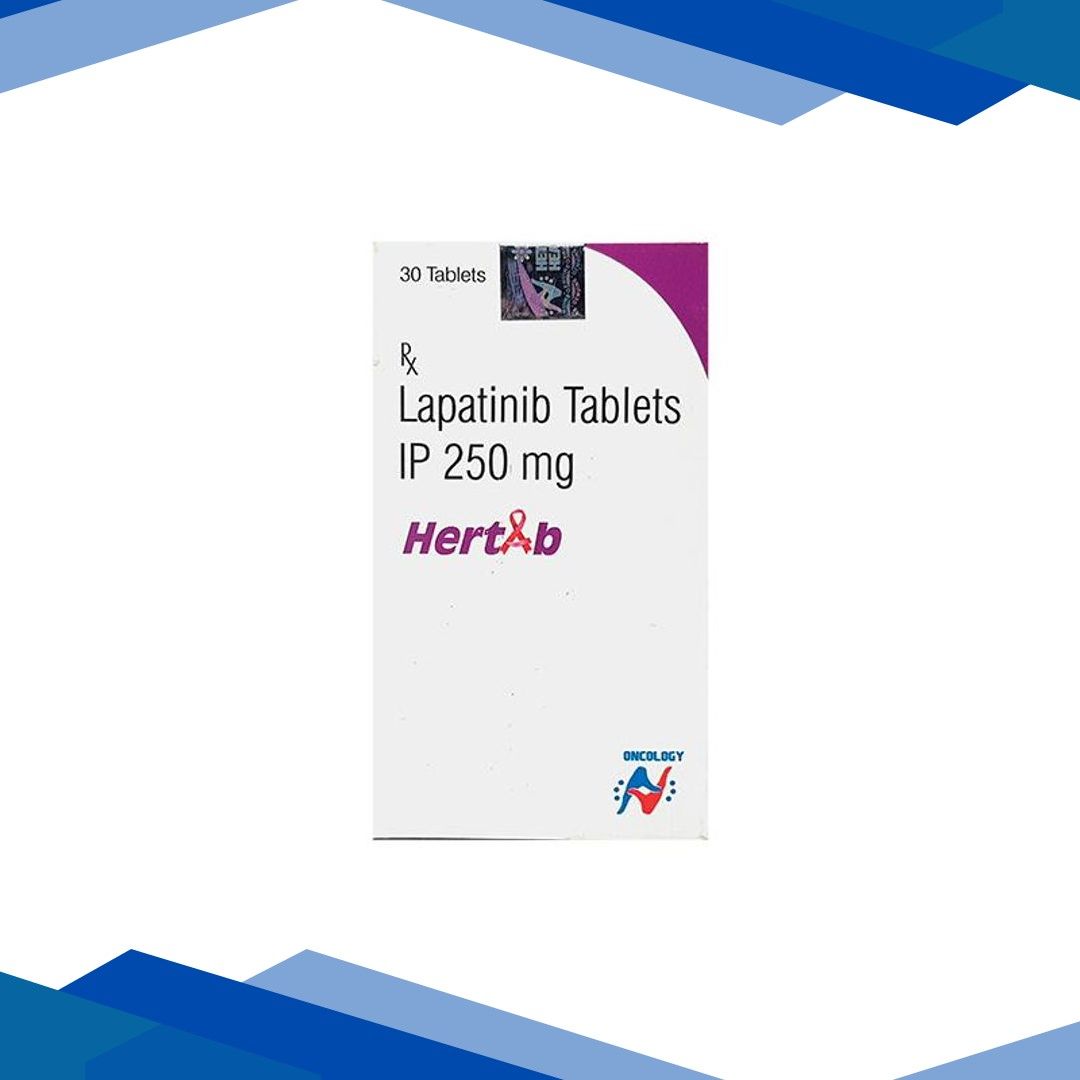
HERTAB Tablet 30’s
Lapatinib Ditosylate Tablets
Introduction
Lapatinib is an oral targeted medicine, used most often for particular breast cancer types. Compared with typical chemotherapy it is considered a dual tyrosine kinase inhibitor, and yes it is meant to do a more precise job. Basically, it recognizes and blocks certain signals, these signals that tell cancer cells to grow, divide, and keep going. As a result the disease can slow down, or sometimes stop progressing.
Doctors usually give it with other anti cancer medicines, like capecitabine, or letrozole. This paired approach helps when the breast cancer is advanced or metastatic, especially when it is HER2-positive, and the goal is to increase the overall effect.
Primary Medical Uses
HER2-Positive advanced breast cancer: Lapatinib tablets are taken with capecitabine for people whose cancer has continued advancing even after earlier treatments, such as anthracycline, taxane, or trastuzumab.
Hormone Receptor-Positive Metastatic Breast Cancer: this medication is used together with letrozole to help treat postmenopausal women whose tumors have too much of the HER2 receptor, and where hormonal therapy is considered the right choice.
How Lapatinib works
Lapatinib aims at the cancer problem right at the cellular level. It attaches to and blocks two separate cancer driving proteins, HER2 (Human Epidermal Growth Factor Receptor 2) and EGFR (Epidermal Growth Factor Receptor). In some breast cancers, these proteins become overly active, pushing ongoing “messages” that encourage cells to keep multiplying without control. Once lapatinib locks onto these receptors, it blocks the communication line, and that can lead to the tumor shrinking or at least staying stable.
Quick reference: usage & administration
How to take it: swallow the tablets whole with a full glass of water. Do not crush, chew, or break the pills.
Timing with food: take your daily dose on an empty stomach, either 1 hour before eating, or 1 hour after you finish a meal.
Consistency: take your medication at the exact same time, every day. If your daily prescription has multiple tablets, take everything together as one dose instead of spreading it out across the day.
Dietary Restriction: avoid eating grapefruit or drinking grapefruit juice during treatment, because it can dangerously raise the drug’s concentration in your body.
Common Side Effects
Even though Lapatinib is aimed very specifically, it can still trigger side effects while your body gets used to the medication.
Frequently Reported Effects:
Diarrhea (this can be mild or severe)
Skin rashes, dryness, or itching
Nausea, vomiting, or mild indigestion
Fatigue and ongoing weakness
Redness or soreness around the fingernails or toenails
Temporary hair thinning
Important Safety Note: If you have severe diarrhea, sudden breathlessness, an irregular or pounding heartbeat, or signs that your liver might be affected (for example, eyes or skin turning yellow, or dark urine), tell your oncologist right away.
Expert Advice & Precautions
Liver and Heart Monitoring: Your doctor will probably arrange regular blood tests to check liver activity, and may also request periodic ECGs to keep an eye on your heart while using this medicine. Sometimes it’s scheduled in advance, so please don’t skip it.
Pregnancy & Contraception: Lapatinib can harm a developing baby. Both men and women using this medicine have to use reliable contraception during treatment, and also keep using it for at least one week after the very last dose. Do not breast feed while you are taking this drug. If you become pregnant, contact the team immediately.
Managing Diarrhea: Because diarrhea is really frequent, make sure you keep up fluids and electrolytes. Discuss with your care team which anti-diarrheal options are approved, and consider having them ready, in case symptoms start.
Frequently Asked Questions (FAQs)
Q. Is Lapatinib considered traditional chemotherapy?
No, Lapatinib is not a classic chemotherapy drug. It is targeted therapy, in particular a tyrosine kinase inhibitor. Regular chemo works by broadly harming cells that are dividing quickly across the body. In contrast, targeted therapies like Lapatinib are meant to zero in on and shut down the abnormal proteins that drive cancer cell growth, and in many cases they spare more normal cells.
Q. Can I take Lapatinib with food if it upsets my stomach?
No, you should take Lapatinib on an empty stomach whenever possible. If you take it with food, especially meals that are high-fat, it can significantly change how much medication gets absorbed, and this may raise the intensity of side effects. Keep to the usual timing, take it 1 hour before or 1 hour after meals. If your stomach feels unsettled, talk with your doctor about what you can do, do not adjust the schedule by yourself.
Q. What should I do if I accidentally miss a daily dose?
If you miss a dose, you should just skip it entirely if it is almost time for your next scheduled dose. Do not take two doses at the same time to make up for a missed one. Just go back to your usual schedule the next day.
Q. Why do I need to avoid grapefruit juice while on this medication?
Grapefruit has natural compounds that block the enzymes that are needed for breaking down Lapatinib in your digestive system. If you drink it, the medicine can build up to toxic levels in your bloodstream, which can make the chance of serious side effects much higher.
Q. How long do I need to stay on Lapatinib treatment?
How long you continue depends on how your body responds to the medicine and whether you have side effects you can tolerate. Your oncologist will keep checking your progress using scans and regular appointments, so they can decide how long you should carry on with the therapy.