
Showing all 6 resultsSorted by popularity
Filter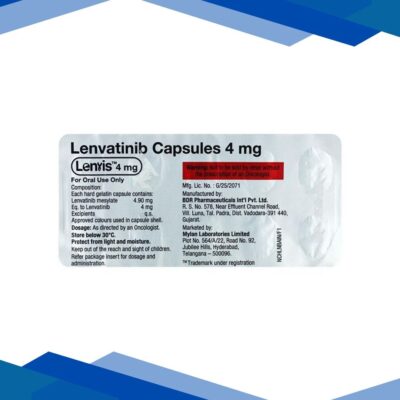
LENRIS 4mg Capsule 10’s
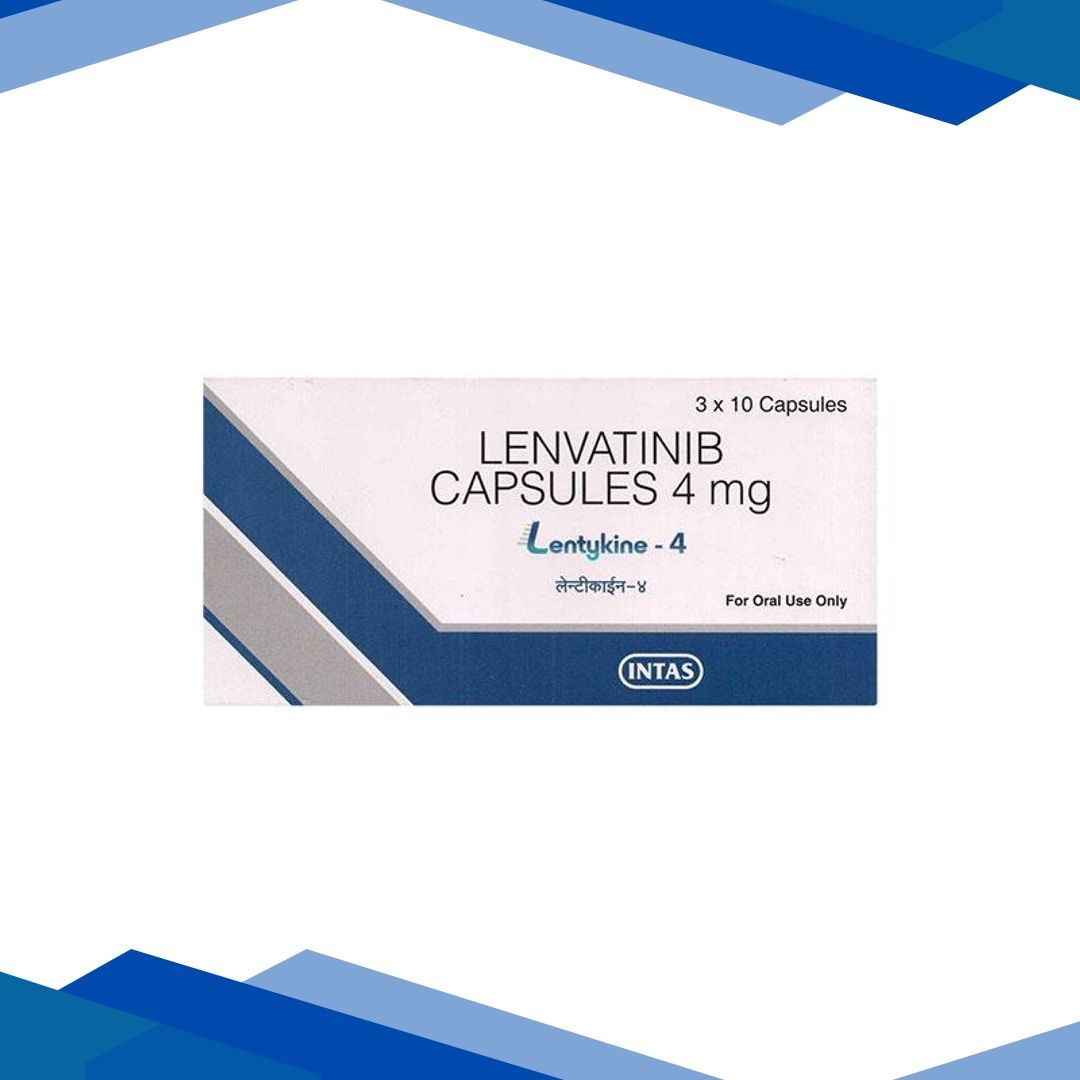
LENTYKINE 4 Capsule 10’s
LENVATOL 4 Capsule 10’s
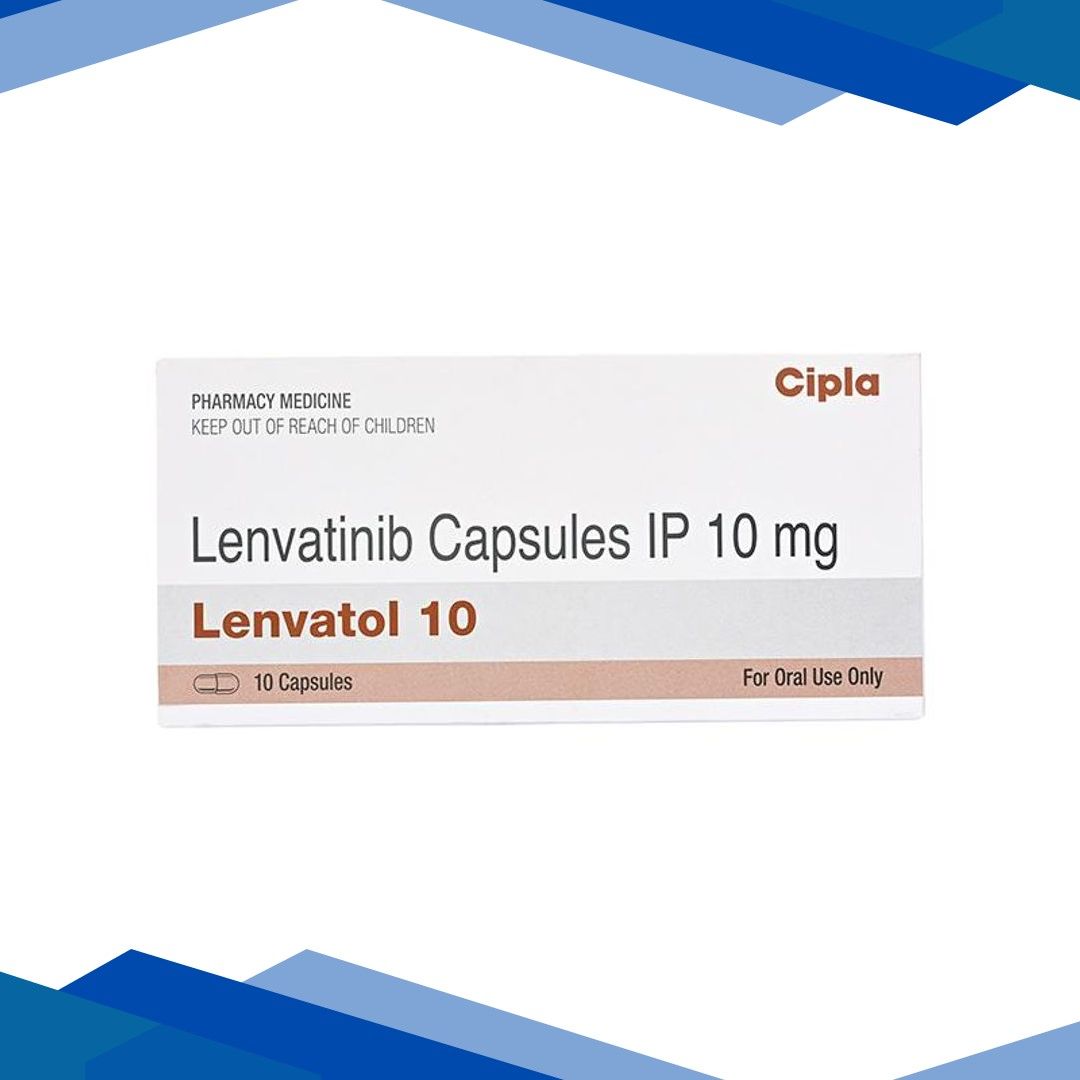
LENVATOL 10 Capsule 10’s
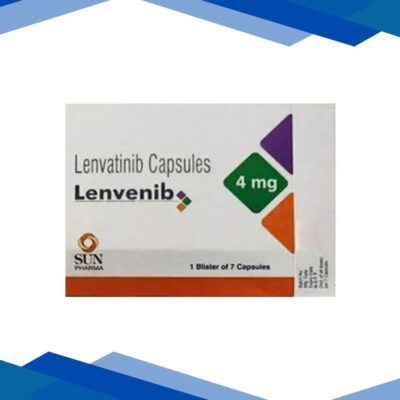
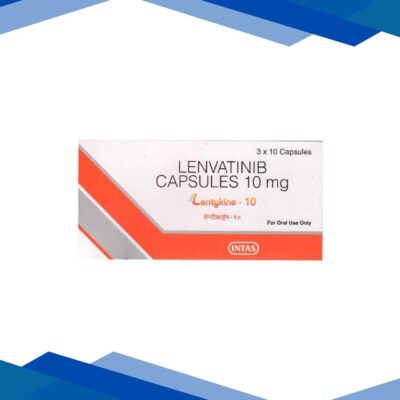
Lenvatinib: A Weapon for Advanced Multiple Target Therapy
A state-of-the-art oral drug, Lenvatinib is a multikinase inhibitor that applies the principles of targeted therapy to treat several advanced cancers. It works by interrupting signals that tumors use for growth and for forming new blood vessels (angiogenesis).
Thyroid, kidney, and liver cancers are among the most common conditions treated with Lenvatinib, especially in cases where conventional therapies have not been effective.
At a Glance
Primary Indications: Differentiated Thyroid Cancer (DTC), Renal Cell Carcinoma (RCC), Hepatocellular Carcinoma (HCC)
Drug Class: Tyrosine Kinase Inhibitor (TKI)
Common Brand Names: Lenvima, Lenvenib, Lenvat
Available Forms: 4 mg and 10 mg hard gelatin capsules
How Does Lenvatinib Work?
Lenvatinib works primarily by inhibiting vascular endothelial growth factor (VEGF) signaling, which plays a key role in tumor blood supply:
Anti-Angiogenesis: Prevents tumors from forming new blood vessels
Signal Blockade: Inhibits multiple kinase pathways involved in tumor growth
Tumor Control: Slows progression and may reduce tumor size
Dosage & Administration
Consistency: Take the medicine exactly as prescribed by your doctor
Missed Dose: If more than 12 hours have passed, skip the missed dose—do not double dose
Routine Monitoring: Regular follow-ups are necessary to assess treatment response
Safety and Side Effect Management
Since Lenvatinib affects blood vessel growth, it can impact multiple organ systems, requiring close supervision.
Common Side Effects
Hypertension: Frequent monitoring of blood pressure is essential
Fatigue & Appetite Loss: Common in the initial weeks
Hand-Foot Syndrome: Redness, swelling, or pain in palms and soles
Serious Contraindications
Cardiac Effects: May cause irregular heartbeat—seek immediate care for chest pain or breathlessness
Renal & Hepatic Monitoring: Regular blood and urine tests are required
Proteinuria: Increased protein in urine—needs medical evaluation
Frequently Asked Questions (FAQ)
1. Does Lenvatinib work like chemotherapy?
No. Lenvatinib is a targeted therapy, focusing on specific molecular pathways rather than all rapidly dividing cells.
2. Can I undergo surgery while on Lenvatinib?
Wound healing may be delayed. Doctors usually stop the drug at least one week before surgery.
3. Are there any food or drug interactions?
Always inform your doctor about all medications and supplements. While no strict grapefruit restriction exists like some TKIs, caution is still advised.
4. What is the duration of treatment?
Treatment continues based on tumor response and tolerability. Regular imaging (CT/MRI) helps guide decisions.
5. Does Lenvatinib cause hair loss?
Hair thinning may occur, but complete hair loss is uncommon compared to traditional chemotherapy.