
Showing all 3 resultsSorted by popularity
Filter

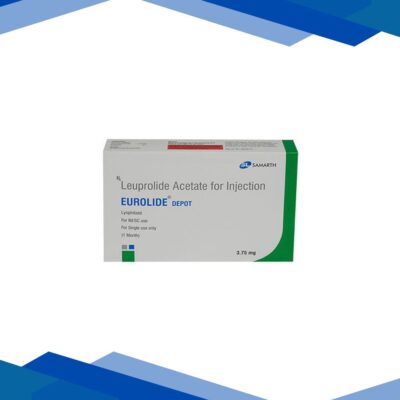
Leuprolide acetate: Uses, Mechanism of Action, Side Effects, and Clinical Guidelines
Leuprolide acetate is a synthetic nonapeptide analog closely mimicking the native hormone gonadotropin-releasing hormone (GnRH). Being a rather potent hormone modulator, it is used widely in oncology, gynecology, and pediatric endocrinology specialties. It plays a major role in managing hormone-sensitive conditions due to the controlled manipulation of several sex hormones made possible by Leuprolide, making it an important medication in the treatment of hormone-sensitive conditions like prostate cancer, endometriosis, and uterine fibroids.
Quick Facts
Primary Indications: Advanced stage prostate cancer; endometriosis; uterine fibroids; central precocious puberty.
Anouthername: gonadotropin-releasing hormone (GnRH) agonists
Common Brands: Lupride Depot; Eligard Depot; Luprotas; Leuprosun
Available Forms: Leuprolide acetate 3.75 mg/mL subcutaneous injection (daily formulation), Depot suspension (1.88 mg/7.5 mg/22.5 mg/30 mg) for Intramuscular/Subcutaneous injection.
How Does Leuprolide Acetate Function?
To realize its therapeutic objectives, Leuprolide undergoes a two-step action:
1. The Initial “Flare Effect”
Upon administration, Leuprolide triggers GnRH receptors in the pituitary gland to have an initial and temporary flare-up resulting in a surge of luteinizing hormone (LH) and follicle-stimulating hormone (FSH), and a temporary rise in testosterone and estrogen in males and females, respectively.
2. Receptor Downregulation
Receptor desensitization in the case of the pituitary glands is achieved after the agonistic ride of Leuprolide has continued for a while, consequently putting an end to the activation of the hypothalamus–pituitary–gonad axis. Women and men will see a profound reduction in sex steroids, which helps suppress cancerous cell growth and hormone-driven conditions. From the opposite side, conditions like endometrial hyperplasia may be significantly reduced.
Administration Protocols and Care
Professional Administration: Leuprolide is administered by injection. Depot formulations are meant for injection by a healthcare provider in or under the skin.
Adherence: Make sure you do everything your healthcare provider asks you to do. This may include strict dose timing (every 28 days or 3 months) so medication levels remain stable.
Cold Storage: Many of these drugs need to be properly stored. Keep the medicine refrigerated between 2°C and 8°C and do not freeze.
Safety Information and Side effects
Since Leuprolide induces deep and multifaceted hormonal changes, patients should be prepared to expect the following:
Common Side Effects
Symptoms of Hormonal Shift: Hot flashes, increased sweating, tiredness, loss of libido, and temporary erectile dysfunction.
Weak Muscle and Fragile Bone: Long-term use can affect bone mineral density. Therefore, supplementation with calcium and Vitamin D3 is often recommended.
Pain at Injection Site: Mild pain, swelling, or redness at the site of injection.
Important Warnings and Contraindications
The flaring of tumor symptoms: During the first 1–2 weeks, the surge in testosterone may cause temporary worsening of symptoms like bone pain or urinary blockage in prostate cancer patients. This is often managed with anti-androgen therapy before starting treatment.
Pregnancy Warning: Pregnant women should not receive Leuprolide, as it poses a serious risk of fetal harm. Women of childbearing age should confirm a negative pregnancy test and use non-hormonal contraception during treatment.
Frequently Asked Questions (FAQs)
1. Is Leuprolide a form of traditional chemotherapy?
No. Leuprolide is a hormonal (targeted) therapy, not traditional chemotherapy. It does not kill cells directly but works by blocking hormone signals that fuel certain diseases.
2. Do women stop having periods during this treatment?
Yes. Suppression of estrogen usually causes temporary cessation of menstruation within 1–2 months. Normal cycles often return 7–12 weeks after stopping treatment.
3. What if I miss an appointment for depot injection?
Contact your doctor immediately to reschedule. Missing doses can lead to loss of hormone suppression and recurrence of symptoms.
4. Can I drive or work after getting the injection?
Some individuals may experience dizziness, fatigue, or blurred vision. Avoid driving or operating machinery until you know how the drug affects you.
5. Does Leuprolide cause permanent infertility?
In many cases, fertility returns after stopping therapy. However, long-term use and age may impact fertility. Discuss fertility preservation options with your doctor before starting treatment.