
Showing all 2 resultsSorted by popularity
Filter
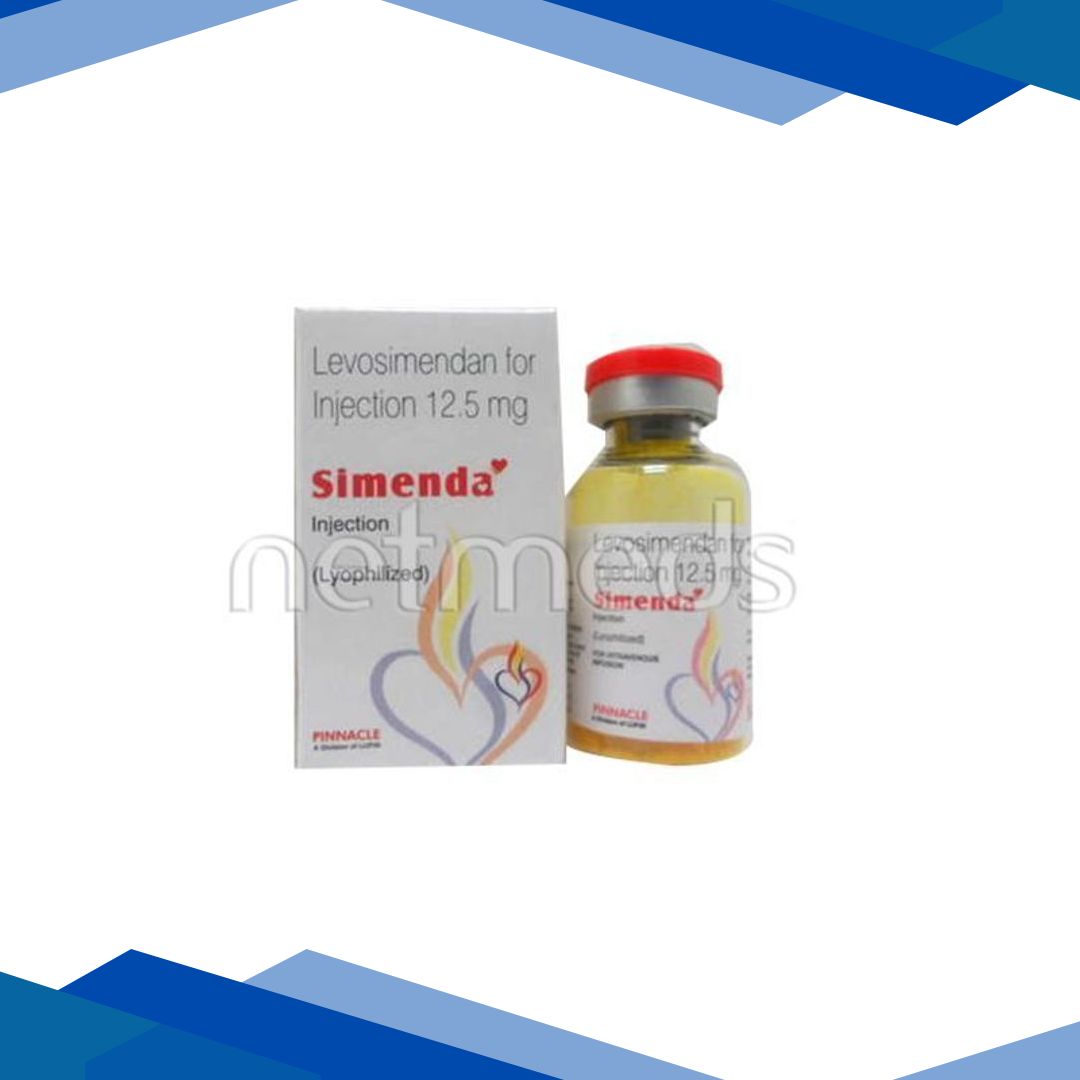
Levosimendan 2.5 mg/mL Injection
Introduction
Levosimendan is this powerful, very specialized intravenous medication, and its job is basically to act as an inodilator, a drug that kinda does two things at the same time, it boosts the heart’s ability to pump and it also relaxes the blood vessels. Compared with older cardiac stimulants, Levosimendan gives important cardiovascular support without putting extra strain on the heart muscle. It’s meant for hospital use only, for people who have severe acute heart failure episodes, especially when usual first-line therapies are no longer working.
Primary Medical Uses
Acute Decompensated Heart Failure (ADHF): given to improve heart function fast in patients whose long-term heart failure suddenly worsened.
Post-Cardiac Surgery Support: used in intensive care to help with low cardiac output syndrome after open-heart or complicated cardiac procedures.
Advanced Inotropic Support: considered when other contractility-boosting drugs don’t lead to stability, or they are poorly tolerated, like when someone has already been on beta-blocker therapy.
How Levosimendan Works
Levosimendan uses a dual mechanism that helps blood circulation come back to a better balance, not just one pathway.
Calcium sensitization (myocardial strength)
It attaches to cardiac troponin C in the heart muscle. This raises the sensitivity of contractile proteins to the calcium that is already present. In other words, the heart muscle can generate stronger contractions with the existing calcium. This approach avoids increasing the overall calcium load inside the cells. As a result, the heart can pump more blood, while oxygen demands do not rise as much, which can reduce the likelihood of dangerous rhythm disturbances.
Potassium channel opening (vascular relaxation)
It prompts the opening of ATP-sensitive potassium channels in the smooth muscles along vessel walls. That causes arteries and veins to widen and relax, lowering resistance for blood ejection, which reduces afterload. It also decreases filling pressures within the cardiac chambers, improving preload conditions.
Administration & Clinical Protocol
Hospital Use Only: Levosimendan is prescription-only and administered by continuous intravenous infusion, typically through a central venous catheter. It is not meant for home care or self-injection.
Duration of Action: the infusion often runs continuously for 24 hours. Even after the IV drip is stopped, the medicine keeps working because the body forms active breakdown products, especially OR-1896, which support heart and vascular protection for about 7 to 10 days.
Pre-Treatment Controls: before starting, clinicians must check baseline blood pressure and correct issues like dehydration (hypovolemia) or low blood mineral levels, since those conditions can worsen risk during treatment.
Common & Critical Side Effects
Levosimendan affects both vessel tone and cardiac performance, so patients usually require ongoing observation in an ICU or specialized cardiac unit.
Frequently Documented Effects:
- Headaches (often linked to widened cranial blood vessels)
- Significant drop in blood pressure (hypotension)
- Faster heart rate (tachycardia)
- Palpitations or noticeable irregular rhythm patterns (arrhythmias)
- Nausea, vomiting, or short-lived stomach upset
- Low potassium in the blood (hypokalemia)
- Temporary insomnia or internal restlessness
Critical Safety Notice:
Levosimendan is contraindicated in people with severe kidney injury, severe liver impairment, untreated low blood pressure, or heart valve obstructions that block the natural outflow of blood.
Expert Advice & Safety Precautions
Continuous vitals tracking: ECG signals, blood pressure, and heart rate are monitored continuously during the 24-hour infusion, then followed for at least 3 days afterward to catch delayed hypotension or late rhythm changes.
Electrolyte management: the drug can shift potassium levels out of the bloodstream, so frequent lab testing is performed. Blood draws may also track hemoglobin and related values, and potassium may be replaced when needed.
Beta-Blocker compatibility: a key benefit compared with certain older inotropes (example dobutamine) is that Levosimendan’s clinical effectiveness is not impaired by concurrent beta-blocker therapy, which is helpful for chronic heart failure patients already taking daily beta-blockers.
Pregnancy & Nursing: due to limited safety evidence, Levosimendan is generally not recommended in pregnancy or during breastfeeding unless it is absolutely necessary for maternal survival.
Frequently Asked Questions (FAQs)
Q. How does Levosimendan differ from traditional inotropes like dobutamine?
Traditional inotropes increase cyclic AMP (cAMP) and can drive extra calcium into cardiac cells. That makes the heart contract more forcefully, but it also increases oxygen requirements and can raise the chance of serious arrhythmias. Levosimendan instead binds to cardiac troponin C, aiming to get more efficiency from calcium that is already available, so pumping strength improves without a comparable jump in oxygen demand or added stress to the heart tissue.
Q. How quickly does Levosimendan start working?
In a clinical setting given as an IV infusion, the effect begins rapidly. After the drip starts, changes in heart performance, reduced vascular resistance, and stabilization of circulation are typically seen within about 30 minutes.
Q. Why does monitoring continue for days after the infusion ends?
Levosimendan is broken down into active metabolites by the liver and intestines. These metabolites have a long functional duration, with a half-life around 80 hours. They continue to relax vessels and support contraction for about a week after the IV line is disconnected. Because of this, delayed blood pressure decreases or rhythm changes can happen, so ongoing monitoring matters.
Q. Can someone with chronic kidney or liver disease receive Levosimendan?
It depends on severity. Clinicians may use it with extreme caution and possibly adjust the dose in mild to moderate kidney or liver impairment. But in severe hepatic failure or severe renal failure it is unsafe, since active metabolites may build up to dangerous levels.
Q. Is Levosimendan considered a cure for heart failure?
No. Levosimendan is an acute, short-term rescue therapy meant to stabilize a patient during a critical decompensated heart failure crisis. It helps restore circulatory balance, improves tissue perfusion in vital organs, and can ease severe shortness of breath, but it must be combined with longer-term treatment plans, including lifestyle measures and maintenance medications.