

Showing all 11 resultsSorted by popularity
Filter
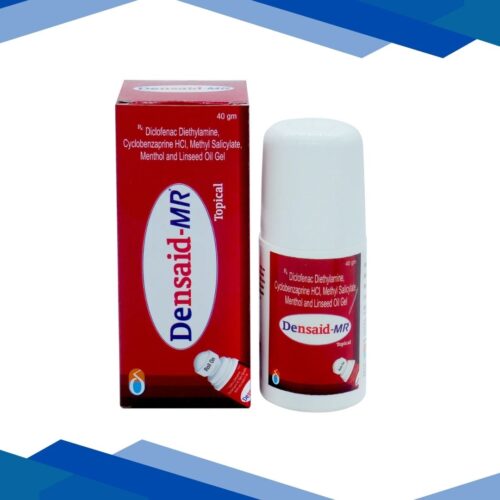
Densaid MR Topical Rollon 40gm
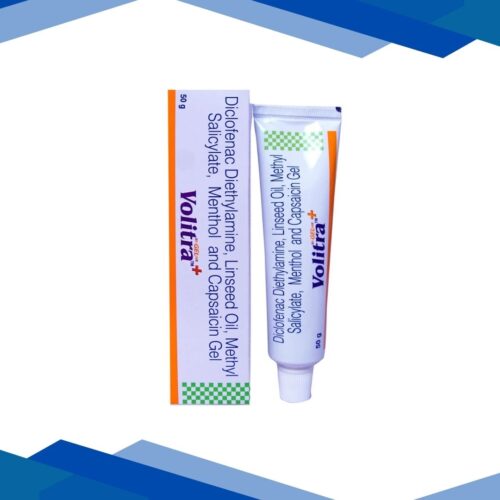
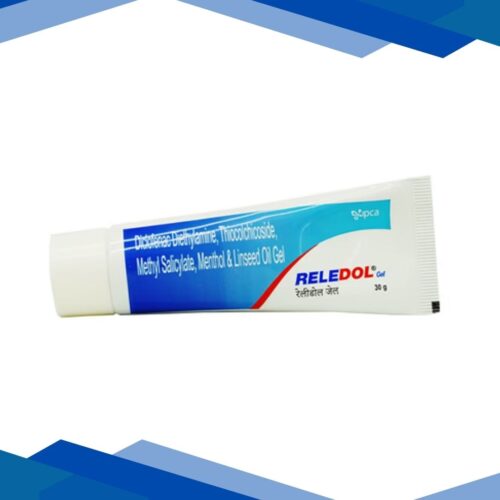


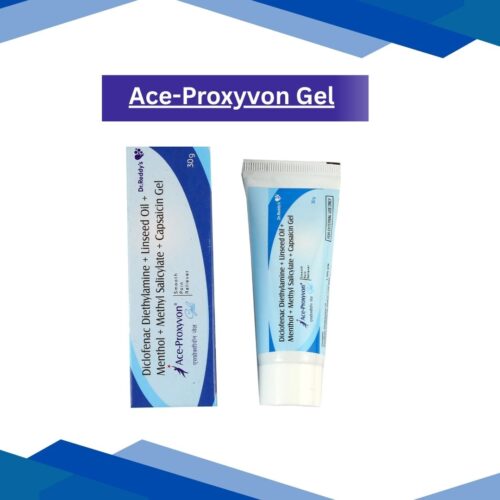
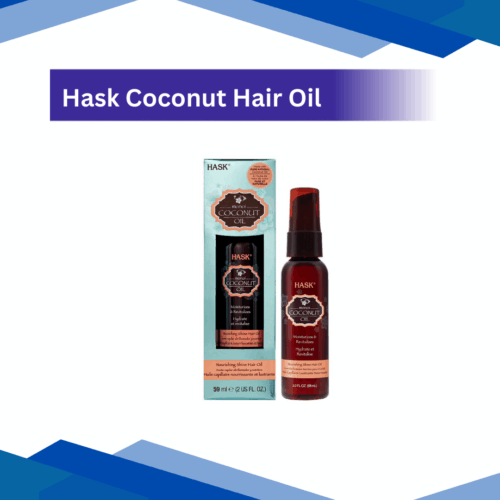
Hask Coconut Hair Oil 59 ml
Linseed Oil (Virgin & Cold-Pressed)
Virgin Linseed Oil, obtained from flax plant seeds (Linum usitatissimum), is a rich source of essential fatty acids. It is highly reputed in the medical fraternity on account of the fact that it is extremely high in Omega-3 amino acids, with major content in Alpha-Linolenic Acid (ALA); this is one of the omega-3 fatty acids the body cannot make on its own. Whether as a common dietary supplement in many cases to its beneficial effect in supporting heart function, or as a fungible, multipurpose remedy for certain major systemic illnesses, the benefits of Linseed Oil are deeply embraced in current, modern health and wellness practice.
Key Benefits & Uses
Joint & Muscle Relief: Fittingly incorporated into topical gels to heighten the penetration of anti-inflammatory medicines that work toward alleviating stiffness scenario: osteoarthritis.
Cardiovascular Support: Contributes to the maintenance of healthy cholesterol and the overall support thereof.
Natural Laxative: A differential oil with which an oral dose in its very own specific mild manner that operates as a lube effect in the belly—making a good choice for giving relief to occasional constipation.
Skin Health: Contains Vitamin E and antioxidants that facilitate some skin defense and reduce dryness or irritation.
Doors of Inflammation: Intervention with systemic inflammation/type 1 inflammation is protective and good for metabolic health.
Quick Facts
FeatureDetails
Active Ingredient: Alpha-Linolenic Acid (Omega-3)
Extraction Method: Cold-Pressed (No Heat)
Category: Nutraceutical / Topical Adjunct
Dietary Preference: Vegan, Non-GMO
Usage Instructions
For Oral Health: 5ml–10ml (1–2 tsp) a day. Could be mixed with salads, yogurt, or cold smoothies. This oil is perfect for cold food consumption. Do not use for cooking at high temperature.
For Topical Relief: Apply a few drops at the local joint/muscle area and lightly massage. If using a gel containing Linseed Oil specifically, adhere to the instructions given on the pack.
Safety Precautions
Sensitivity: It is best to perform a patch test first and refrain from extensive application in case of any skin reddening and itching.
Medical Interactions: Patients on anti-coagulant (blood thinning) medications must inform their doctor of their intention to take Linseed Oil supplements.
Pregnant & Nursing: It is always best to talk to your physician beforehand about introducing any new supplements into your system during pregnancy.
Storage: The oil has a high tendency to spoil due to oxidation; thus, keep it in a cool, dark place and make sure it is sealed tight to prevent rancidity.
Frequently Asked Questions (FAQs)
Q: Can I use the Linseed Oil found in hardware stores for health purposes?
Definitely not. Industrial-grade linseed oil gets toxic with the added preservatives and solvents. Always use “Cold-Pressed Virgin Linseed Oil” or “Flaxseed Oil” expounded with reference to human consumption or veterinary use.
Q: Why include Linseed Oil in so many Diclofenac pain relievers?
Basically to use as a conduit: it makes sure the active ingredients of the pain-killing agent are better absorbed through the layers of the skin and actually reach the inflamed area more effectively.
Q: Is it very taste-able?
High-quality virgin linseed oil will taste a bit nutty and mild. If it has an extremely bitter taste or smells bad, it has gone rancid and should not be consumed.
Q: Would it be preferred over fish oil for Omega-3?
Flaxseed oil is one of the best plant-based Omega-3 sources, and offers a good alternative to fish oil. A pool of fish oil brings EPA and DHA; in comparison, linseed oil only offers ALA, which your body can partially convert into both EPA and DHA.
Q: How long will it normally keep?
Once opened, a bottle of it stays freshest for 6–8 weeks. If stored in the refrigerator, it might extend the life of its strength.