
Showing the single result
Filter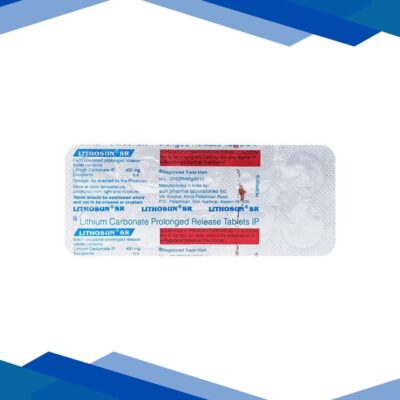
Lithium Carbonate Tablets (300mg/400mg)
The drug Lithium Carbonate is a well-established and truly effective mood stabilizer initially provided to manage and prevent manic and hypomanic episodes in people with a diagnosis of bipolar disorder. It acts directly on the central nervous system and tries to stabilize the abnormal discharge of electrical impulses associated with nerves firing across the brain. This facilitation helps to reduce overactivity and synchronize such hyperemotional states from extreme depression to a more normal mood amid severe mood swings. By maintaining an adequate level of Lithium in the body, manic episodes tend to occur less frequently and are less intense. This supports a longer period of emotional balance and better mental health management.
USE-BENEFIT MANAGEMENT
- Management of Bipolar Mania: It has authority over manic episodes of acute origin. The medication essentially pushes libido away.
- Long-Term Prophylaxis: It reduces the frequency and severity of mood switches by minimizing the likelihood of exaggerated depression or mania.
- Stabilization of Neurotransmitter Systems: Normalization of the neurotransmitter system works to stabilize erratic mood signals.
Directions of Use
Always take this medication under the medical instruction provided by a psychiatrist or physician.
Create a Ritual of Consistency: One must never deviate from a regimented schedule of taking the dose at the exact same time every day to maintain appropriate levels in the bloodstream.
4. Take the tablet with a full glass of water. Do not chew or crush, especially in the case of extended-release formulations.
Immediately after ingestion, taking it with food may help avoid an upset stomach.
Oft-Seen Side Effects and Their Management
For a long period, while a person is on Lithium, the body may take time to adapt to certain side effects. Keep close observation for:
5. Mild tremors or shakiness in hands
6. Increased thirst and frequent urination (polyuria)
7. Mild nausea, dry mouth, or a temporary metallic taste
8. Slight weight gain or mild fatigue
⚠️ Warning: Stay hydrated at all times as your body works to regulate lithium levels. Drinking adequate water and maintaining a normal level of dietary salt is essential to prevent lithium toxicity. Consult your doctor immediately if you experience severe diarrhea, vomiting, slurred speech, or signs of dehydration.
Precautions and Safety Advice
Alcohol: Avoid or limit alcohol intake unless advised by a healthcare provider, as it can cause dehydration and affect lithium levels in the blood.
Pregnancy: Category C — Use only if clearly needed, as there may be potential risk to the fetus.
Breastfeeding: Not advised, as Lithium can pass into breast milk and may harm the nursing infant.
Driving & Machinery: This medication may cause drowsiness, blurred vision, or reduced alertness. Avoid driving until you understand how it affects you.
Organ Function Monitoring: Regular kidney function tests (KFTs) and thyroid function tests are necessary during long-term lithium therapy.
Frequently Asked Questions (FAQs)
Q. How long does Lithium Carbonate take to make any difference?
This varies from patient to patient. Some individuals may notice changes within 1 to 3 weeks, but full therapeutic benefits often require several weeks of consistent use. Do not stop taking it prematurely if immediate effects are not observed.
Q. Why do I need regular blood tests while taking Lithium?
Lithium has a narrow therapeutic window, meaning the difference between a safe and harmful dose is small. Regular blood tests help ensure levels remain within a safe range and prevent complications affecting the kidneys or thyroid.
Q. What should I do if I miss a dose by accident?
Take the missed dose as soon as you remember. If it is close to your next scheduled dose, skip the missed one. Do not double the dose to compensate.
Q. Could dietary sodium changes affect my lithium treatment?
Yes. A low-sodium diet can increase lithium levels in the blood, potentially leading to toxicity. Maintain a consistent salt intake and consult your doctor before making dietary changes.
Q. What signs should I watch for in case of an overdose?
Warning signs include severe tremors, persistent vomiting or diarrhea, slurred speech, unsteady walking, and confusion. If any of these occur, stop the medication and seek immediate medical attention.