



Showing all 2 resultsSorted by popularity
Filter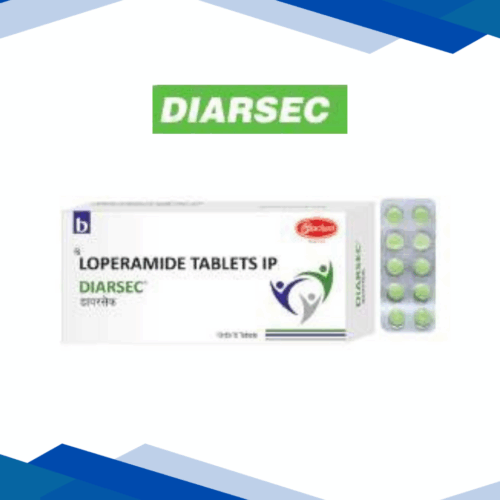
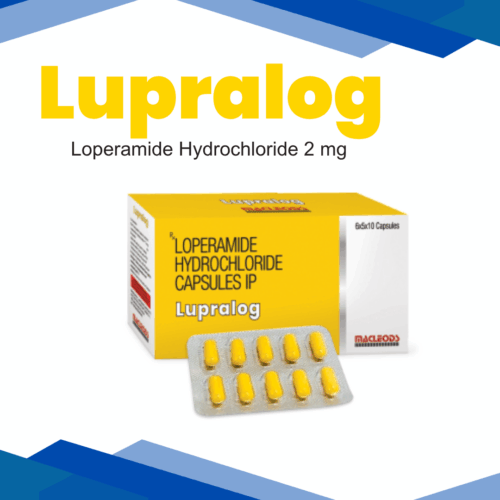
Loperamide 2mg Tablet/Capsule
Loperamide is a potent anti-diarrheal agent, which aids in the control and relief of symptoms associated with diarrhea (acute, non-specific). It works by slowing intestinal movement, allowing the intestines more time to absorb water and nutrients, resulting in firmer stools and reduced bowel movement frequency. It is also used in managing chronic diarrhea due to IBD in patients.
Indications
Acute diarrhea: Rapidly reduces the frequency of loose stools caused by gastroenteritis or food-related issues.
Traveler Diarrhea: Provides quick relief from gut disturbances associated with travel.
Chronic Conditions: Helps manage diarrhea in conditions like Crohn’s disease and Ulcerative Colitis.
Ileostomy Support: Used to decrease the volume of drainage in patients with an ileostomy.
Administering and Dosing
Initial Dose: The typical starting dose in adults is 4 mg (2 tablets), followed by 2 mg (1 tablet) after each loose stool.
Maximum recommended dose per day: Over-the-counter use should not exceed 8 mg (4 tablets) unless prescribed otherwise by a physician.
Intake with Fluids: Always take Loperamide with a full glass of water. Since it treats symptoms, oral rehydration salts (ORS) are essential to replace lost fluids.
What to Avoid and When
Use until stools become appropriately firm. If no bowel movement occurs for 24 hours, discontinue use.
Safety Tips and Warnings
Critical Warning: Do not use Loperamide if you have high fever, blood in stools, or diarrhea caused by bacterial infections (e.g., C. diff) or an ulcerative colitis flare-up. Slowing gut movement in these cases can be harmful.
Heart Safety: Exceeding the recommended dose may lead to serious heart rhythm disturbances. Never double the dose.
Children: Not recommended for children below 2 years. Always consult a pediatrician for dosing in older children.
Pregnancy and Breastfeeding: Consult your doctor before use.
Common Side Effects
Most patients tolerate Loperamide well, but some may experience:
- Constipation (especially with overuse)
- Dizziness or drowsiness
- Mild nausea or abdominal cramps
- Dry mouth
If severe bloating or a skin rash occurs, stop the medication and consult a doctor.
FAQs
Q: When do Loperamide tablets start working?
A: Most users notice a reduction in diarrhea frequency within 1–3 hours of the first dose.
Q: Can I use Loperamide for food poisoning?
A: Use with caution. If symptoms include fever or bloody diarrhea, consult a doctor, as slowing the gut may worsen certain infections.
Q: Does Loperamide cause drowsiness?
A: Not commonly, but some individuals may feel drowsy or dizzy. Avoid driving until you know how it affects you.
Q: Can I take Loperamide every day?
A: No. It is meant for short-term use only (usually up to 48 hours). If diarrhea persists beyond this, seek medical advice.
Q: Can I take Loperamide while drinking alcohol?
A: It is best to avoid alcohol, as it may increase drowsiness and worsen dehydration during diarrhea.
