
Showing all 16 resultsSorted by popularity
Filter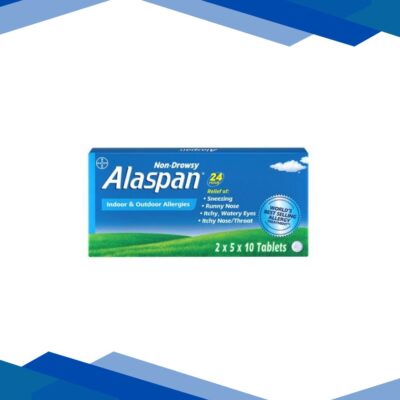
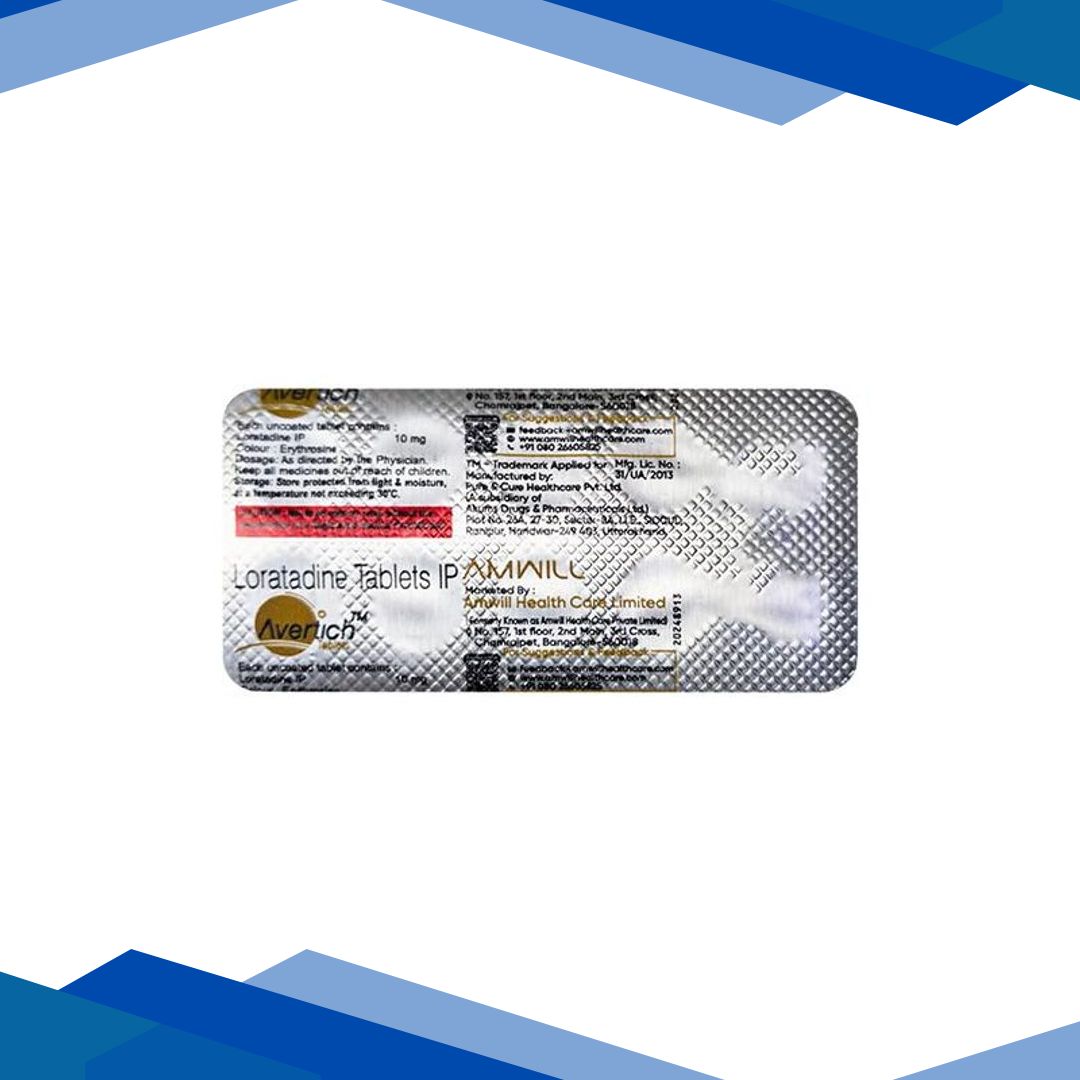
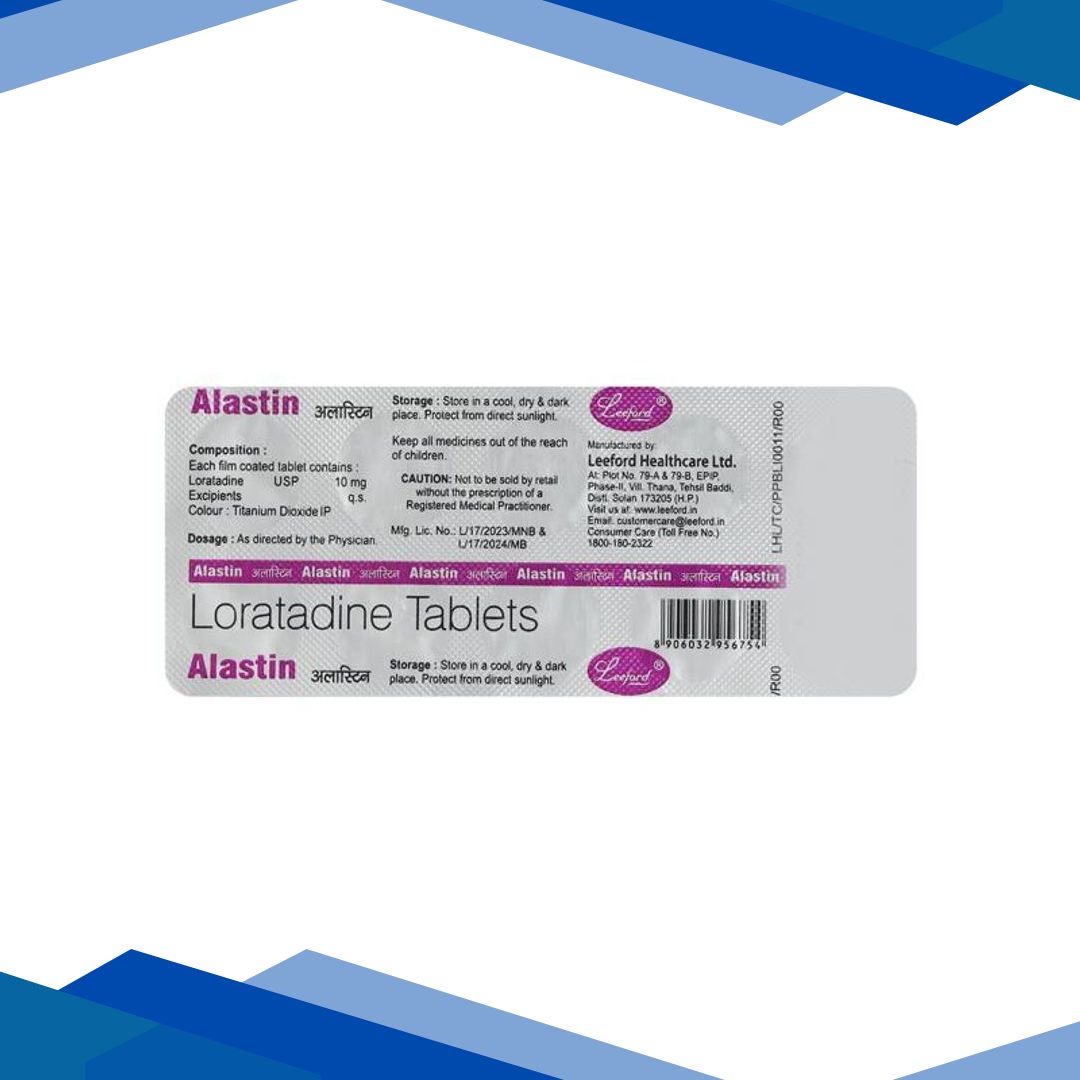
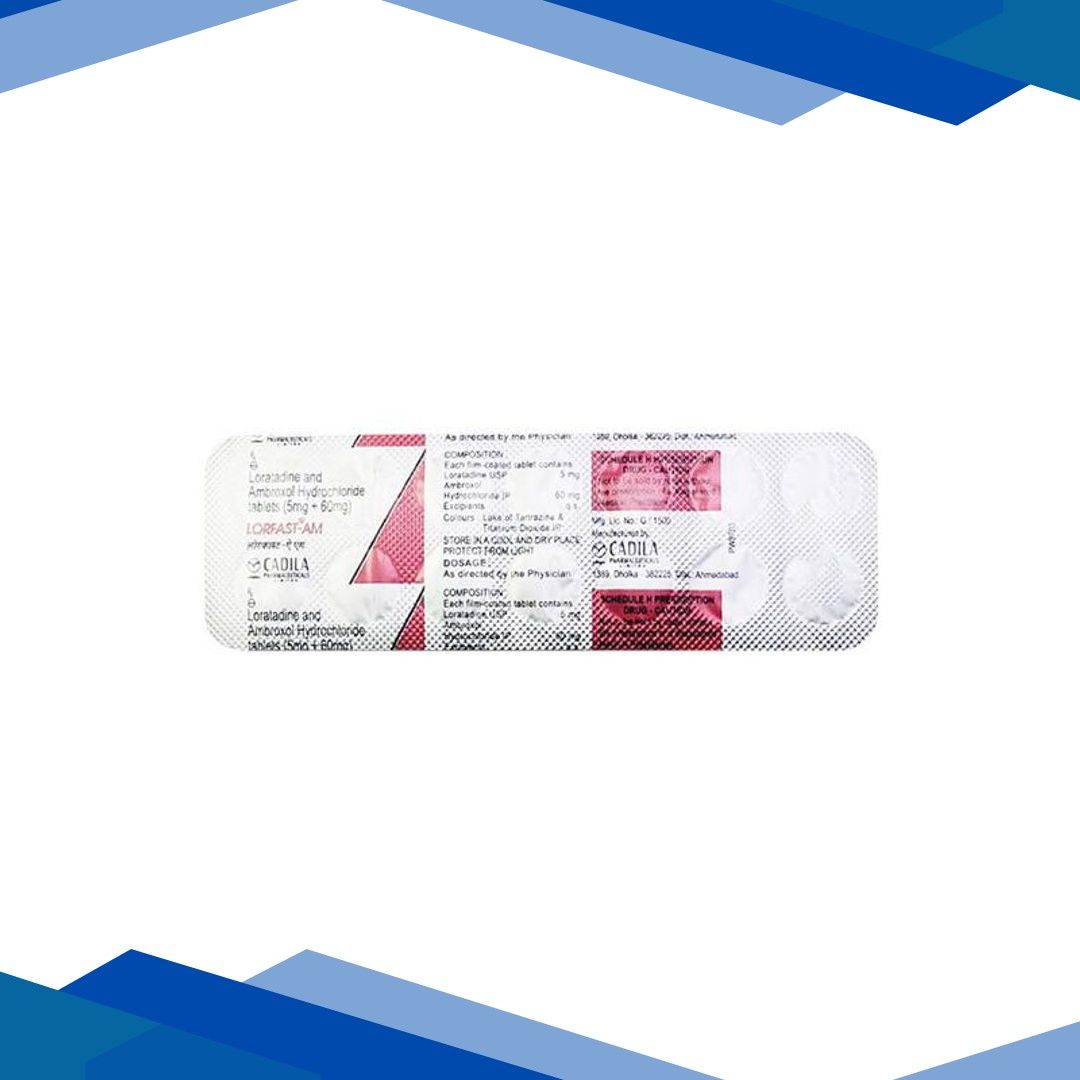
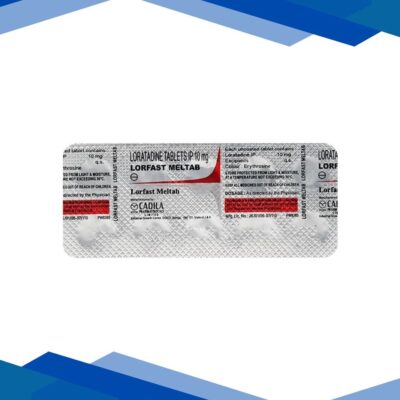
Lorfast Meltab Tablet 10’S
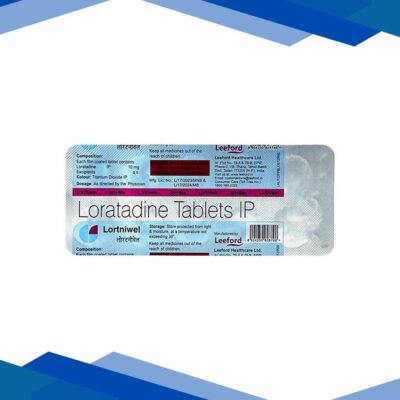
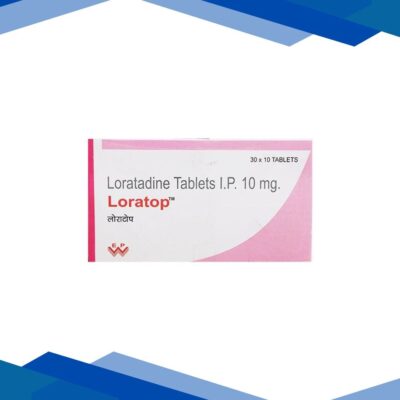
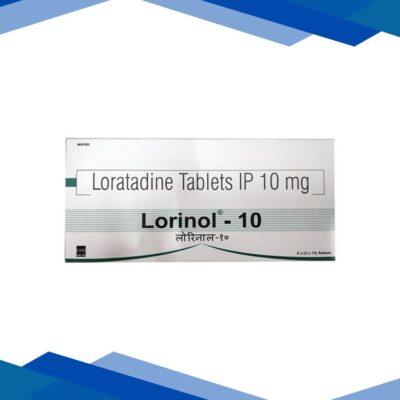
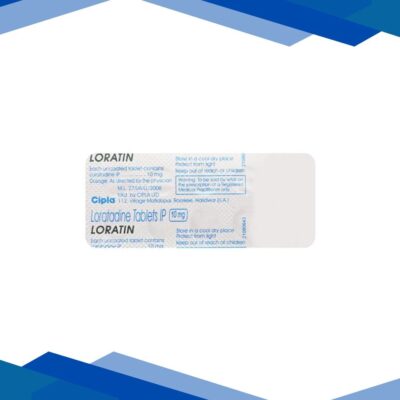
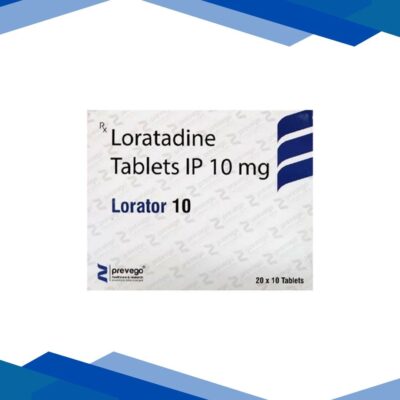

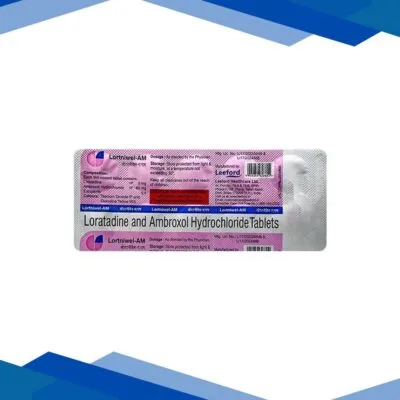
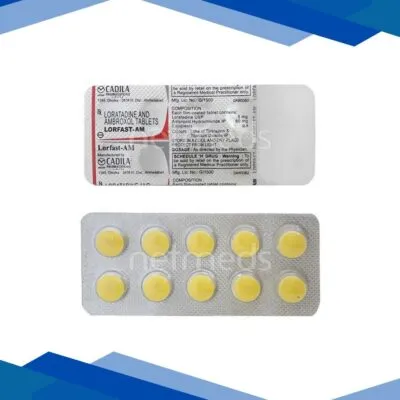
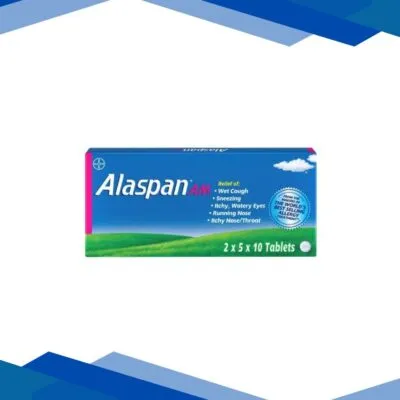
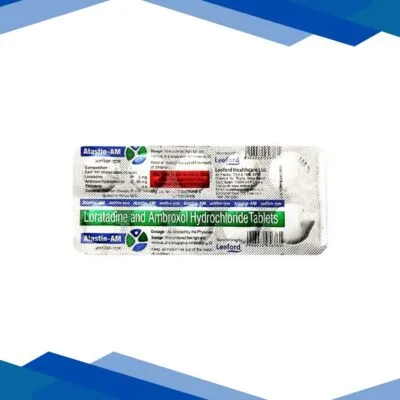
Loratadine is an extensively used OTC second-generation antihistamine for the treatment of allergic rhinitis (seasonal or perennial). It is widely preferred due to its rapid onset and relatively non-sedating profile compared to earlier antihistamines. Unlike first-generation antihistamines, Loratadine acts mainly in the peripheral tissues rather than the central nervous system, which helps avoid drowsiness. It works by blocking histamine receptors in the gastrointestinal tract and skin, preventing histamine from triggering allergic symptoms. As a result, it allows individuals to continue daily activities without feeling sleepy or sluggish.
Key Benefits and Uses
Hay Fever Relief: Reduces sneezing, runny nose, nasal itching, and post-nasal drip.
Eye Irritation Management: Helps relieve redness, itching, and watery eyes caused by allergens such as pollen, dust mites, or pet dander.
Skin Allergy Treatment: Reduces itching, redness, and swelling in conditions like chronic urticaria (hives).
Non-Drowsy, 24-Hour Coverage: Provides once-daily relief that lasts throughout the day and night, supporting normal daily activities.
Minimally Important Ways to Take the Drug
Follow the dosage instructions provided on the label or by your healthcare provider.
Dosage Regimen: Take one 10 mg tablet every 24 hours. Do not exceed the recommended dose.
Administration: Swallow the tablet with a glass of water. It can be taken with or without food.
Consistency: For seasonal allergies, take it at the same time daily for better symptom control during high-allergen periods.
The Most Common Side Effects and Ways to Manage Them
Loratadine is generally well tolerated, and most people experience no side effects. However, mild effects may include:
Mild headache
Dry mouth or throat
Temporary fatigue or tiredness
Mild stomach discomfort
⚠️ Precaution: Although classified as a non-drowsy antihistamine, individual responses may vary. A very small number of people may feel mild dizziness or drowsiness. Observe your reaction after the first dose before driving or operating machinery.
Safety Information & Interactions
Herbal Supplements: Use with caution. Always consult your doctor, as interactions may occur with certain herbal products.
Alcohol: Caution advised. Excess alcohol may increase dizziness or drowsiness.
Pregnancy: Consult your doctor. No clear evidence of harm exists, but it should only be used under medical supervision.
Breastfeeding: May pass into breast milk in small amounts. Generally considered safe, but medical advice is recommended.
Liver/Kidney Problems: Dose adjustment may be required as drug clearance may be reduced. Doctors may recommend alternate-day dosing in some cases.
Skin Allergy Tests: Stop medication at least 48–72 hours before testing, as it may interfere with results.
Frequently Asked Questions (FAQ)
Q. How long does it take for Loratadine to work?
It starts working within 1–3 hours, with peak effects around 8–12 hours, and provides relief for up to 24 hours.
Q. Can I take more than the recommended dose during severe allergies?
No. Do not exceed 10 mg daily. Higher doses do not improve effectiveness and may increase side effects such as headache, palpitations, or drowsiness.
Q. Can Loratadine be used daily long term?
Yes, it can be used daily under medical supervision. It is non-habit forming and remains effective throughout allergy seasons. If symptoms persist after one week, consult your doctor.
Q. How is Loratadine different from Cetirizine?
Both are second-generation antihistamines, but Loratadine has a lower tendency to cross the blood-brain barrier, making it generally less sedating than Cetirizine in many individuals.
Q. Can children take Loratadine?
Yes. The usual adult dose is safe for children above 6 years who can swallow tablets. For ages 2–5 years, lower doses (typically 5 mg syrup) are used under pediatric supervision. Always consult a pediatrician before use.