LINABITE D Tablet 10’s
ISTAVEL D 10/50 Tablet 15’s
SITABITE D 100/10 Tablet 10’s
SITANAT D Tablet 10’s
DPA S 10/100 Tablet 10’s
LINADEL D Tablet 10’s
What are you looking for?
Showing all 4 resultsSorted by popularity
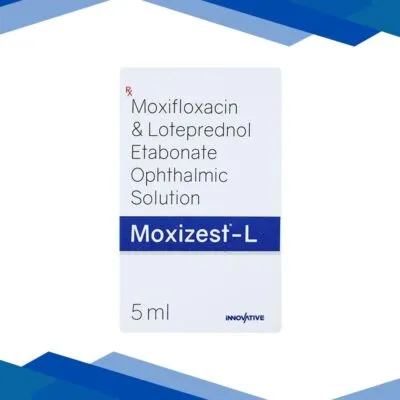
FilterMOXIZEST L Ophthalmic Solution 5ml
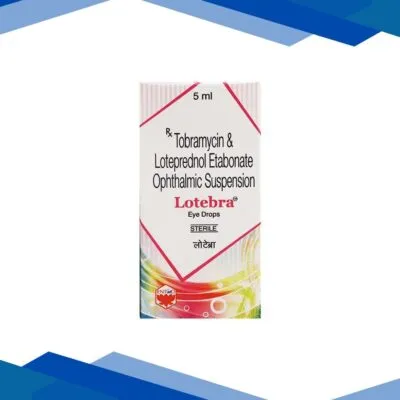
Lotebra Eye Drops 5ml
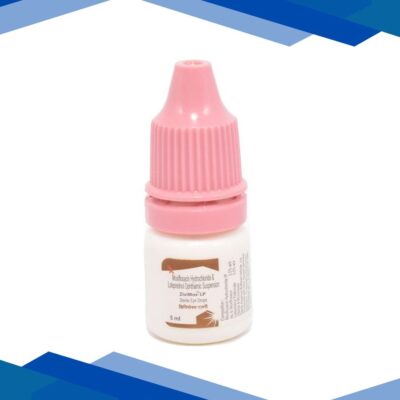
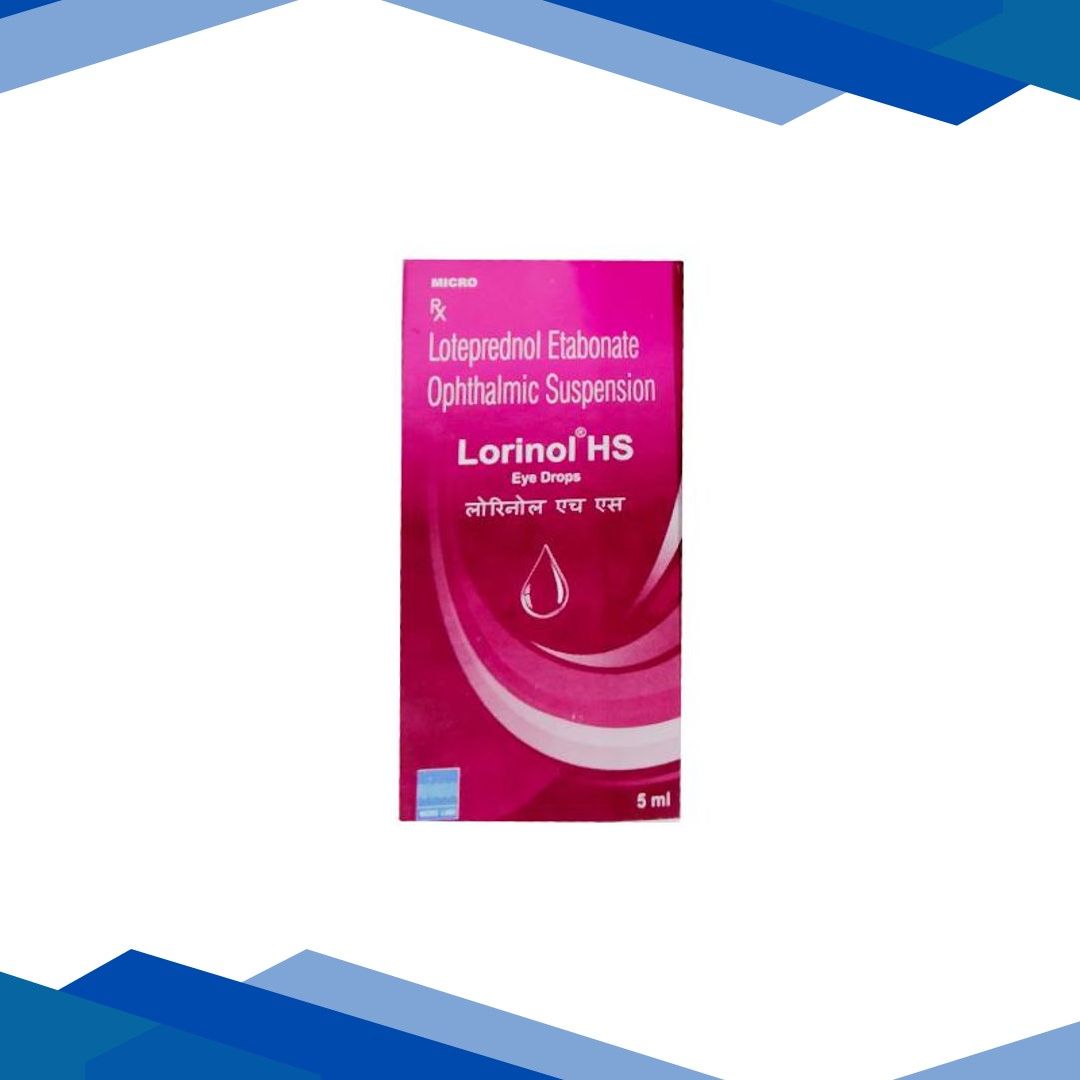
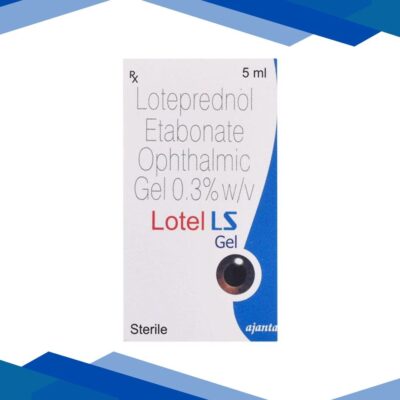
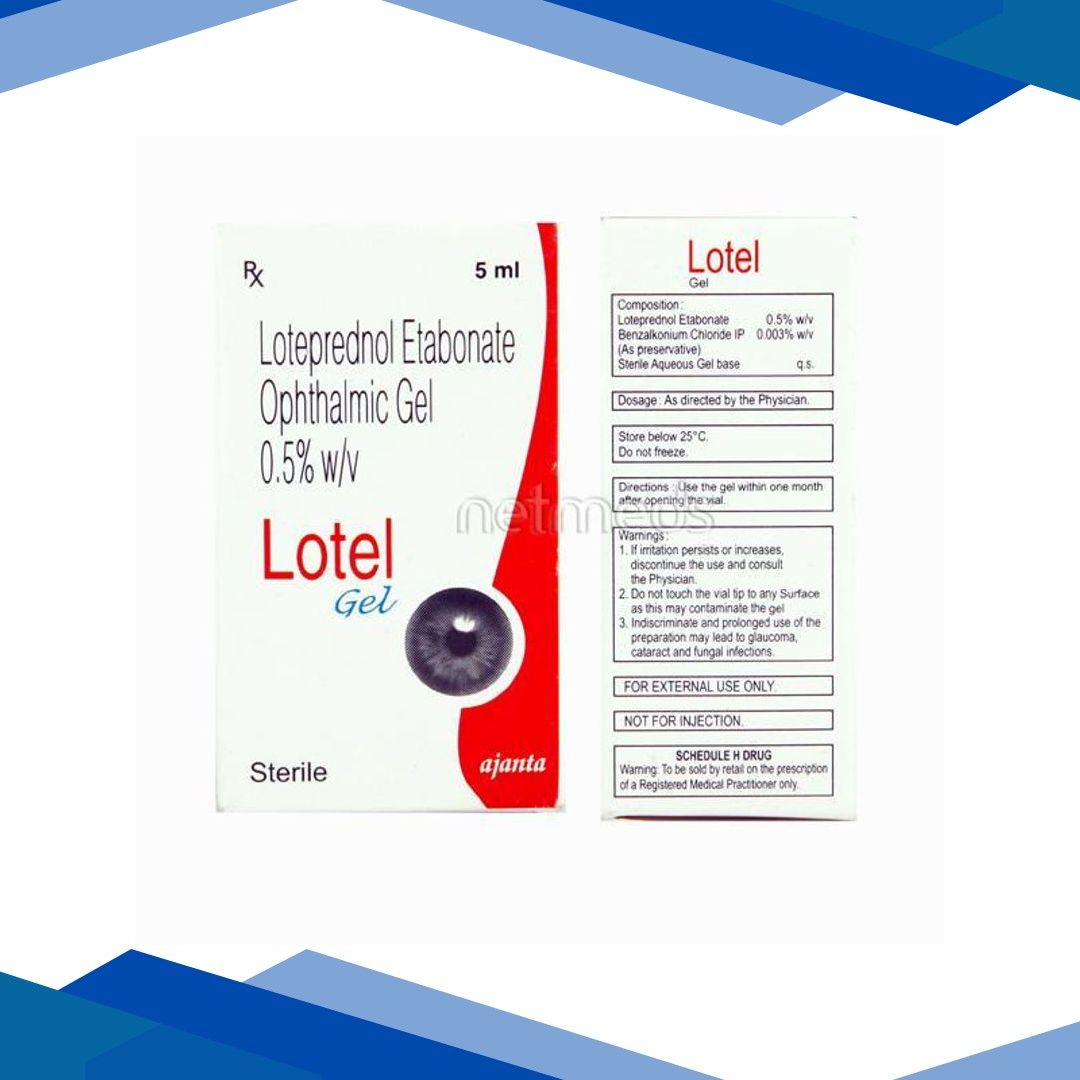
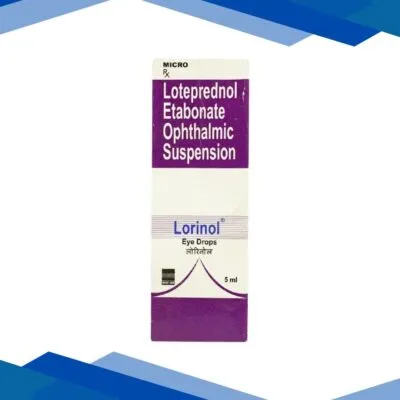
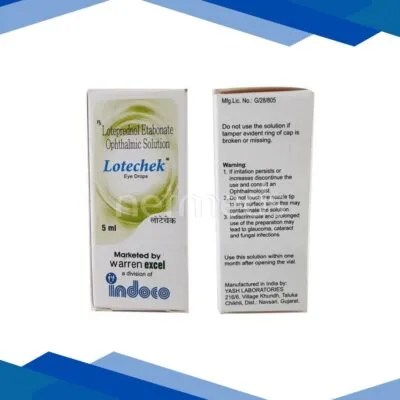
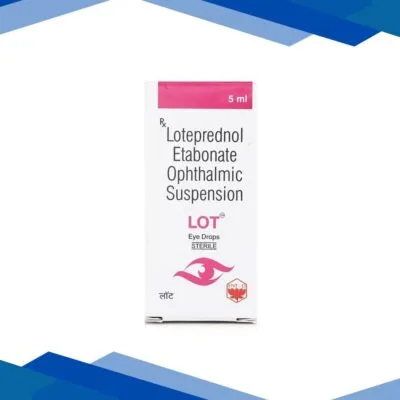
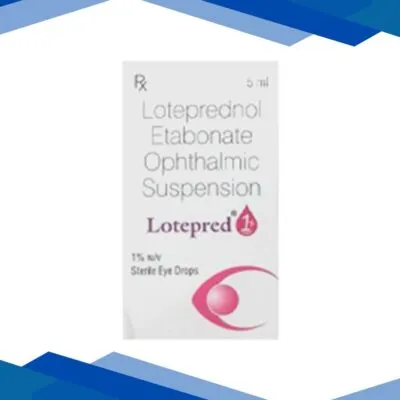
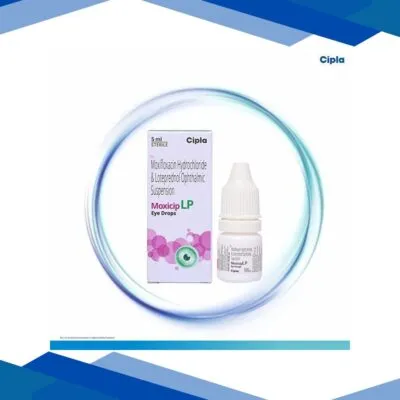
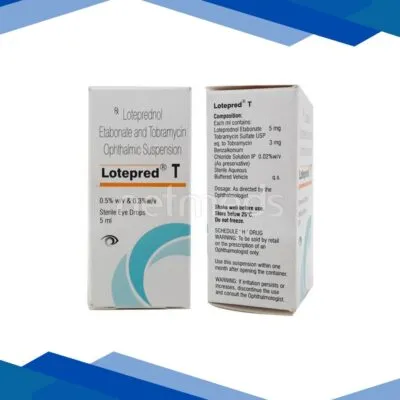
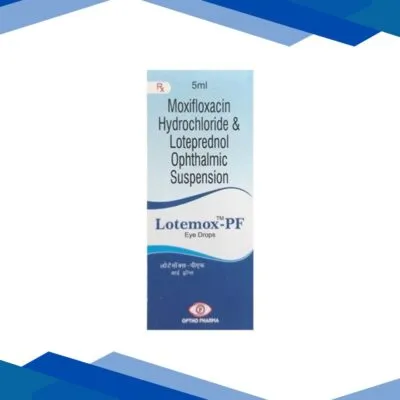
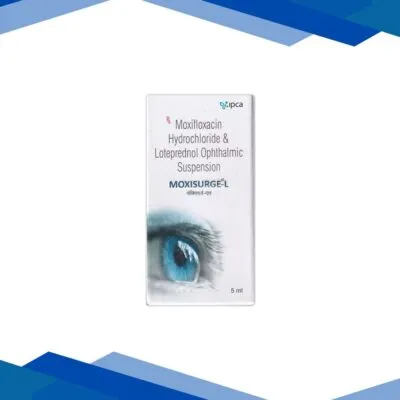
Loteprednol Ophthalmic Suspension
Loteprednol Etabonate is a strong topical corticosteroid made specifically for eye use, so it shows up as eyedrops, but yeah also as a suspension. It is commonly prescribed to calm ocular inflammation, swelling, discomfort, and redness that can come from eye surgeries (for example cataract removal), seasonal allergic conjunctivitis, dry eye disease flare ups, and also from non-infectious issues in the front part of the eye. Some people compare it with older ocular steroids like prednisolone or dexamethasone, but Loteprednol is the so called “soft steroid.” That means it tries to work hard at the target site on the eye surface, then it quickly breaks down into inactive metabolites, in other words it stops being strongly active once it has done its job. Because of that design it tends to have a lower statistical chance of triggering a big rise in internal eye pressure (intraocular pressure) or causing early cataracts.
Key information table, Features and details
Feature | Description
Active Ingredient | Loteprednol Etabonate (0.2%, 0.5%, or 1% strengths)
Therapeutic Class | Corticosteroid / Anti-inflammatory Ophthalmic Agent
Prescription Status | Schedule H Drug (needs a valid medical prescription)
Common Formulations | Sterile Eye Drops / Eye Suspensions / Ophthalmic Gels
Habit-Forming | No
Primary Medical Uses
Post-Operative Inflammation: controls tissue redness, structural swelling, and deep throbbing pain after intraocular procedures, including cataract extractions and refractive laser treatments.
Allergic Conjunctivitis: gives temporary relief for stubborn seasonal or perennial eye allergies, with symptoms like persistent itching, watery discharge, and conjunctival redness.
Steroid-Responsive Ocular Conditions: helps manage non-infectious inflammation involving the cornea, eyelids, and the clear membrane covering the white portion of the eye.
Mechanism of Action: How it Works
Loteprednol works by moving across cellular membranes in the ocular tissues. Once inside, it binds tightly to glucocorticoid receptors. That binding starts a chain reaction that reduces the making of arachidonic acid metabolites. When that pathway gets shut down, it prevents inflammatory chemical messengers, including prostaglandins and leukotrienes. At the same time, it also reduces capillary dilation, fluid buildup (edema), and the odd migration of white blood cells toward the ocular surface, which helps reverse localized irritation.
Guidance for Administration, practical steps
- Preparation: wash your hands well using soap and water before touching the bottle.
- Agitation: shake the bottle hard for at least 5 to 10 seconds before each dose, so the suspension layer is evenly mixed.
- Application: tilt your head back slightly, pull down the lower eyelid, and create a small pocket. Hold the dropper tip right above the eye, look upward, and squeeze in one drop.
- Nasolacrimal Occlusion: close your eye gently, then press the inner corner (near the bridge of your nose) for about 1 minute. This keeps the medicine localized and can reduce drainage into your throat or systemic circulation.
- Hygiene: do not touch the dropper tip to eyelashes, fingers, or any surface to protect the sterility of the bottle.
Safety Advice and Special Precautions
Pregnancy and Breastfeeding
Systemic uptake of loteprednol is exceptionally low when used in the eye, but well controlled clinical trials in pregnant or nursing people are limited. Your ophthalmologist should prescribe it only when the clear clinical benefit to you is greater than the potential theoretical risk to the baby.
Driving and Machine Operation
After instilling these drops you may get temporary blurred vision, watery eyes, or mild stinging for a few minutes. Do not drive, ride a scooter, or operate high speed equipment until your vision is fully back to normal.
Lens Management (Contact Lenses)
Many formulations include Benzalkonium Chloride (BAK) as a preservative. BAK can be absorbed by soft contact lenses, and that can lead to permanent lens discoloration or localized corneal irritation. Remove your contacts before using the drops and wait at least 15 minutes before reinserting them. If your eyes are actively red or inflamed, it is best to avoid contact lenses entirely.
Intraocular Pressure Monitoring
If your doctor places you on a Loteprednol plan longer than 10 to 14 days, you must show up for follow-up visits so your intraocular pressure can be checked. If pressure is not monitored, longer use of any eye steroid can hide secondary infections or allow silent pressure spikes.
Side Effects, common versus serious
Common and usually mild
You might notice transient burning or stinging right after instillation, dry eyes, a feeling like something is in the eye, or a mild headache.
Serious effects, get urgent medical help
Sudden eye pain, thick yellow or green discharge, eyelid crusting, strong sensitivity to light, or visual distortions such as seeing halos around lights.
Frequently Asked Questions (FAQs)
Q. Is Loteprednol safer than other eye steroids like Dexamethasone?
Yes, in a structural way. Loteprednol is engineered as a “soft steroid.” Traditional steroids may stay active longer in the eye, which can raise the risk of pressure spikes and cataracts. Loteprednol is metabolized into inactive substances by enzymes in the eye tissue, which helps lower the chance of elevating intraocular pressure.
Q. Can I use Loteprednol eye drops for common pink eye infection?
No, do not self treat. This medication is a steroid anti inflammatory, it has zero anti bacterial, anti fungal, or anti viral activity. Using a steroid on an undiagnosed viral or fungal infection can weaken local immune defenses and let the infection spread quickly.
Q. What is the usual shelf life after opening a bottle of Loteprednol?
For most sterile ophthalmic products, discard the bottle 4 weeks (28 days) after breaking the seal, even if some liquid remains. Extending past that window increases the risk of bacterial contamination in the dropper tip.
Q. Can I apply multiple different eye drops at the same time?
If you have more than one medication in your prescription, like lubricating drops or pressure lowering drops, keep a strict gap of at least 5 to 10 minutes between each one. If you apply them back to back, the second drop can wash the first one out before it absorbs well. If you use an eye ointment, apply it last.
Q. How long does it take for Loteprednol to start working?
For seasonal allergies or post-surgical swelling, many people see less redness and irritation within 24 to 48 hours. If there is zero improvement, or symptoms worsen after 2 days of regular use, contact your eye specialist right away for a clinical recheck.