
Showing all 2 resultsSorted by popularity
Filter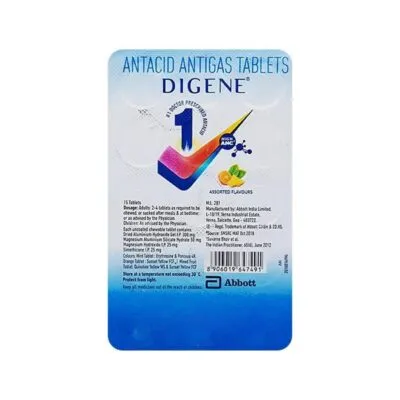
Digene Acidity & Gas Relief – Assorted Flavours Tablet 15’S
Magnesium Aluminium Silicate Hydrate / Generic Overview
Magnesium Aluminium Silicate (often paired with aluminium hydroxide and magnesium hydroxide) is a dual function mineral compound. It works both as an active antacid, neutralizing hyperacidity, and as a kind of pharmaceutical stabilizer, basically an adsorbent plus suspending agent, so liquid gastrointestinal suspensions stay uniform and you receive a steadier dose each time.
Therapeutic Class: Antacids / Gastrointestinal Agents
Action Class: Antacid Combinations & Pharmaceutical Excipients
Available Forms: Oral Liquids (Suspensions) and Chewable Tablets
Prescription Status: Over-the-Counter (OTC)
Primary Uses & Clinical Benefits
1. Quick Relief from Acid Reflux and Heartburn
Magnesium Aluminium Silicate reacts quickly with excess gastric acid buildup. It reduces that burning feeling in the chest and throat, usually linked with Gastroesophageal Reflux Disease (GERD).
2. Calm the Gastric Lining
It acts like a protective coating agent across the stomach’s inner surface. This helps with symptoms related to gastritis, peptic ulcers, and general indigestion, though the relief is mainly symptom focused.
3. More Even Medication Delivery
In liquid products, its high surface area and absorbing capacity help stop active ingredients from settling at the bottom. So each spoonful is closer to the same, balanced therapeutic dose, instead of the “last bites” being stronger or weaker.
Mechanism of Action: How It Works
Magnesium Aluminium Silicate operates via neutralization plus physical adsorption.
When it reaches the stomach, silicate molecules react with free hydrochloric acid (HCl), lowering overall acidity and increasing the stomach’s internal pH. Also, its gel-like molecular structure can bind excess bile acids and pepsin enzymes. That helps shield sensitive stomach tissues from chemical irritation, without directly switching off the body’s natural acid pump activity.
Directions for Use & Daily Administration
For Liquid Suspensions
Shake the bottle vigorously before each dose to redistribute the mineral layers. Take your dose as directed, and avoid mixing it into other secondary liquids if you want maximum effect.
For Chewable Tablets
Chew the tablets thoroughly before swallowing. Do not swallow whole, because the physical breakdown is needed to trigger the protective acid-neutralizing reaction. Take with a full glass of water after.
Optimal Timing
Take it between meals (about 1 to 2 hours after eating) and also before bedtime, or follow your physician’s directions exactly.
Daily Therapy Window
Do not self-medicate with this compound continuously for more than 14 consecutive days, unless you first seek professional diagnostic feedback.
Potential Side Effects
Magnesium Aluminium Silicate is generally well tolerated, but small metabolic changes may happen depending on your individual physiology.
Common Side Effects
- A mild chalky aftertaste right after taking it
- Mild diarrhea, often related to the localized magnesium component
- Mild constipation, often related to the localized aluminium component
- Nausea or brief stomach cramping
Serious Side Effects (Stop and Seek Emergency Medical Attention)
- Allergic reactions like unexpected skin hives, intense itching, or swelling of the throat and tongue
- Signs of hypermagnesemia, meaning too much magnesium in the blood: severe dizziness, muscle weakness, confusion, slow heartbeat, or unusual lethargy
Safety Commitments & Special Warnings
| Clinical Parameter | Safety Rating | Core Medical Advisory |
|---|---|---|
| Kidney Status | ❌ Contraindicated | Avoid if you have severe kidney disease or renal failure. Impaired kidneys may not filter out excess magnesium and aluminium ions well, which can lead to systemic toxicity. |
| Pregnancy | ⚠️ Caution | Often considered safe for short-term use, but it should be taken under tight professional supervision to monitor trace metal balance. |
| Drug Separations | ⚠️ High Importance | Antacids can interfere with absorption of other medications. Do not take this compound within 2 hours of antibiotics such as tetracyclines or fluoroquinolones, or with iron supplements. |
| Appendicitis Signs | ❌ Avoid | Do not use antacids if you have undiagnosed severe abdominal pain, nausea, or vomiting. Those can indicate acute appendicitis. |
Frequently Asked Questions (FAQs)
Q. What is the purpose of Magnesium Aluminium Silicate in my antacid syrup?
It has a crucial dual role. It actively neutralizes excess stomach acid to relieve indigestion and heartburn. Structurally, it also acts like a superior texturizer and suspending agent, which prevents the liquid medicine from splitting into layers, keeping the formula shelf stable and the dose accurate.
Q. Why do antacid products combine magnesium and aluminium together?
It is a calculated formulation approach that helps keep bowel movements regular. Magnesium compounds tend to cause a laxative effect and loose stools, while aluminium compounds are more known for constipation. Combined together in proper proportions, they balance each other to help maintain typical digestion.
Q. Can I use this mineral antacid before eating spicy foods?
No. Magnesium Aluminium Silicate is reactive, meaning it works on acid already present in your stomach. It does not prevent stomach cells from producing acid later. For prevention, ask your doctor about alternatives like H2 blockers or Proton Pump Inhibitors (PPIs).
Q. What should I do if my chronic acid symptoms come right back after stopping?
If symptoms do not improve after 7 to 14 days of regular use, or if they return strongly right after you stop, that suggests you may need a deeper diagnostic check. You could be dealing with an underlying issue such as an active peptic ulcer or advanced GERD, which may require prescription-level treatment instead of over-the-counter antacids.