
Showing all 4 resultsSorted by popularity
Filter
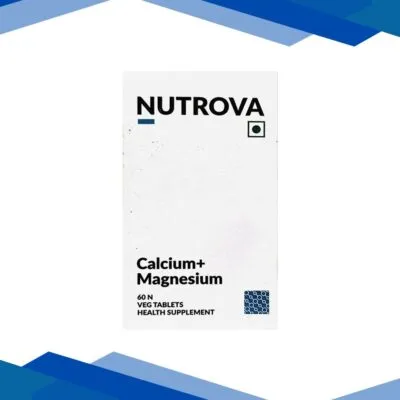
NUTROVA CALCIUM + MAGNESIUM VEG Tablet 60’s
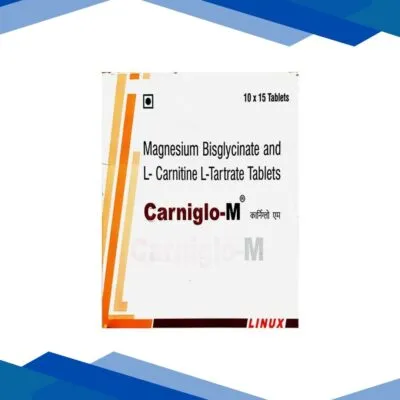

UBICAR NUTRACEUTICALS Tablet 10’s
Magnesium Bisglycinate: Overview, Uses, and Side Effects
Magnesium Bisglycinate (also known as Magnesium Diglycinate or Magnesium Glycinate) is a premium, high-bioavailability chelated mineral supplement. It features an elemental atom of magnesium chemically bonded to two molecules of glycine, a calming amino acid.
Unlike standard inorganic magnesium salts (such as magnesium oxide), which rely heavily on stomach acid to break down and can irritate the intestines, Magnesium Bisglycinate is highly stable. It passes through the stomach intact and is absorbed directly through your intestinal walls via specialized amino acid pathways. Because your body recognizes it as an organic protein-like compound, it achieves exceptional absorption rates with an incredibly low risk of causing digestive issues.
Key Benefits & Uses
Physicians, neurologists, and nutritionists frequently recommend Magnesium Bisglycinate to support multiple neuromuscular and metabolic functions:
-
Promoting Quality Sleep & Relaxation: The combination of highly absorbable magnesium and the calming amino acid glycine helps soothe the central nervous system, making it an excellent choice for managing chronic stress, anxiety, and insomnia.
-
Relieving Muscle Cramps & Spasms: Helping to regulate muscle contractions and nerve signaling, providing effective relief for nocturnal leg cramps, sports recovery, or conditions like restless legs syndrome (RLS).
-
Correcting Deficiencies safely: Restoring low blood magnesium levels (hypomagnesemia) without triggering the digestive distress or laxative effects common with lower-tier supplements.
-
Chronic Pain & Migraine Management Support: Providing neuromuscular relaxation that can help lower the frequency of tension headaches and support chronic pain management routines.
How to Take Magnesium Bisglycinate Correctly
-
Evening Timing: If you are using this supplement to improve sleep quality or ease evening muscle tension, take your dose roughly 30 to 60 minutes before bedtime.
-
With or Without Food: Because of its advanced chelated structure, Magnesium Bisglycinate is highly stable and gentle. It can be taken on an empty stomach without causing irritation, though taking it with a light snack is perfectly fine.
-
The 2-Hour Separation Rule: Like all magnesium compounds, it can bind to specific prescription drugs in your gut. Take your supplement at least 2 hours before or 2 hours after taking antibiotics (like Doxycycline), iron pills, or thyroid medications (like Levothyroxine).
Safety Advice & Vital Precautions
| Category | Guidance |
| Kidney Health | Crucial Warning. Your kidneys filter excess minerals out of your blood. If you have chronic kidney disease (CKD) or kidney impairment, avoid taking magnesium supplements unless closely monitored by a nephrologist to prevent a dangerous buildup (hypermagnesemia). |
| Blood Pressure Interactions | Magnesium naturally relaxes blood vessels and can mildly lower blood pressure. If you are already taking daily antihypertensive medications, discuss it with your doctor to ensure your blood pressure doesn’t drop too low. |
| Pregnancy & Lactation | Magnesium Bisglycinate is generally considered an exceptionally safe and preferred form of magnesium during pregnancy and breastfeeding. Always verify the correct daily elemental dosage with your obstetrician. |
Common Side Effects
Because it utilizes specialized amino acid absorption channels, Magnesium Bisglycinate is widely celebrated for having virtually no laxative effect. However, mild systemic adjustments can occasionally happen:
-
Mild daytime drowsiness (if taken in high doses during the morning)
-
Mild stomach softening or loose stools (rare, but can occur if your body’s total magnesium threshold is exceeded)
-
A mild temporary change in taste or a slight headache
Signs of Severe Magnesium Overdose: Discontinue use and seek emergency medical care immediately if you experience profound muscle weakness, a dangerously slow heart rate, severe dizziness, confusion, extreme drowsiness, low blood pressure, or shallow breathing.
Frequently Asked Questions (FAQs)
Q: Why is Magnesium Bisglycinate preferred over Magnesium Oxide or Magnesium Citrate?
The difference comes down to absorption and digestive tolerance. Magnesium oxide has a very low absorption rate, meaning it stays in your gut and acts primarily as a laxative. Magnesium citrate is absorbed better but still draws substantial water into the bowel, making it ideal for treating constipation. Magnesium Bisglycinate is absorbed the most efficiently of all, entering your bloodstream quickly without pulling excess water into the bowel, making it the premier choice for targeting muscle relaxation, nerve health, and sleep without causing diarrhea.
Q: What is the difference between “Elemental” magnesium and the total compound weight?
When looking at a supplement label, you may see a number like “Magnesium Bisglycinate 1000 mg yielding 100 mg of Elemental Magnesium.” The 1000 mg represents the total weight of the combined magnesium and glycine molecule. The 100 mg of Elemental Magnesium is the actual amount of active magnesium your body absorbs and utilizes. Always track your daily intake based on the elemental value, ensuring you align with the recommended dietary allowance (RDA) suggested by your doctor.
Q: What should I do if I miss a scheduled daily dose?
If you miss a dose, take it as soon as you remember. If it is already morning and you normally take it at night for sleep, skip the missed dose entirely to avoid daytime drowsiness and simply resume your regular routine the following evening. Do not take a double dose to catch up.
Q: Can I take Magnesium Bisglycinate long-term?
Yes, when taken within the standard daily recommended limits under clinical guidance, Magnesium Bisglycinate is highly safe for long-term use to support cellular health, sleep hygiene, and muscle recovery. Your doctor may suggest periodic blood panels to monitor your overall mineral and kidney health over time.
Disclaimer: The nutritional, neurological, and clinical insights provided on this page are intended strictly for general educational purposes. They cannot replace a personalized, professional medical consultation, diagnosis, or treatment plan from a certified physician or neurologist. Always consult your doctor before beginning a new dietary supplement routine.