
Showing all 5 resultsSorted by popularity
Filter

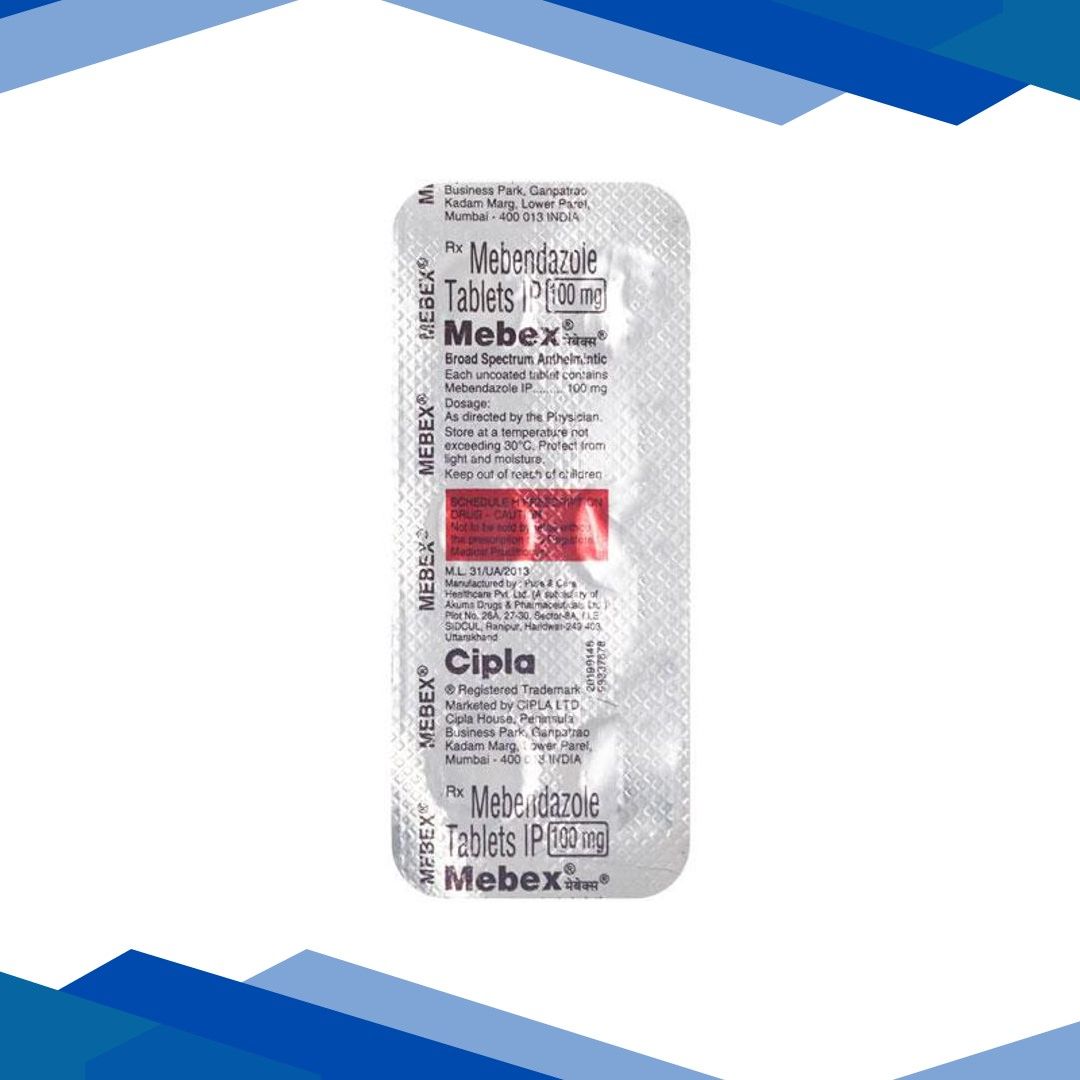

Mebendazole: Overview, Uses, and Side Effects
Mebendazole is a highly effective, broad-spectrum prescription anthelmintic medication (anti-worm treatment). It belongs to the benzimidazole class of medicines and is widely used globally to clear intestinal parasite infections.
Mebendazole works via a highly specific mechanical process: it selectively blocks the parasite from absorbing glucose and other essential nutrients. This completely depletes the worm’s internal energy reserves, causing its cellular structure to break down. The paralyzed, dying worms are then naturally and safely flushed out of the human digestive tract through normal bowel movements over the course of a few days.
Key Benefits & Uses
General physicians and pediatricians prescribe Mebendazole to treat a wide array of single or mixed intestinal worm infestations, including:
-
Enterobiasis (Pinworm/Threadworm): Eliminating the most common type of small, white intestinal worms that cause intense nighttime itching around the rectal area.
-
Ascariasis (Large Roundworm): Clearing large intestinal roundworms that can migrate through internal systems.
-
Hookworm Infections: Treating Ancylostoma duodenale or Necator americanus infestations, which can otherwise cause chronic anemia if left unaddressed.
-
Trichuriasis (Whipworm): Eradicating stubborn whipworm infections located deep within the large intestine.
How to Take Mebendazole Correctly
-
Check the Form: Mebendazole is widely available as a standard capsule, a liquid suspension, or a pleasant, fruit-flavored chewable tablet.
-
Chew or Swallow: Chewable tablets should be chewed completely before swallowing. If prescribing to a young child, the tablet can be crushed and mixed into a small spoonful of food (like applesauce or yogurt) for easy ingestion.
-
Food Rules: You can take this medicine with or without food. However, consuming a meal that contains healthy fats (like milk, cheese, or olive oil) drastically improves how well your body absorbs the medication, helping it target systemic parasites more effectively.
-
The Second Dose Rule: For common pinworm infections, a single tablet is often enough to kill the adult worms. However, it does not kill their unhatched eggs. Your doctor will almost always prescribe a identical second dose to be taken exactly 2 weeks later to catch and eliminate any newly hatched worms before they can reproduce.
Safety Advice & Expert Precautions
| Category | Guidance |
| Whole House Treatment | Pinworm eggs spread incredibly easily through bedsheets, clothing, and dust. If one person in a household is diagnosed with pinworms, the entire family should be treated at the same time to prevent constant re-infection. |
| Age Restrictions | Mebendazole is generally approved for adults and children older than 2. It should not be given to infants or children under 2 years old unless explicitly calculated and monitored by a pediatrician. |
| Pregnancy & Nursing | Avoid unless necessary. Mebendazole has shown potential developmental risks in laboratory studies. It is typically avoided during the first trimester of pregnancy unless deemed absolutely vital by an obstetrician. |
| Hygiene Protocol | While taking the medicine, wash all bedsheets, pajamas, and underwear in hot water. Keep your fingernails clipped short and wash your hands thoroughly before meals. |
Common Side Effects
Mebendazole targets the cellular structure of worms rather than human cells, making it an exceptionally well-tolerated drug. However, as the worms die off inside your gut, you may experience minor temporary symptoms:
-
Mild abdominal pain, stomach discomfort, or bloating
-
Mild diarrhea or temporary flatulence (gas)
-
A brief skin rash or mild dizziness
When to notify your physician: While extremely rare with standard short-term dosing, contact your doctor immediately if you experience a sudden severe skin rash, yellowing of your eyes or skin (jaundice), or an unexplained sore throat accompanied by a sudden fever.
Frequently Asked Questions (FAQs)
Q: Will I see worms passing out of my body after taking Mebendazole?
Not necessarily. Because Mebendazole destroys the cellular integrity of the parasite, the worms are frequently broken down and completely digested by your intestinal tract before they exit. In most cases, you will not see anything unusual in your stool, though you may occasionally see small, dead pinworms if the initial infection load was high.
Q: What should I do if I forget to take my scheduled second dose?
If you forget to take your follow-up dose at the 2-week mark, take it as soon as you remember. However, if several weeks have passed, the lifecycle of the pinworm may have restarted completely. Contact your doctor or pharmacist to see if you need to adjust your tracking schedule or start a fresh treatment cycle.
Q: Can I take Mebendazole if I am currently taking standard antibiotics?
While most general antibiotics do not interact with Mebendazole, you must let your doctor know if you are taking an anti-ulcer medication called Cimetidine. Cimetidine can interfere with how your liver breaks down Mebendazole, causing the level of the worm medication in your blood to rise higher than intended.
Q: Why do I still feel itching after taking my first dose of Mebendazole?
The intense itching caused by pinworms is an allergic reaction to the fluid the female worm secretes while laying eggs around the rectum. Even after the medicine successfully eliminates the adult worms, the residual fluid and eggs can take a few days to fully wash away. Applying a gentle barrier cream or taking a warm bath can help soothe the skin during the first 48 hours.
Disclaimer: The parasitic, gastroenterological, and clinical insights provided on this page are intended strictly for general educational purposes. They cannot replace a personalized, professional medical consultation, diagnosis, or treatment plan from a certified physician or pediatrician. Always consult your doctor before starting any new prescription medication.