
Showing all 9 resultsSorted by popularity
Filter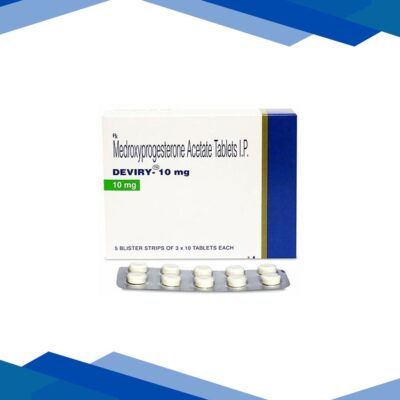
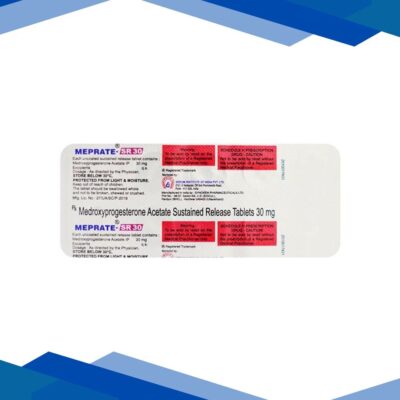
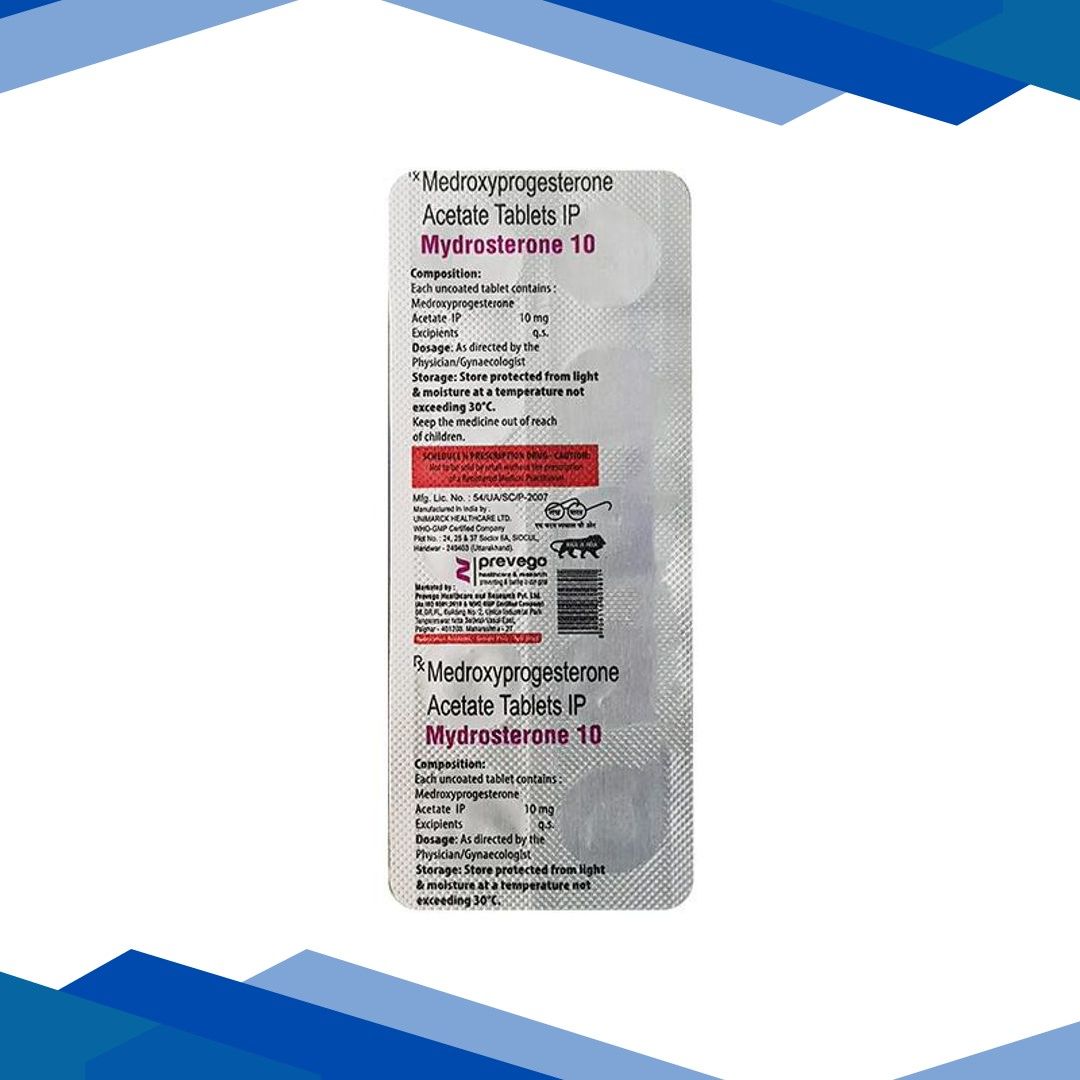
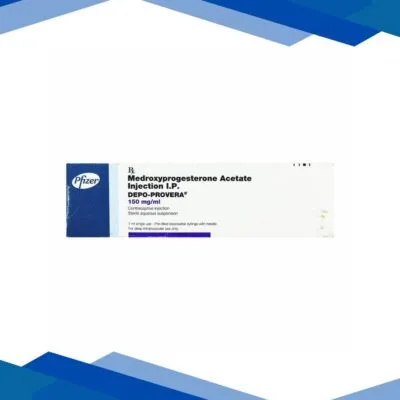
Depo Provera 150mg Injection 1ml
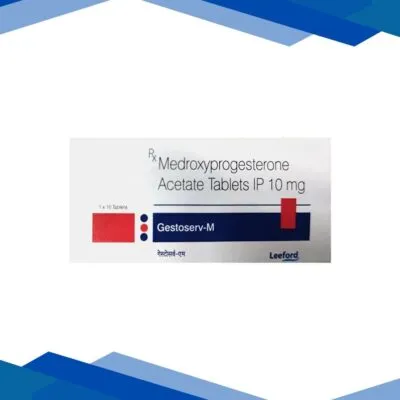
Medroxyprogesterone: Overview, Uses, and Side Effects
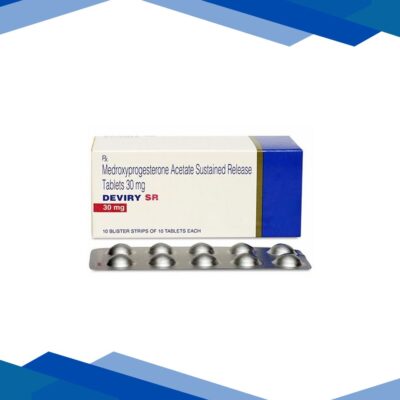
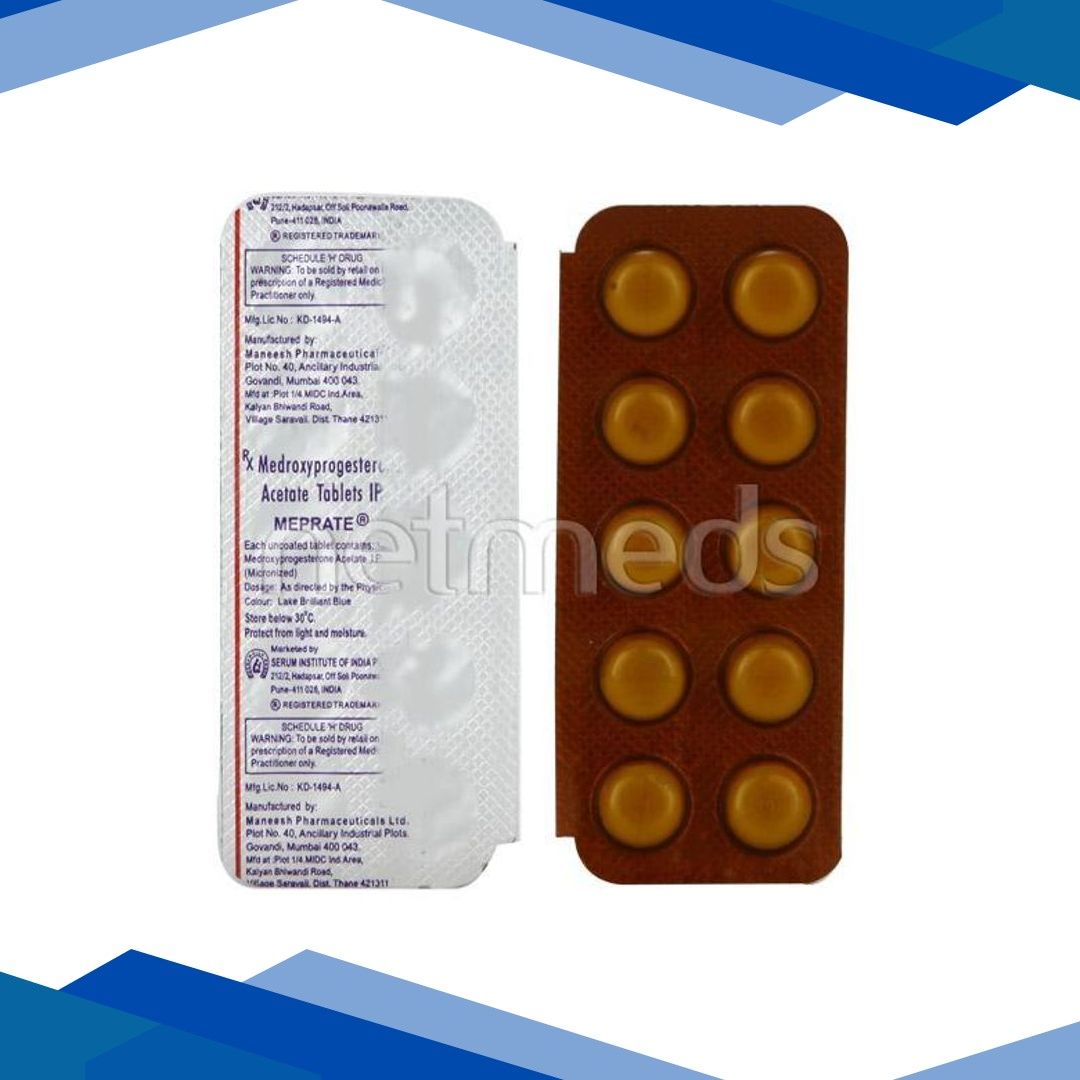
Medroxyprogesterone Acetate is a highly potent prescription medication that belongs to a class of drugs known as progestins. It is a synthetic variant of the naturally occurring female sex hormone, progesterone.
In a typical menstrual cycle, progesterone is responsible for regulating the growth and shedding of the uterine lining (endometrium). When your body’s natural hormone levels become unbalanced, it can lead to irregular cycles or excessive tissue growth. Medroxyprogesterone works by mimicking natural progesterone, stepping in to restore hormonal balance, transform a proliferative uterine lining into a secretory one, and regulate reproductive cycles.
Key Benefits & Uses
Gynecologists and oncologists prescribe Medroxyprogesterone for several specific health conditions:
-
Managing Abnormal Uterine Bleeding: Restoring a predictable menstrual cycle and stopping heavy or irregular bleeding caused by a hormonal imbalance.
-
Treating Secondary Amenorrhea: Inducing a normal monthly period in women whose menstruation has stopped unexpectedly for several months (and who are not pregnant).
-
Endometriosis Management: Providing pain relief and shrinking ectopic endometrial tissue when used in specific therapeutic dosages.
-
Long-Acting Contraception: In its injectable form (commonly known as Depo-Provera), it is administered every 3 months as a highly effective birth control method that prevents ovulation.
-
Palliative Cancer Therapy: Serving as an adjunctive treatment for certain hormone-dependent advanced cancers, such as endometrial or renal carcinoma.
How to Take Medroxyprogesterone Correctly
-
Follow the Calendar Closely: If you are taking oral tablets for irregular periods or amenorrhea, Medroxyprogesterone is rarely taken every day of the month. It is typically prescribed for a specific block of 5 to 10 days during the second half of your menstrual cycle.
-
Expect the “Withdrawal Bleed”: If you are taking this medication to restart a stopped period, your bleeding will generally not start while you are taking the pills. Instead, expect a menstrual period to begin 3 to 7 days after you take your very last tablet.
-
Food Rules: Tablets can be taken with or without food. Swallow the pill whole with a glass of water at the exact same time each day to maintain steady hormone levels.
Safety Advice & Expert Precautions
| Category | Guidance |
| Pregnancy Warning | Strictly Contraindicated. Medroxyprogesterone must never be taken if you are pregnant or planning to become pregnant immediately, as it can potentially cause developmental risks to the fetus. |
| Blood Clot Risk | Progestins can increase the risk of blood clots. Inform your doctor immediately if you have a history of deep vein thrombosis (DVT), pulmonary embolism, or stroke. |
| Bone Density | Long-term use of the injectable contraceptive form has been associated with a temporary loss of bone mineral density. Ensure an adequate intake of calcium and Vitamin D. |
| Breast Health | Perform regular breast self-exams. Inform your physician immediately if you have a history of undiagnosed breast lumps or hormone-sensitive breast cancer. |
Common Side Effects
As your body adapts to the synthetic progestin, you may notice mild to moderate hormonal shifts:
-
Changes in menstrual bleeding patterns, such as spotting, breakthrough bleeding, or lighter periods
-
Breast tenderness or mild swelling
-
Headaches, dizziness, or mild mood swings
-
Nausea, abdominal bloating, or mild fluid retention (swelling in ankles/feet)
-
Mild weight fluctuations or temporary acne breakouts
When to seek immediate emergency care: Contact your healthcare provider or emergency services immediately if you experience sudden, severe chest pain, shortness of breath, coughing up blood, sudden severe headaches, vision changes, or pain and warmth in one of your calves (potential signs of a blood clot).
Frequently Asked Questions (FAQs)
Q: I finished my 10-day course of Medroxyprogesterone, but my period hasn’t started yet. Is this normal?
Yes, this is completely normal. The drop in hormones after you stop taking the medication mimics the natural drop that triggers a period. While many women experience a withdrawal bleed within 3 to 7 days after the final pill, it can sometimes take up to 10 to 14 days for the period to arrive. If two weeks pass and you still haven’t bled, consult your gynecologist to take a pregnancy test or evaluate your uterine lining.
Q: Is Medroxyprogesterone the same thing as the “Morning After” emergency contraceptive pill?
No. Emergency contraceptive pills (like Plan B) typically use a different progestin called Levonorgestrel in a single high dose to delay ovulation immediately after unprotected intercourse. Oral Medroxyprogesterone tablets are intended for cycle regulation over several days, while its injectable form is an ongoing, long-term preventative contraceptive method administered every 12 weeks.
Q: What should I do if I forget to take my daily oral tablet?
Take the missed tablet as soon as you remember on that day. If it is already close to the time for your next scheduled dose, skip the missed one entirely and return to your regular timing. Do not take a double dose to make up for a forgotten day, as doubling up on hormones can cause severe nausea and sudden breakthrough spotting.
Q: Can I drink alcohol while taking Medroxyprogesterone?
There is no direct chemical reaction between alcohol and Medroxyprogesterone. However, both substances can cause mild dizziness, headaches, and nausea. Limiting alcohol intake while taking hormonal medications is generally recommended to help you accurately track how your body is responding to the therapy.
Disclaimer: The gynecological, endocrine, and clinical insights provided on this page are intended strictly for general educational purposes. They cannot replace a personalized, professional medical consultation, diagnosis, or treatment plan from a certified gynecologist or physician. Always consult your doctor before beginning or modifying any hormonal prescription routine.