
Showing all 7 resultsSorted by popularity
Filter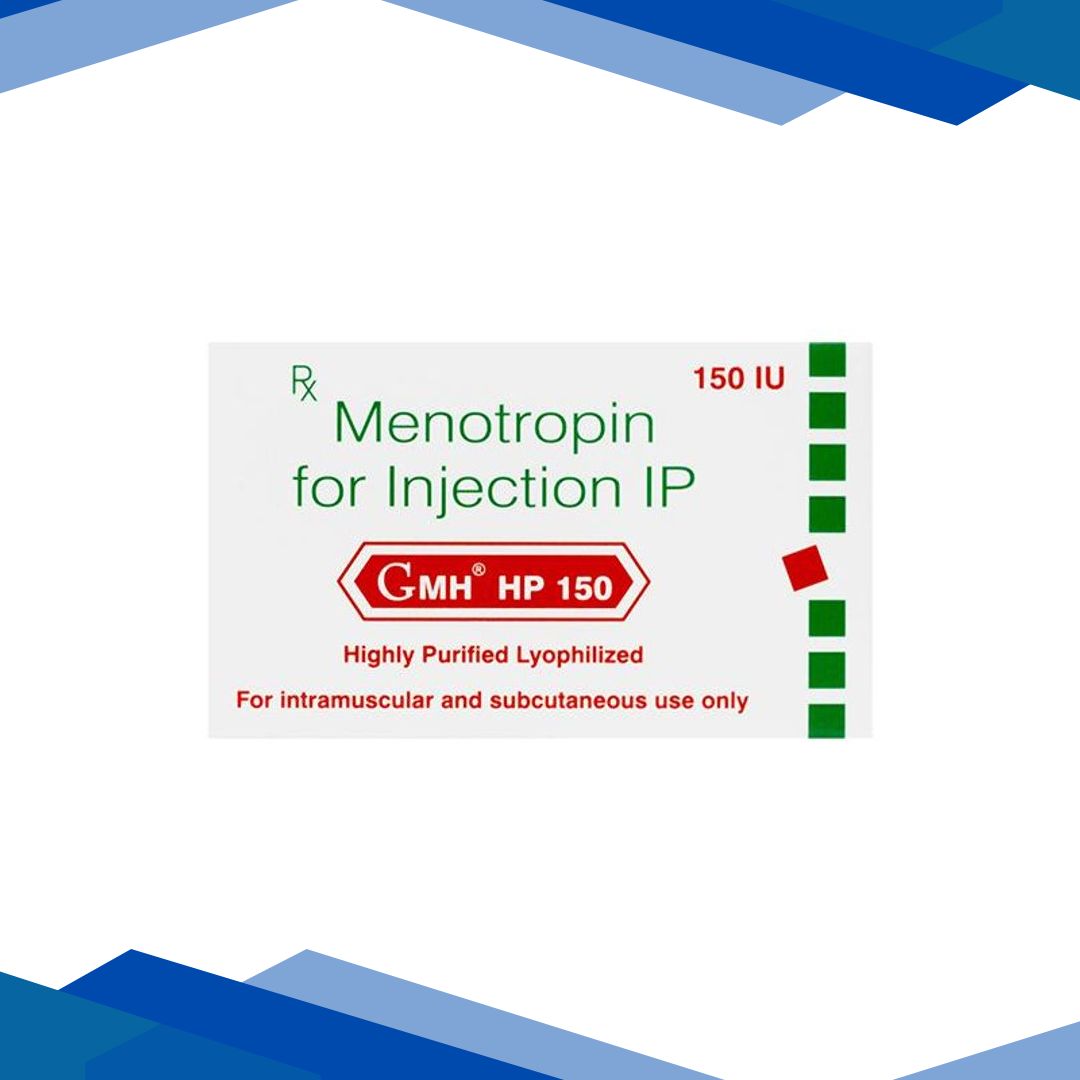
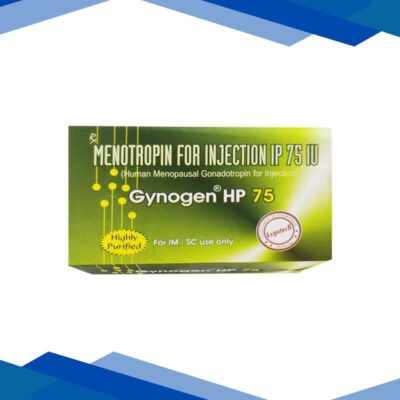
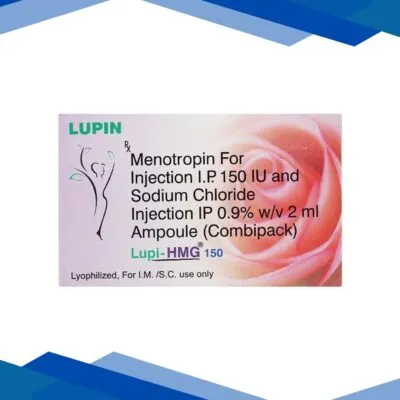
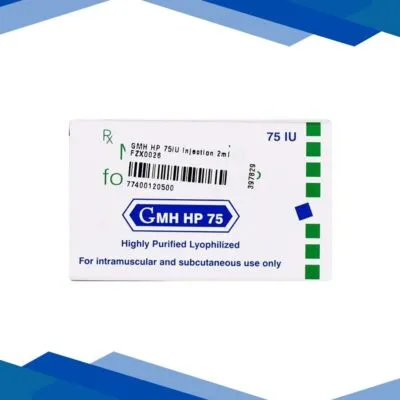
Menotrophin: Overview, Uses, and Side Effects
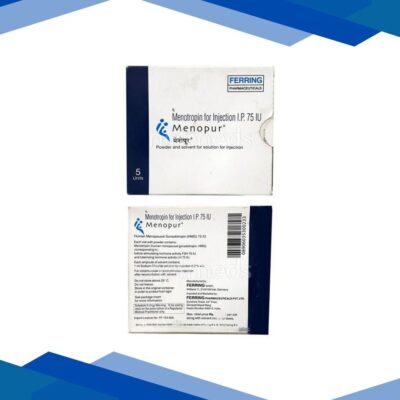
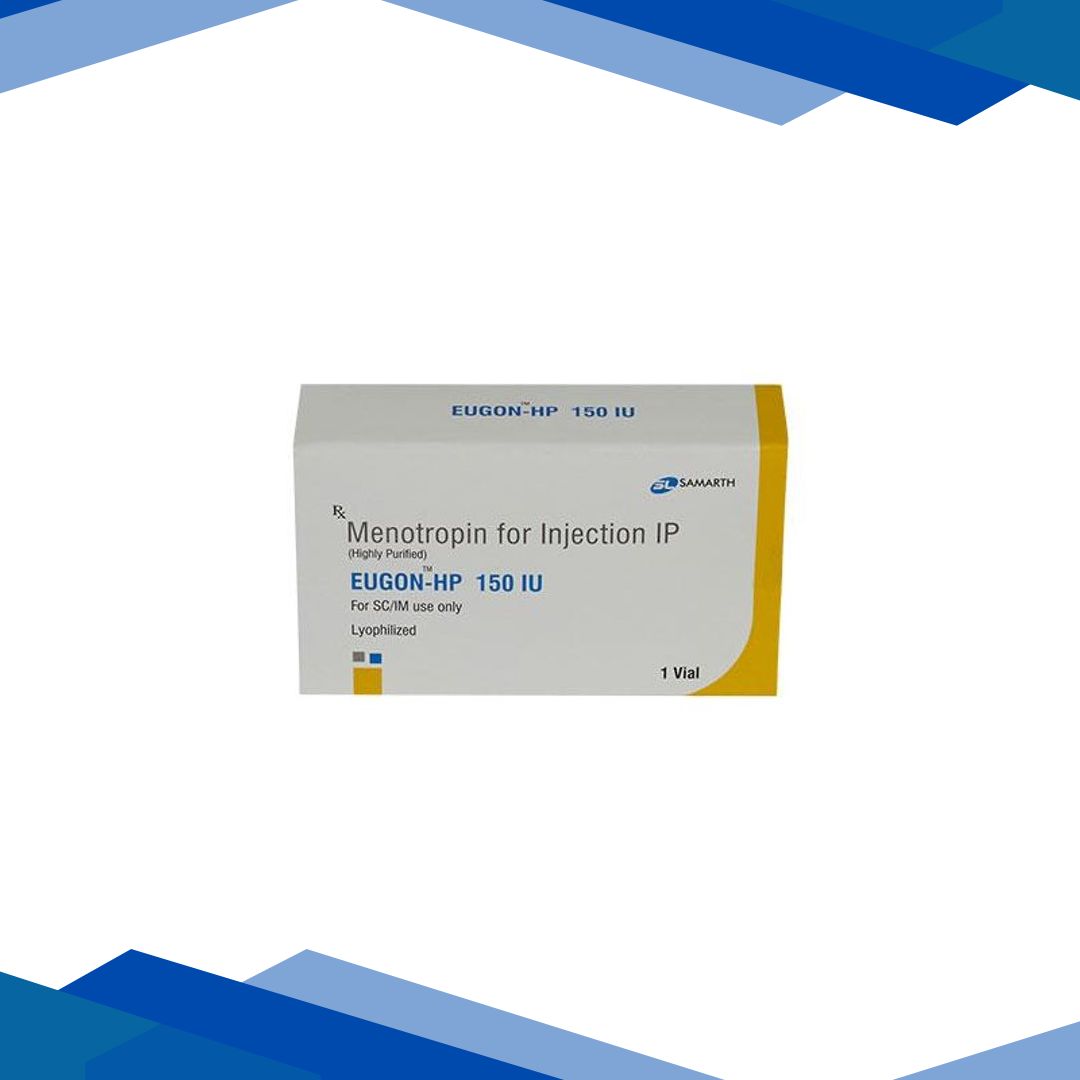
Menotrophin (also known as Human Menopausal Gonadotrophin or hMG) is a highly specialized prescription fertility medication. Extracted and purified from the urine of postmenopausal women, it naturally contains a balanced combination of two vital reproductive hormones: Follicle-Stimulating Hormone (FSH) and Luteinizing Hormone (LH).
In the human body, these hormones act as the primary biological commands for reproduction. For individuals undergoing fertility treatments, Menotrophin provides a precise hormonal boost to directly stimulate the ovaries or testes, helping kickstart the biological processes required to achieve pregnancy.
Key Benefits & Uses
Reproductive endocrinologists and fertility specialists prescribe Menotrophin for targeted treatments, including:
-
Female Infertility (Anovulation): Stimulating the ovaries to develop and mature healthy eggs in women who do not ovulate naturally, including those with conditions like Polycystic Ovary Syndrome (PCOS).
-
Assisted Reproductive Technology (ART): Triggering the development of multiple egg follicles simultaneously for procedures such as In Vitro Fertilization (IVF) or Intracytoplasmic Sperm Injection (ICSI).
-
Male Infertility (Hypogonadotropic Hypogonadism): Stimulating the production of sperm and boosting testosterone levels in men whose fertility issues stem from a hormonal deficiency in the pituitary gland.
How Menotrophin is Administered
-
Injectable Format Only: Menotrophin cannot be absorbed through the digestive tract. It is administered strictly as an injection, either subcutaneously (just under the skin, usually in the abdomen or thigh) or intramuscularly (into a muscle).
-
Strict Daily Routine: Injections are typically given once a day at the exact same time. Your fertility clinic will carefully calculate the daily dose based on your ultrasound scans and hormone levels.
-
Meticulous Monitoring: During a treatment cycle, you will visit your specialist frequently for transvaginal ultrasounds and blood tests. This allows the doctor to watch the growing follicles and adjust your dose in real time.
Safety Advice & Expert Precautions
| Category | Guidance |
| Pregnancy Check | Important: Menotrophin is used to achieve pregnancy, but it must never be administered if you are already pregnant or breastfeeding. |
| Multiple Births | Because Menotrophin stimulates multiple follicles, it naturally increases the likelihood of twins, triplets, or higher-order multiple pregnancies. |
| Existing Tumors | This medication must not be used if there is a history of tumors in the ovaries, testes, uterus, breast, hypothalamus, or pituitary gland. |
| Ovarian Cysts | It should not be used if a patient has ovarian enlargement or cysts that are not caused by Polycystic Ovary Syndrome (PCOS). |
Common Side Effects
While undergoing Menotrophin therapy, you may experience mild, temporary physical adjustments:
-
Redness, mild swelling, or bruising at the injection site
-
Headaches or temporary mood swings
-
Abdominal bloating, mild pelvic discomfort, or a feeling of heaviness
-
Breast tenderness or mild nausea
Critical Safety Warning: Contact your fertility specialist or seek emergency medical care immediately if you experience severe abdominal pain, persistent vomiting, rapid weight gain over 1 to 2 days, severe bloating, or shortness of breath. These are classic warning signs of Ovarian Hyperstimulation Syndrome (OHSS), a medical complication where the ovaries become swollen and fluid leaks into the abdomen.
Frequently Asked Questions (FAQs)
Q: How does Menotrophin differ from recombinant FSH (like Gonal-F or Follistim)?
Recombinant FSH medications are manufactured in a laboratory and contain purely Follicle-Stimulating Hormone. Menotrophin is a highly purified, naturally derived medication that delivers a mix of both FSH and LH. Certain patients respond better to a combination protocol that includes LH to help improve the quality and maturity of the developing egg follicles.
Q: Can I administer Menotrophin injections to myself at home?
Yes, many fertility clinics train patients or their partners to perform subcutaneous injections safely at home. Your healthcare team will guide you through the exact mixing instructions, needle disposal protocols, and hygienic preparation. Never attempt to self-inject until you feel completely confident in the process.
Q: What should I do if I miss an injection time?
Timing is incredibly critical during a fertility cycle. If you miss a dose or inject it several hours late, do not double the dose to catch up. Contact your fertility clinic’s emergency line immediately for explicit instructions on how to adjust your tracking schedule.
Q: How long does a typical Menotrophin treatment cycle last?
For women undergoing ovulation induction or IVF, the injection phase typically lasts between 8 to 12 days, depending on how fast your ovarian follicles grow. Once the follicles reach the optimum size, your doctor will stop the Menotrophin and administer a separate “trigger shot” (hCG) to cause the final release of the eggs.
Disclaimer: The reproductive medicine and clinical insights provided on this page are intended strictly for general educational purposes. They cannot replace a personalized, professional medical consultation, diagnosis, or treatment plan from a certified fertility specialist or endocrinologist. Always consult your doctor before beginning or modifying any reproductive therapy.