
Showing all 3 resultsSorted by popularity
Filter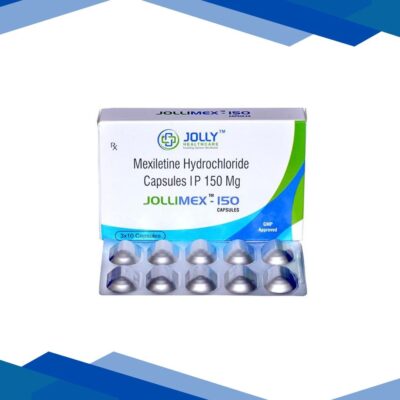
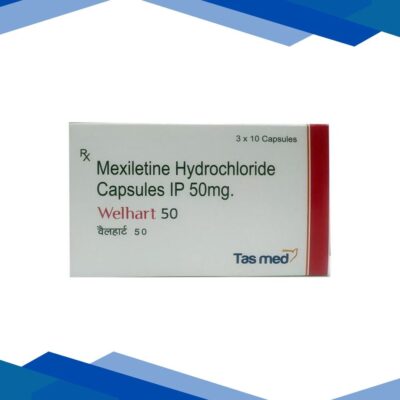
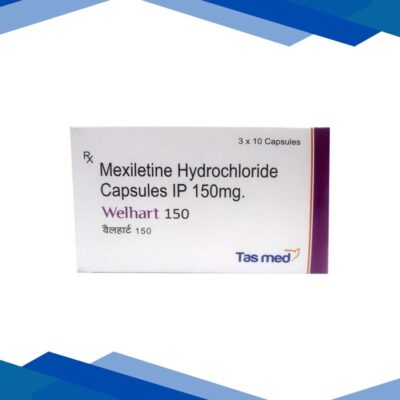
Mexiletine Hydrochloride is a specialized prescription medication belonging to the Class 1B antiarrhythmic family. It acts as a sodium channel blocker, working directly on the electrical pathways of the heart muscle.
When the heart’s electrical signals misfire, it can cause the lower chambers to beat erratically and dangerously fast. Mexiletine stabilizes these cell membranes, calming abnormal electrical impulses and restoring a steady, predictable cardiac rhythm.
Key Benefits & Uses
Cardiologists prescribe Mexiletine primarily for managing serious, symptomatic ventricular heart rhythm disturbances, including:
-
Ventricular Tachycardia (VT): Preventing recurrent episodes of a dangerously rapid heart rate originating in the ventricles.
-
Frequent Ventricular Premature Beats (VPBs): Suppressing extra, abnormal heartbeats that disrupt regular cardiac function.
-
Off-Label Neuropathic Pain Management: In specific clinical scenarios, it is sometimes used to alleviate chronic, severe nerve pain (like diabetic neuropathy) when standard treatments fail.
How to Take Mexiletine Safely
-
Take It with Food: Mexiletine is known to cause stomach upset. Always take your dose with a meal, a snack, or a full glass of milk to protect your stomach lining.
-
Maintain a Strict Schedule: To keep your heart rhythm perfectly stable, take this medication at exactly the same times every day, spaced evenly apart as directed by your cardiologist.
-
Never Skip or Double Up: Missing a dose can cause your abnormal heart rhythm to return rapidly. If you miss a dose, take it only if your next scheduled dose is several hours away. Never take a double dose to catch up.
Safety Advice & Expert Precautions
| Category | Guidance |
| Liver Health | Mexiletine is heavily processed by the liver. If you have a history of liver impairment or cirrhosis, your doctor will likely prescribe a lower, carefully monitored dose. |
| Diet & Urine pH | Sudden, drastic changes in your diet can alter the acidity of your urine, which changes how fast your body removes Mexiletine. Consult your doctor before starting extreme diets. |
| Pregnancy & Nursing | This medication should only be used during pregnancy if the vital cardiac benefit to the mother clearly outweighs the risk to the fetus. It can pass into breast milk. |
| Dizziness & Driving | Mexiletine can cause lightheadedness, blurred vision, or coordination issues. Avoid driving or operating machinery until you are certain how the medicine affects you. |
Common Side Effects
While your body adjusts to Mexiletine, you may experience temporary side effects, which are often related to the dosage:
-
Nausea, vomiting, heartburn, or general stomach discomfort
-
Dizziness, lightheadedness, or a mild headache
-
Involuntary trembling or shakiness (tremors)
-
Blurred vision or changes in coordination
-
An unusual or metallic taste in the mouth
When to seek immediate emergency care: Contact your healthcare provider or emergency services immediately if you experience a sudden worsening of an irregular heartbeat, chest pain, shortness of breath, a sudden fainting spell, or yellowing of your skin or eyes (jaundice).
Frequently Asked Questions (FAQs)
Q: Is Mexiletine the same thing as Lidocaine?
They are very closely related. Lidocaine is a well-known intravenous (IV) antiarrhythmic and local anesthetic, but it cannot be taken by mouth. Mexiletine was chemically developed to act like an “oral lidocaine,” allowing patients to receive the same heart-stabilizing benefits in a convenient capsule form at home.
Q: Why do I need regular blood tests while taking Mexiletine?
Your doctor will order periodic blood tests to monitor your liver function and check the exact level of Mexiletine in your bloodstream. Because the window between an effective dose and a toxic dose can be narrow, these tests ensure your dosage remains perfectly safe and effective.
Q: Can I take over-the-counter cold medicines with Mexiletine?
You must always consult your doctor or pharmacist first. Many over-the-counter cough, cold, and allergy medications contain decongestants (like pseudoephedrine or phenylephrine) that naturally raise your heart rate or blood pressure, which can counteract Mexiletine or trigger dangerous arrhythmias.
Q: Will Mexiletine cure my heart rhythm problem permanently?
No. Mexiletine controls and suppresses abnormal heart rhythms, but it does not cure the underlying cardiac condition. If you feel entirely healthy and your symptoms have disappeared, it means the medicine is doing its job. Stopping the drug abruptly can cause your irregular heartbeat to return instantly.
Disclaimer: The cardiovascular and clinical insights provided on this page are strictly for general educational purposes. They cannot replace a professional medical consultation, diagnosis, or customized treatment plan from a certified cardiologist. Always speak directly with your doctor before modifying any prescription routine.