
Showing the single result
Filter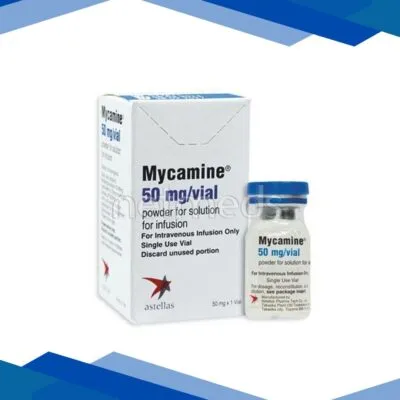
Micafungin
Micafungin is an advanced, high-potency prescription antifungal medication belonging to the echinocandin class. Unlike common over-the-counter creams or tablets, Micafungin is an intravenous (IV) medication designed to treat deep-seated, severe fungal infections inside the body.
It works via a highly targeted mechanism: it inhibits the synthesis of glucan, a critical component of the fungal cell wall. Without a stable cell wall, the fungal cell bursts and dies. Because human cells do not contain glucan, Micafungin is able to aggressively target the infection while remaining exceptionally safe for the patient’s healthy tissues.
Key Benefits & Uses
Healthcare professionals administer Micafungin in hospital or clinical settings to treat and prevent serious infections, including:
-
Invasive Candidiasis: Treating severe, systemic yeast infections that have entered the bloodstream, deep tissues, or major organs.
-
Esophageal Candidiasis: Managing painful, deep fungal infections of the esophagus (the food pipe) in patients struggling with weakened immune systems.
-
Stem Cell Transplant Prophylaxis: Preventing dangerous fungal infections in patients undergoing hematopoietic stem cell transplants who are highly vulnerable due to temporary immune suppression.
How Micafungin is Administered
-
Intravenous Infusion Only: Micafungin cannot be absorbed through the stomach and is therefore never given as an oral pill. It is delivered via a slow intravenous drip directly into a vein by a qualified nurse or doctor.
-
Daily Schedule: The infusion is typically administered once a day. The exact duration of your treatment cycle will depend heavily on how quickly your body clears the infection.
-
Continuous Monitoring: While receiving the drip, medical staff will routinely check your vital signs (such as blood pressure and heart rate) to ensure your body tolerates the medication smoothly.
Safety Advice & Hospital Precautions
| Category | Guidance |
| Liver Function | Micafungin can occasionally alter liver enzymes. Your medical team will run routine blood tests to closely monitor your liver health throughout your treatment. |
| Pregnancy & Nursing | Inform your physician immediately if you are pregnant or breastfeeding. Micafungin is only used during pregnancy if the critical health benefit to the mother clearly outweighs the potential risk to the fetus. |
| Kidney Health | Unlike older generation antifungals, Micafungin is generally gentle on the kidneys, but healthcare providers will still track kidney function as a standard safety measure. |
| Drug Interactions | Micafungin can interact with specific medications like sirolimus, nifedipine, or cyclosporine. Ensure your doctor has a complete list of your ongoing prescriptions. |
Common Side Effects
Most patients tolerate Micafungin infusions remarkably well. However, some mild to moderate side effects can occur:
-
Nausea, vomiting, or a mild stomach ache
-
Mild diarrhea or a temporary headache
-
A slight rash or itching at the injection site
-
Altered liver function markers (detected via standard hospital blood draws)
When to notify medical staff immediately: Tell your nurse or doctor right away if you experience sudden dizziness, a warm flushing sensation, a rapid heartbeat, or breathing difficulties during or immediately after your infusion. These can be signs of an infusion reaction.
Frequently Asked Questions (FAQs)
Q: Why can’t I just take Micafungin as an oral capsule at home?
The chemical structure of Micafungin is too large and fragile to survive the harsh acid of the human digestive tract; your stomach would break it down completely before it could reach your bloodstream. Delivering it through an IV ensures that 100% of the active medicine immediately starts fighting the infection inside your body.
Q: How fast does Micafungin start working against the infection?
Because it is delivered directly into your bloodstream, Micafungin begins targeting fungal cells immediately. While it starts working on a cellular level within hours, visible clinical improvements (like a dropping fever or reduced pain) typically take a few days to manifest.
Q: Is Micafungin an antibiotic? Can it treat a bacterial infection?
No. Micafungin is strictly an antifungal medication. It is highly specialized to kill fungal organisms and yeasts like Candida. It has absolutely no effect against viruses or bacterial infections.
Q: What happens if I miss a scheduled infusion dose?
Because this medication is managed by healthcare professionals in a clinical setting, missing a dose is highly unlikely. However, if an infusion is delayed, the medical staff will adjust the schedule to safely deliver the dose as soon as possible to maintain a consistent level of the drug in your system.
Disclaimer: The clinical and pharmacological information provided on this page is intended strictly for general educational purposes. It must not be used as a substitute for direct professional medical advice, hospital protocol, or clinical diagnosis. Always consult a certified healthcare practitioner or infectious disease specialist regarding your treatment plan.