
Showing 1–20 of 88 resultsSorted by popularity
Filter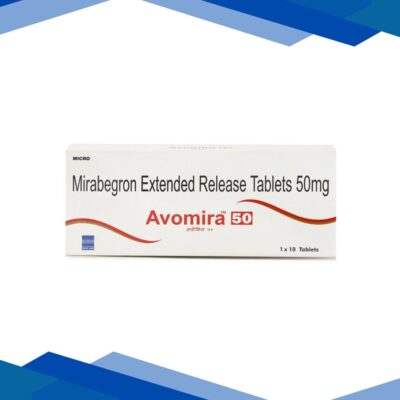
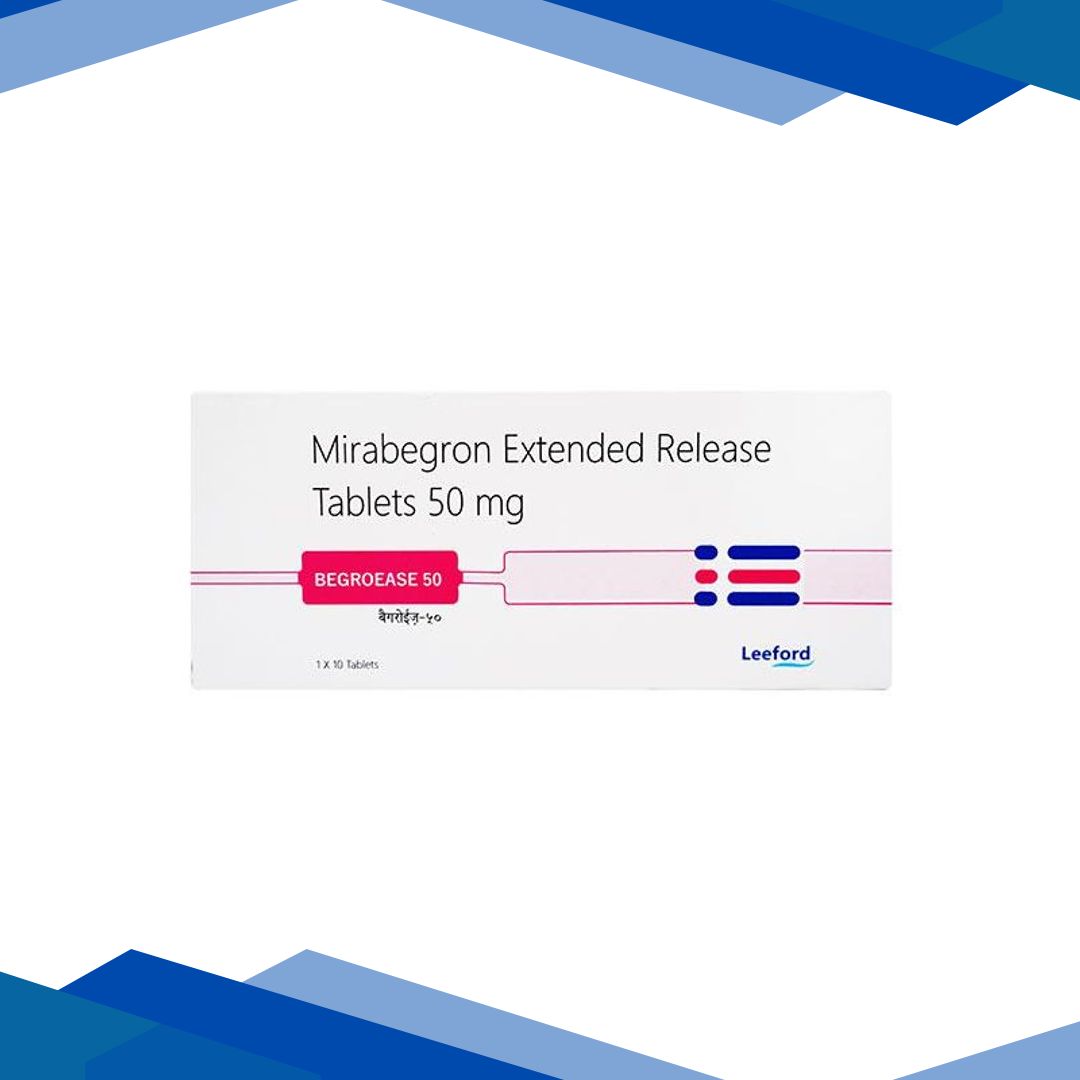
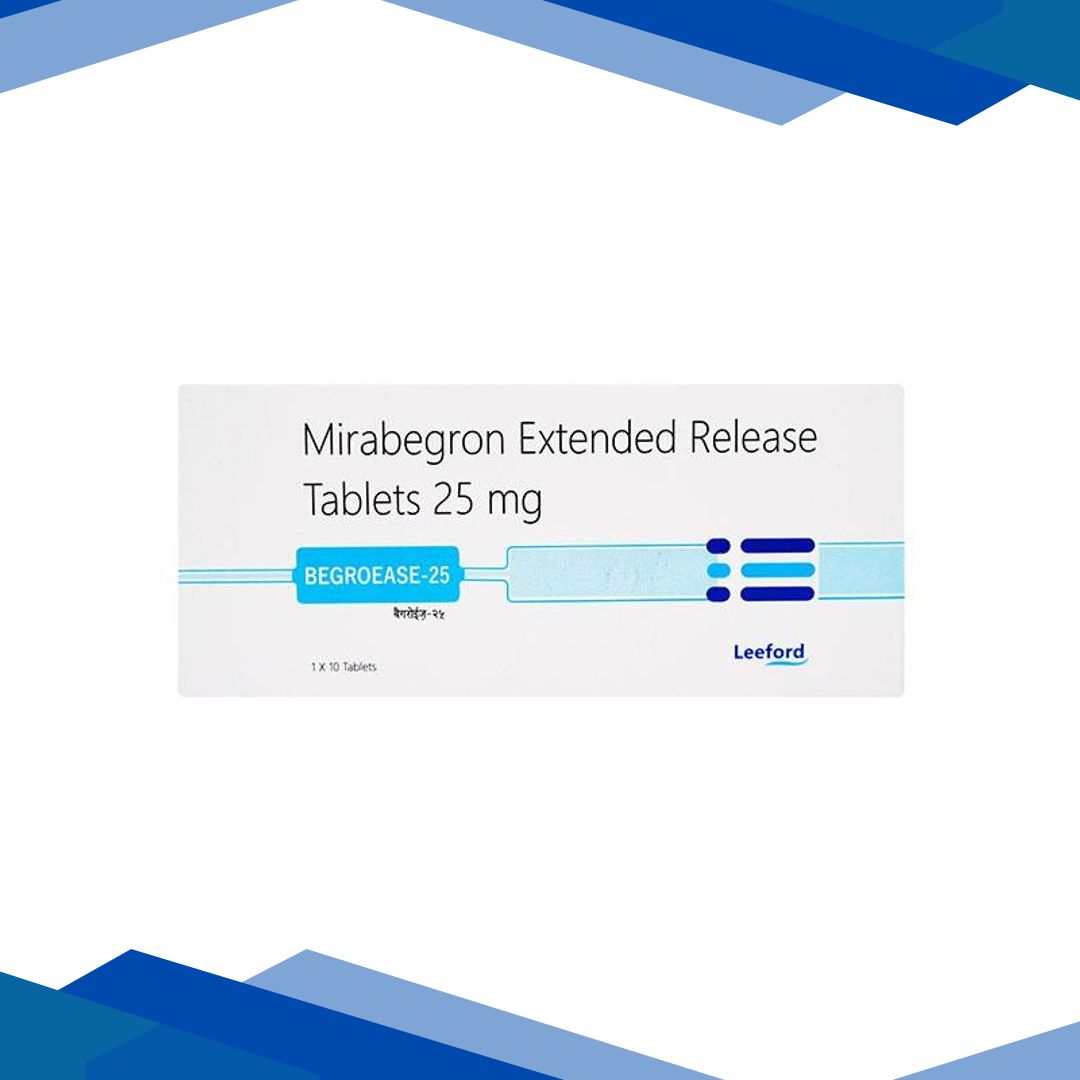
BEGROEASE S 25 Tablet 10’s
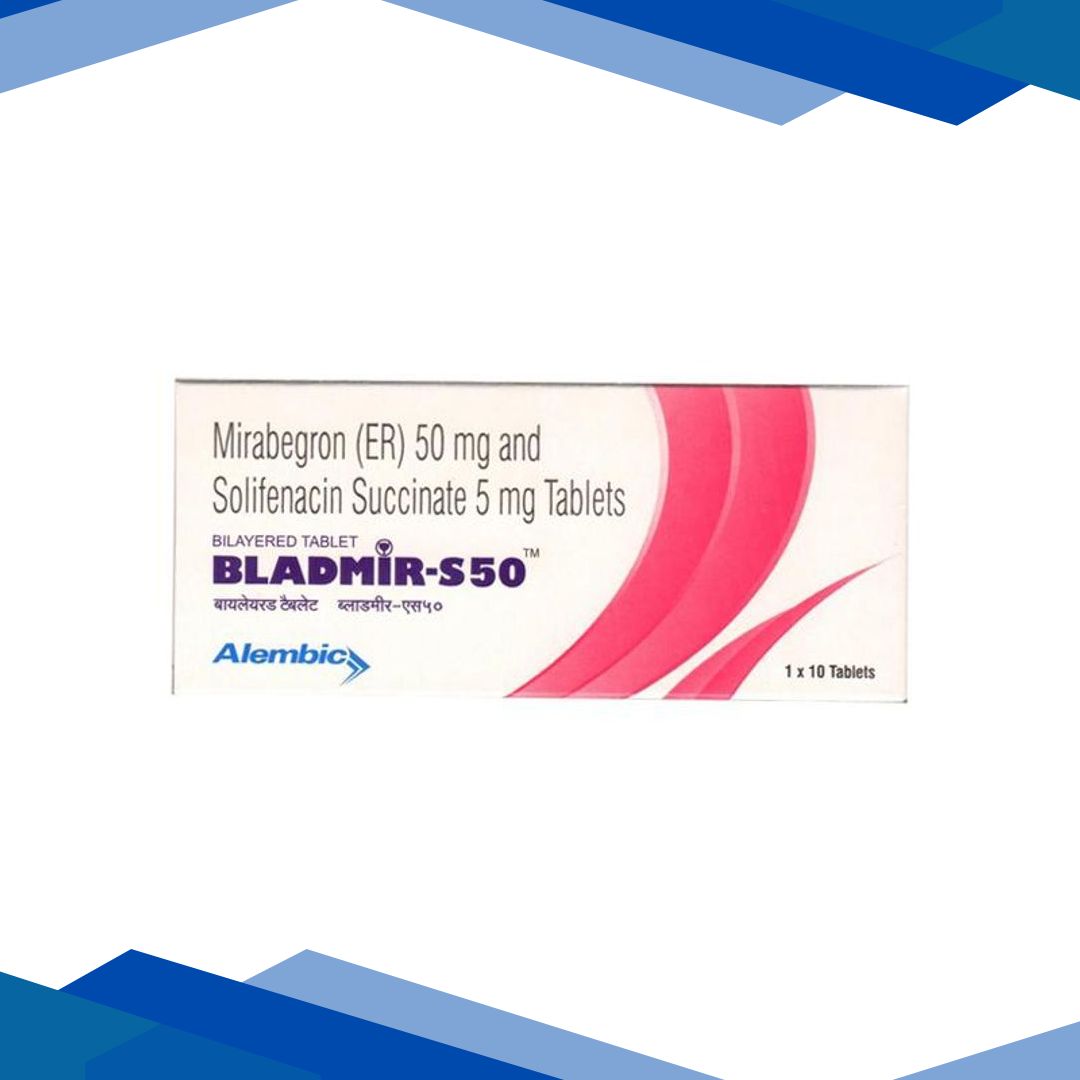
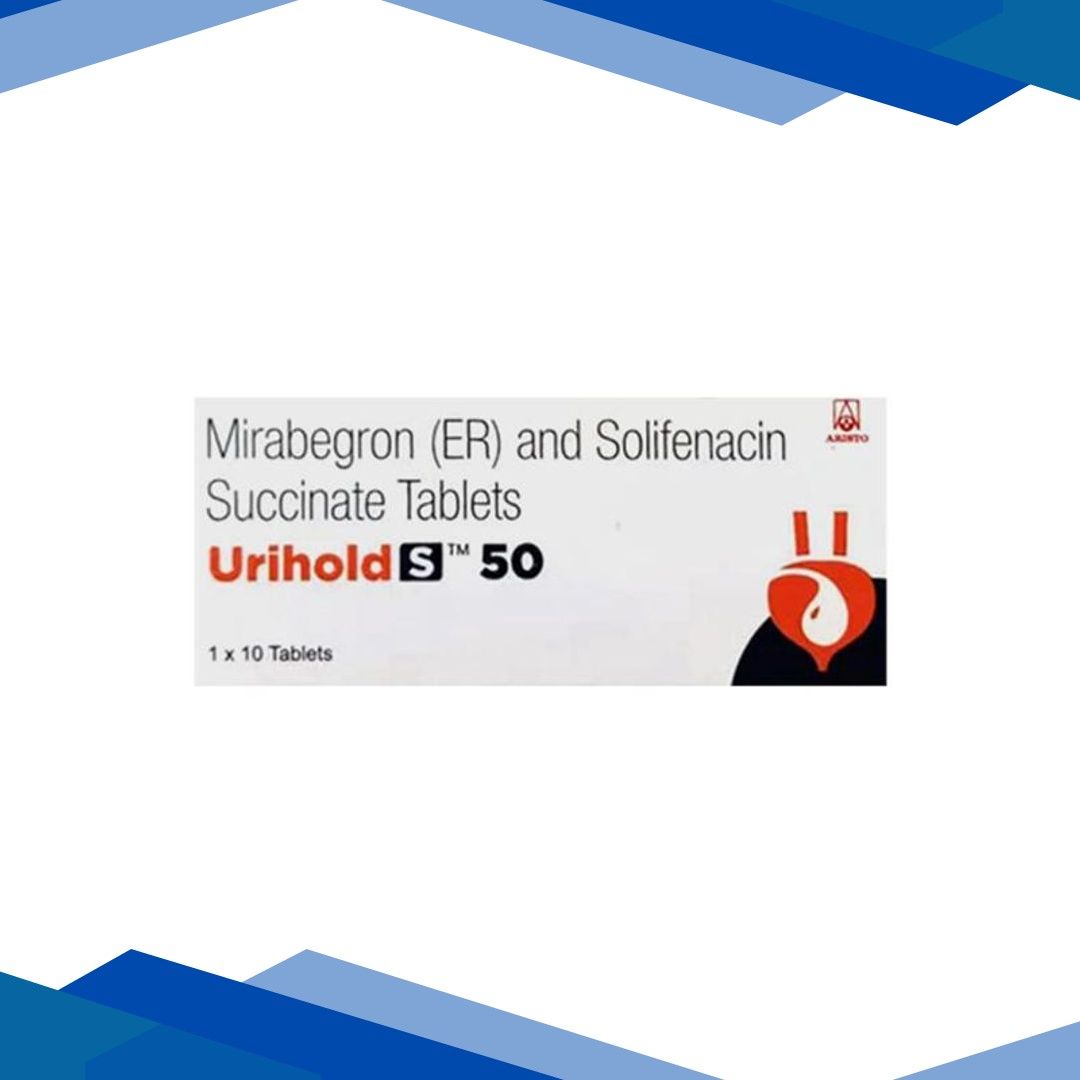
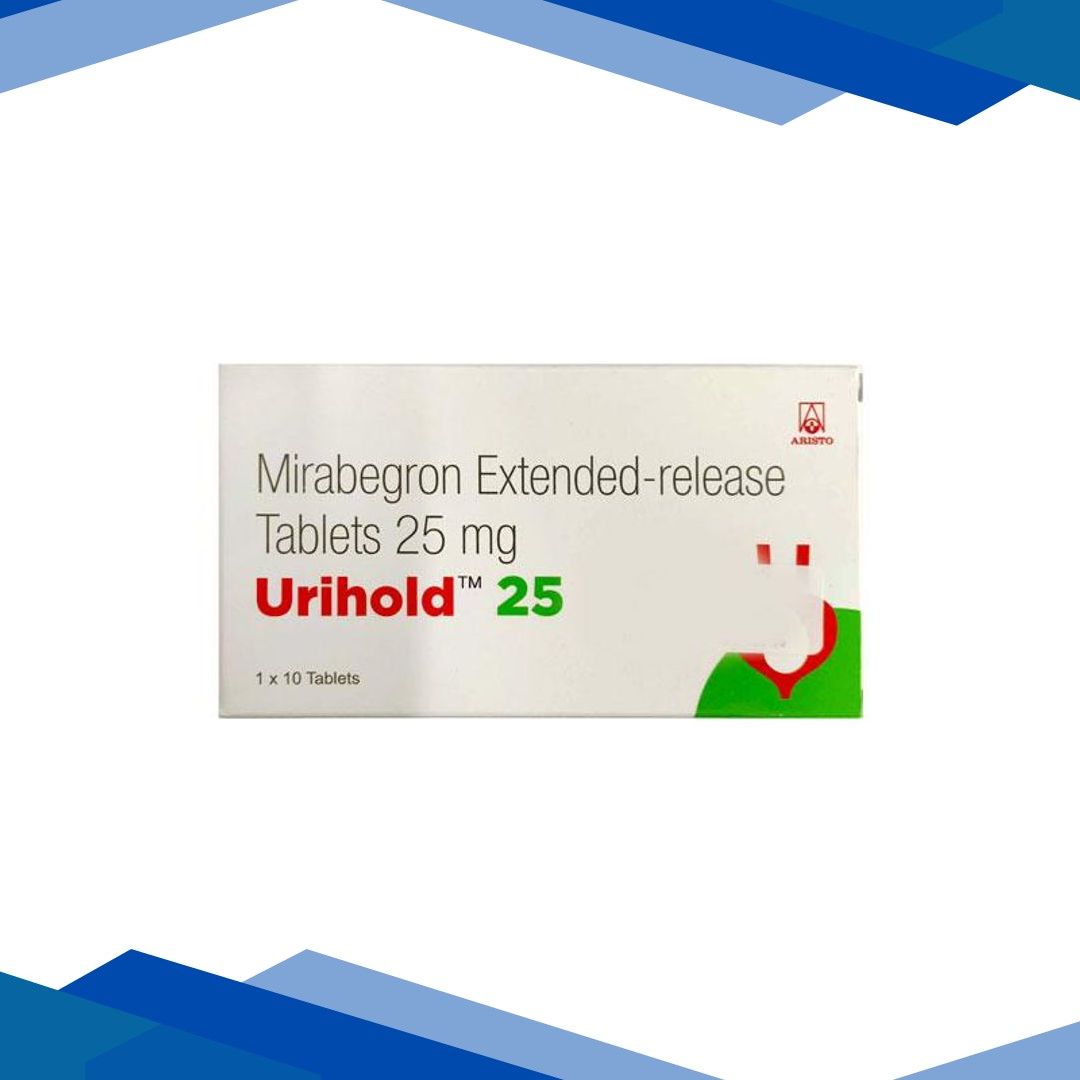
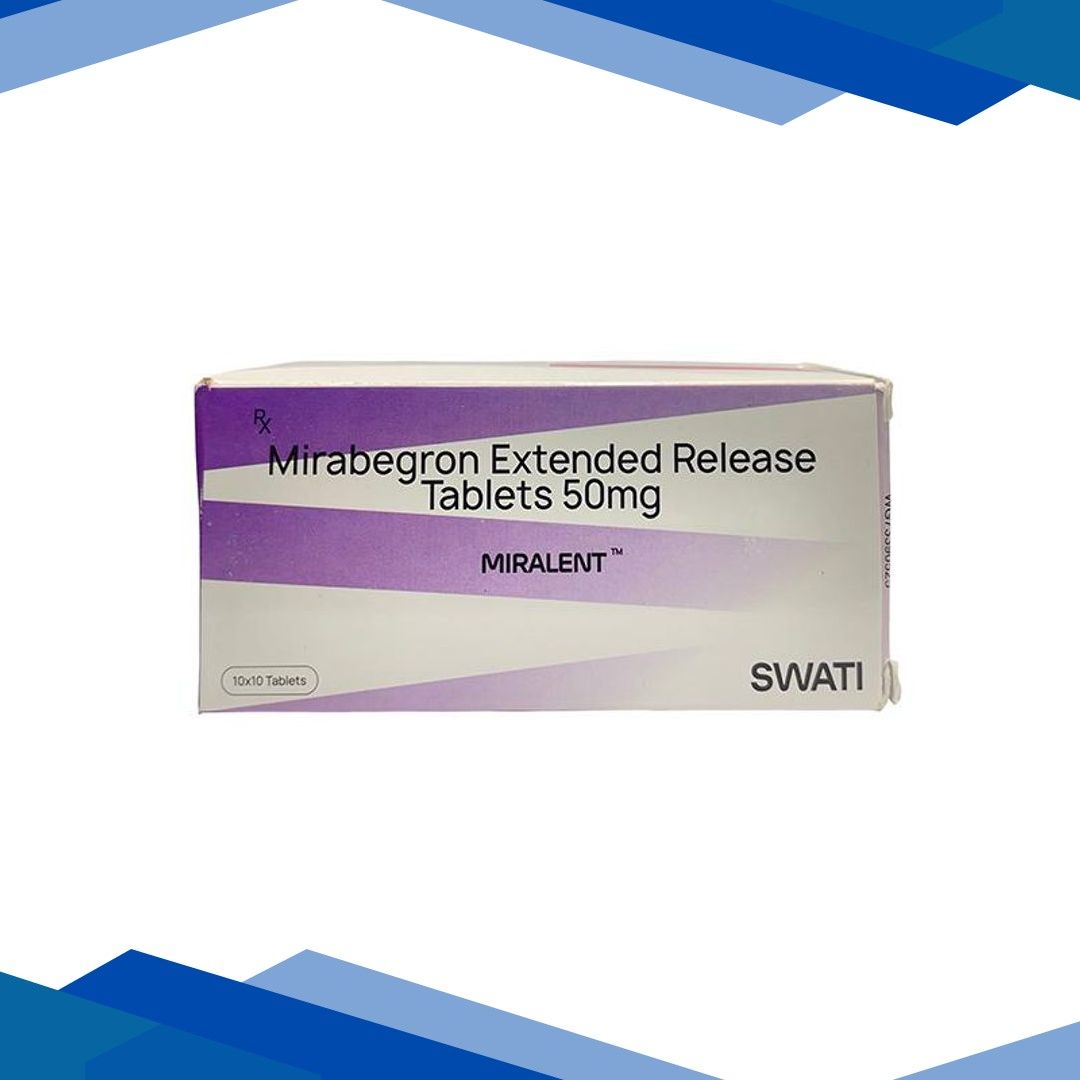
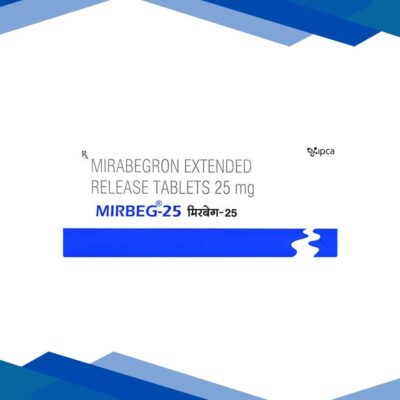
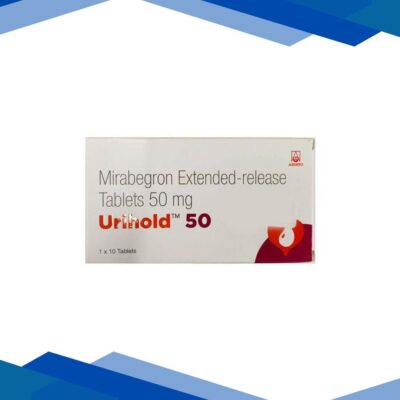
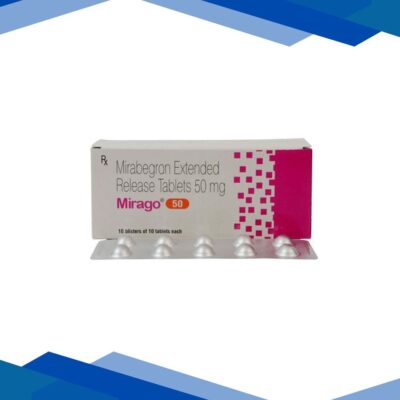
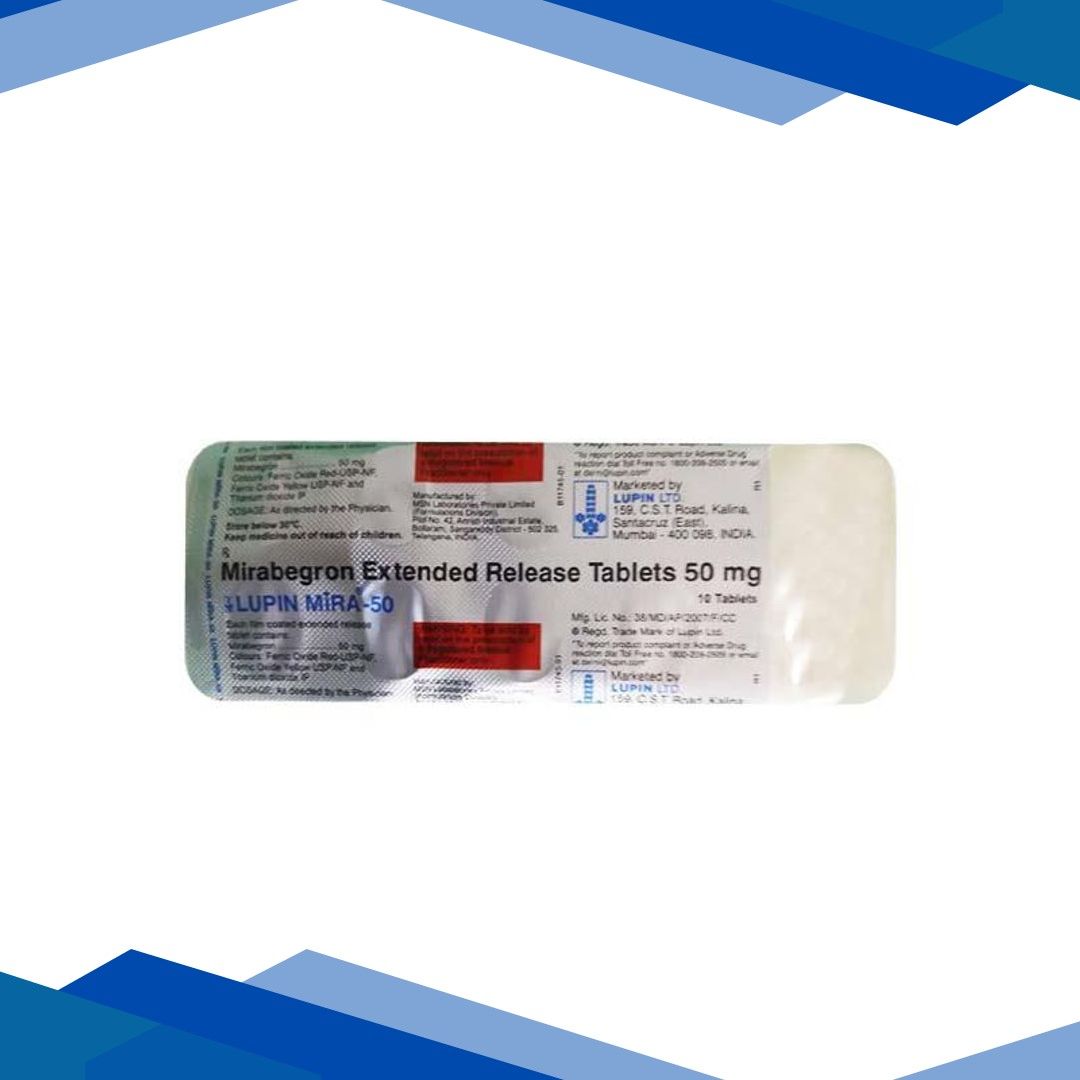
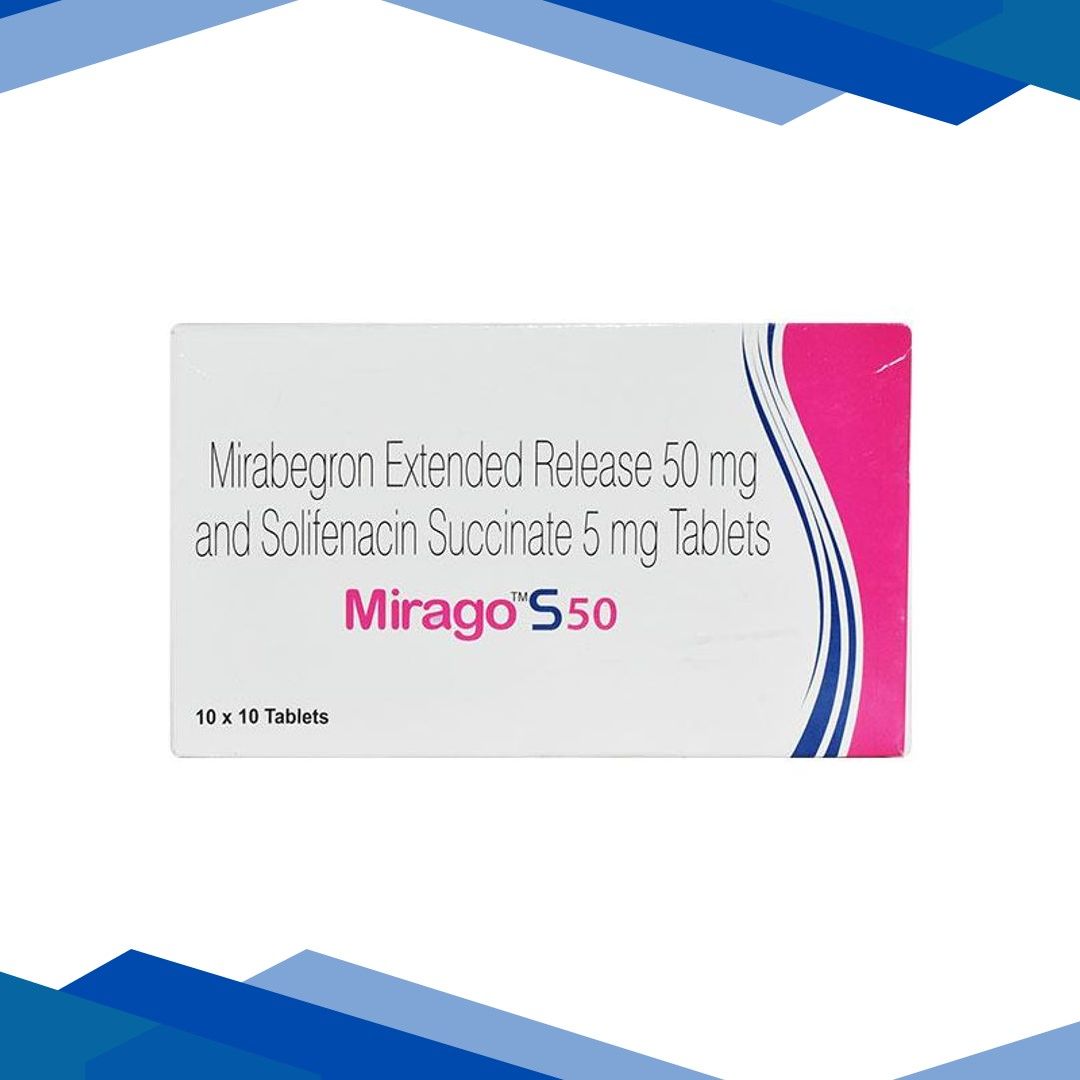
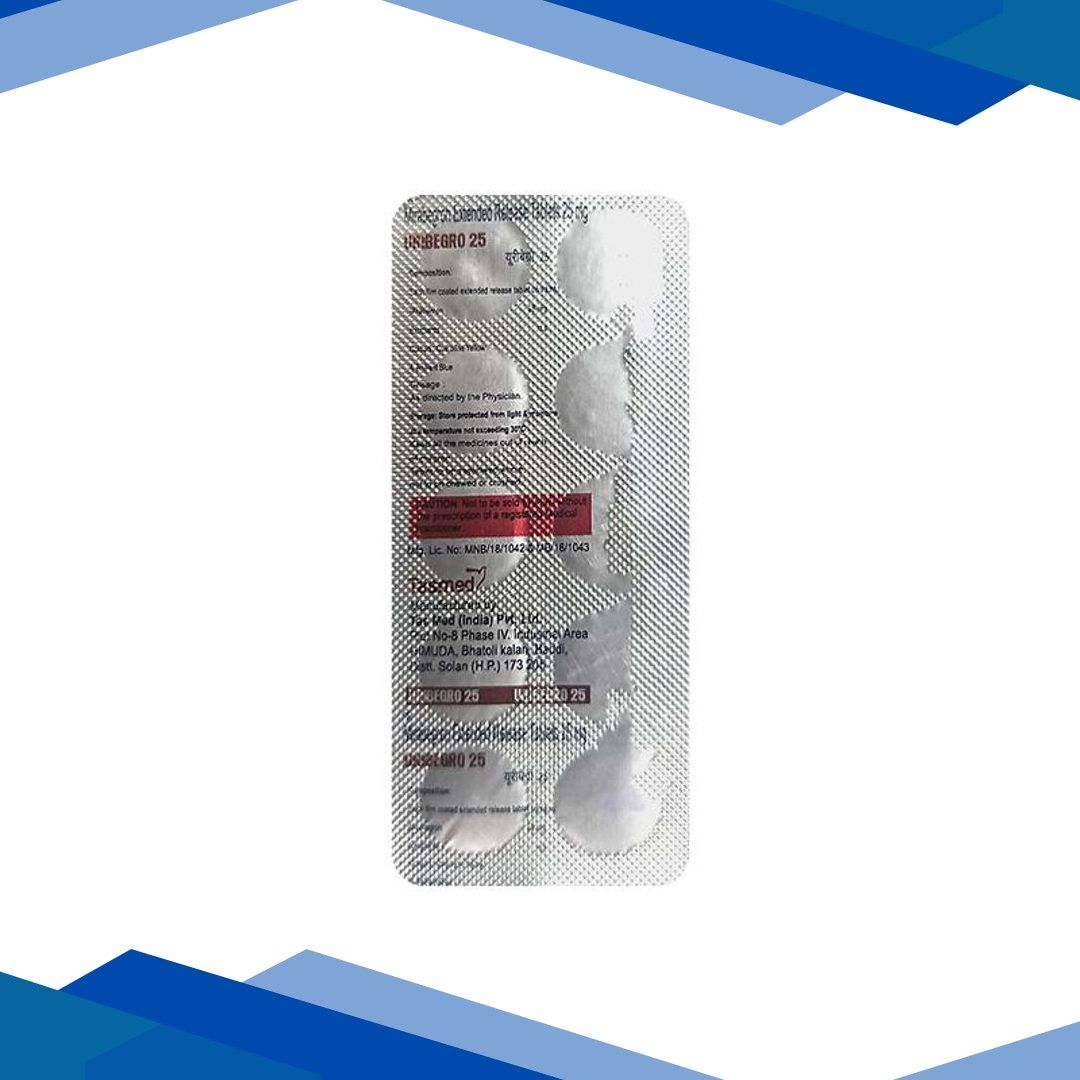
Mirabegron: Overview, Uses, and Side Effects
Mirabegron is a modern prescription medication specifically designed to help manage the disruptive symptoms of an overactive bladder (OAB). It belongs to a class of drugs known as beta-3 adrenergic receptor agonists.
Dealing with a sudden, uncontrollable urge to rush to the bathroom can significantly impact your daily routine. Mirabegron works by directly targeting and relaxing the detrusor muscle in the bladder wall as it fills with urine. This relaxation increases the overall capacity of your bladder, giving you better control and reducing the panic of frequent bathroom trips.
Key Benefits & Uses
Doctors prescribe Mirabegron to treat adult patients experiencing issues with bladder control, specifically targeting:
-
Urinary Urgency: The sudden, compelling need to urinate that is difficult to delay.
-
Urge Urinary Incontinence: Accidental urine leakage or slipping before you can reach a restroom.
-
Urinary Frequency: The need to urinate much more often than normal (typically 8 or more times within a 24-hour period).
How to Take Mirabegron Properly
-
Swallow It Whole: Mirabegron is usually formulated as an extended-release tablet. It is vital to swallow the tablet whole with a glass of water. Never crush, split, break, or chew the tablet, as doing so destroys the slow-release mechanism and releases too much medicine at once.
-
Food Rules: You can take this medication either with food or on an empty stomach. However, consistency is key—try to take it the same way and at the exact same time every day.
-
Give It Time: Do not expect immediate results on day one. While some people notice a slight improvement within a couple of weeks, it generally takes around 4 to 8 weeks of regular use to feel the full therapeutic benefits of the drug.
Safety Advice & Expert Precautions
| Category | Guidance |
| Blood Pressure | Crucial Monitoring. Mirabegron can increase your blood pressure. If you have severe, uncontrolled high blood pressure, inform your doctor before starting this medication. |
| Alcohol Intake | While alcohol does not directly react with the molecule, it is a known bladder irritant. Drinking alcohol can actively worsen your urinary urgency and frequency. |
| Pregnancy & Lactation | There is limited clinical data on the safety of Mirabegron in pregnant or nursing mothers. Consult your obstetrician to weigh the necessity against potential risks. |
| Liver & Kidney Health | Dose adjustments may be necessary if you have a history of moderate to severe kidney or liver disease. Your doctor will determine the safest strength for you. |
Common Side Effects
Most individuals tolerate Mirabegron quite well, especially compared to older bladder medications. However, some minor side effects can occur:
-
A mild increase in blood pressure
-
Headaches or dizziness
-
Common cold-like symptoms (nasopharyngitis) such as a stuffy or runny nose
-
Urinary tract infections (UTIs), which may present as a mild burning sensation during urination
-
Constipation or dry mouth (though much less frequent than with older alternative treatments)
When to seek immediate help: Contact your healthcare provider right away if you experience an inability to empty your bladder at all (urinary retention), a sudden painful rash, or severe dizziness.
Frequently Asked Questions (FAQs)
Q: How is Mirabegron different from older overactive bladder medicines?
Older conventional medications for OAB belong to a drug class called anticholinergics (like oxybutynin or tolterodine). While effective, they frequently cause highly uncomfortable side effects like severe dry mouth, blurred vision, and heavy constipation. Mirabegron works via a completely different pathway (beta-3 receptors), offering bladder relaxation with a significantly lower chance of causing those specific issues.
Q: Can I stop taking Mirabegron once my bathroom habits return to normal?
No, you should not stop taking this medication without talking to your doctor first. Mirabegron manages and controls the symptoms of an overactive bladder, but it does not permanently cure the underlying muscle sensitivity. If you stop taking your daily tablet, your sudden urges and frequent bathroom trips will likely return.
Q: What should I do if I forget to take my daily tablet?
If you miss a dose, take it as soon as you remember, provided your next regular dose isn’t less than 12 hours away. If it is almost time for your next scheduled dose, skip the missed one entirely and continue with your regular tracking. Never take two tablets at once to compensate for a missed day.
Q: Will Mirabegron treat a bladder or urinary tract infection (UTI)?
No. Mirabegron is strictly a muscle relaxant for the bladder wall; it is not an antibiotic. If your frequent or urgent urination is accompanied by pain, burning, cloudiness, or a fever, you likely have an active infection that requires separate antibiotic therapy from your doctor.
Disclaimer: The medical information provided on this page is meant strictly for general educational purposes and should never be treated as a direct substitute for professional medical advice, clinical diagnosis, or treatment. Always consult a certified physician or urologist regarding any health concerns or before starting a new medication regimen.